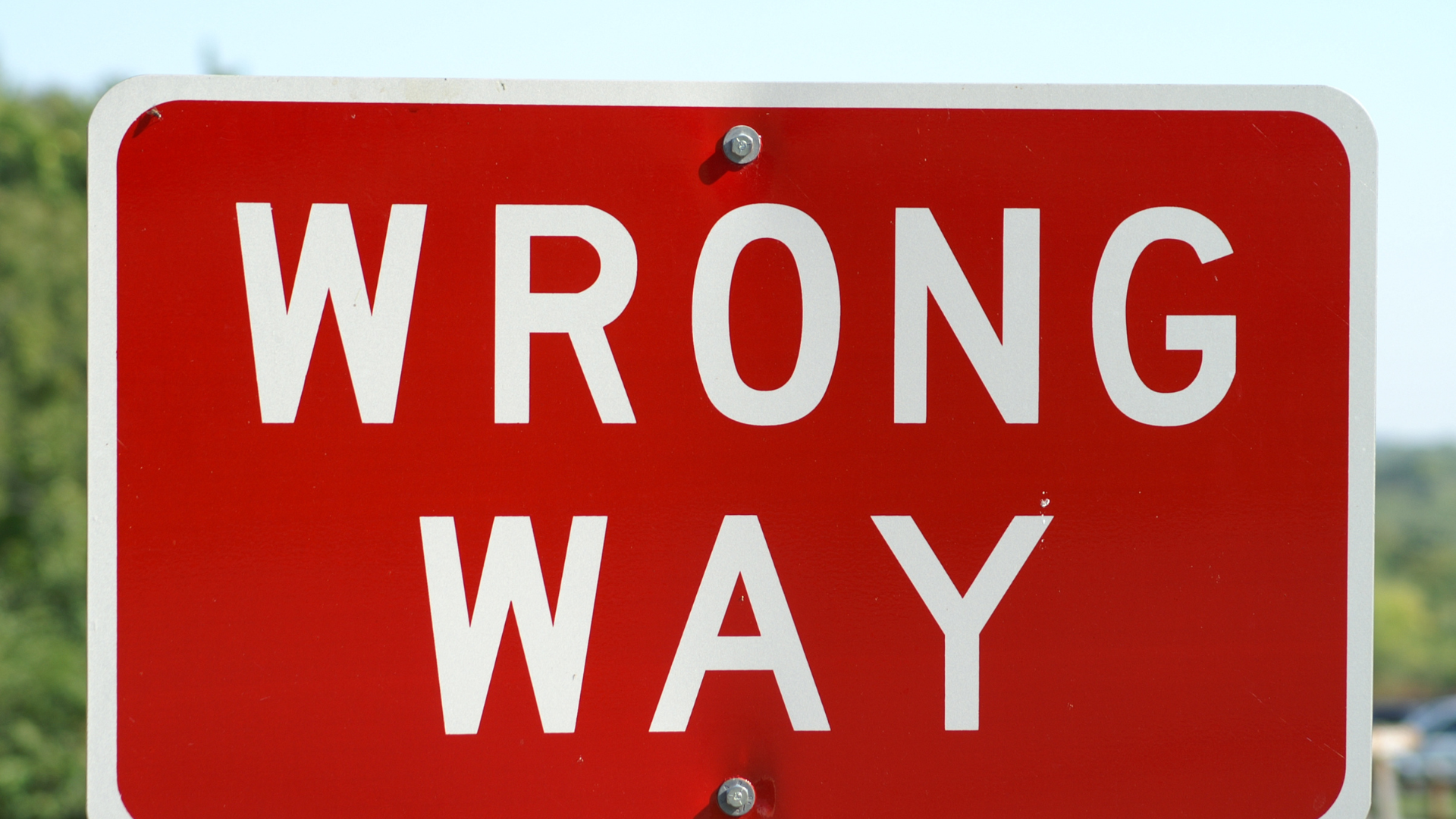
A 27-year-old woman has been taken into custody in connection with a deadly wrong-way crash on the Grand Parkway that killed three members of a family and critically injured a child, according to Fox 26. Deputies responded to the crash around 2 a.m. last Saturday on SH-99, where a family of four traveling northbound was struck by a vehicle allegedly driving the wrong way in the northbound lanes. The woman was charged with intoxication manslaughter, enhanced to a first-degree felony, and one count of intoxication assault. Her bond was set at $1.05 million.
This tragic incident underscores the irreversible harm that can result when impaired drivers get behind the wheel. Wrong-way crashes involving alcohol often happen in an instant, yet their consequences can devastate entire families forever. When innocent lives are lost and children are left injured, the pain and questions that follow can be overwhelming. At Lassiter Law, we recognize how difficult it is for families to navigate the aftermath of a fatal crash caused by intoxicated driving. Our team is committed to helping families seek accountability, understand their legal options, and pursue justice for their loved ones. If you or someone you love has been impacted by a deadly crash involving drunk driving, give us a call today at (832) 937-4381.
How an Attorney Can Help After a Fort Bend County Wrong-Way Crash
After a Fort Bend County wrong-way crash, having an experienced legal team like Lassiter Law on your side can make a critical difference in protecting your rights and pursuing justice. These cases often involve complex investigations, serious injuries, or loss of life, and insurance companies may move quickly to limit their liability. At Lassiter Law, we understand how devastating wrong-way collisions can be for victims and their families, and our attorneys work aggressively to investigate the crash, gather evidence, consult with experts, and identify all responsible parties.
An attorney can also handle communication with insurers, calculate the full extent of damages, and pursue compensation for medical expenses, lost income, pain and suffering, and wrongful death damages when applicable. At Lassiter Law, we take the legal burden off families so they can focus on healing. Our firm is committed to accountability and compassionate representation, standing up for victims harmed by negligent and impaired drivers. By building strong cases supported by thorough investigations and expert insight, we work to ensure our clients’ voices are heard and their losses are fully recognized under the law.
Why Fort Bend County Wrong-Way Crash Cases Are Often More Complex
Fort Bend County wrong-way crash cases are often far more complex than typical car accident claims. These collisions frequently involve severe injuries or fatalities, which increases legal and financial stakes. Determining how and why a driver entered the wrong direction of traffic requires detailed investigation. Multiple legal, factual, and procedural issues often arise.
Severe Injuries and Fatal Outcomes
Wrong-way crashes commonly result in head-on collisions at high speeds. These impacts frequently cause catastrophic injuries or loss of life. Severe outcomes increase insurance exposure and intensify disputes over fault and damages. Insurance companies often respond aggressively to limit payouts.
Higher Financial and Legal Stakes
Catastrophic injuries and fatalities significantly increase potential compensation amounts. Higher stakes often lead to prolonged investigations and contested claims. Insurers may challenge medical findings or damage calculations. Legal representation becomes critical in navigating these disputes.
Disputed Liability and Fault
Liability in a Fort Bend County wrong-way crash is not always straightforward. Questions may arise about roadway design, signage, or driver impairment. Multiple parties may share responsibility for the collision. Determining fault requires careful evidence analysis.
Contributing Factors Beyond the Driver
Poor lighting, confusing ramps, or missing signs may contribute to wrong-way driving. Alcohol impairment is common but not always the only cause. Vehicle defects or navigation system errors may also play a role. Each factor must be thoroughly examined.
Multiple Potentially Liable Parties
Wrong-way crash cases often involve more than one liable party. Drivers, vehicle owners, employers, or government entities may share responsibility. Identifying all responsible parties is essential for full compensation. Overlooking a party can limit recovery options.
Complex Insurance Coverage Issues
Multiple insurance policies may apply in severe wrong-way crashes. Coverage limits, exclusions, and policy stacking can complicate claims. Commercial or government policies add further complexity. Attorneys review policies carefully to maximize available coverage.
Criminal and Civil Proceedings Occurring Together
Wrong-way crashes frequently result in criminal charges against the at-fault driver. Criminal investigations can affect the timing and strategy of civil claims. Evidence from criminal cases may support civil liability. Coordination between proceedings requires careful legal planning.
Impact of Criminal Charges on Civil Claims
Criminal convictions can strengthen civil cases but are not guaranteed. Civil claims proceed under different legal standards. Attorneys must manage overlapping timelines and evidence use. Strategic handling helps protect civil recovery.
Intensive Evidence Requirements
Proving a wrong-way crash claim often requires extensive evidence collection. Video footage, toxicology reports, and accident reconstruction are commonly needed. Evidence may come from multiple agencies or sources. Gathering and preserving this evidence takes time and experience.
Technical and Expert Testimony
Expert witnesses are frequently required to explain crash dynamics and causation. Medical experts may testify about injury severity and prognosis. Economic experts often calculate long-term financial losses. Coordinating expert testimony adds complexity to these cases.
Strict Legal and Procedural Requirements
Claims involving fatalities or government entities involve strict deadlines and notice requirements. Missing a procedural step can jeopardize the entire claim. Texas laws impose specific rules for wrongful death and governmental liability cases. Legal guidance ensures compliance at every stage.
Navigating Legal Deadlines and Filing Rules
Wrong-way crash cases often involve overlapping legal timelines. Different claims may have different filing requirements. Attorneys track and manage all deadlines carefully. Proper handling preserves the right to pursue compensation.

Injuries Commonly Seen in a Fort Bend County Wrong-Way Crash
Wrong-way crashes often involve high speeds and direct head-on impacts, which greatly increase injury severity. Victims are frequently exposed to intense forces that the human body cannot withstand. As a result, many people suffer multiple traumatic injuries requiring emergency care and long-term treatment. Recovery can take months or years and may permanently alter a victim’s life.
Traumatic Brain Injuries
A Fort Bend County wrong-way crash commonly causes traumatic brain injuries due to sudden deceleration and violent head movement. These injuries can occur even when airbags deploy and seatbelts are properly worn. Victims may experience confusion, memory loss, headaches, or changes in mood and behavior. Symptoms may worsen over time without proper diagnosis and treatment.
Long-Term Effects of Brain Injuries
Brain injuries often require ongoing medical care, therapy, and neurological monitoring. Some victims struggle with concentration, decision-making, or emotional regulation long after the crash. These challenges can interfere with employment, relationships, and daily independence. Long-term effects may also place significant strain on families and caregivers.
Spinal Cord and Back Injuries
The force of a wrong-way collision places extreme pressure on the spine and surrounding structures. Victims may suffer herniated discs, fractured vertebrae, or damage to the spinal cord. Even less severe back injuries can cause chronic pain and limited mobility. Many victims require extensive imaging, treatment, and physical rehabilitation.
Partial or Complete Paralysis
Severe spinal cord injuries may result in partial or complete paralysis below the injury site. These outcomes often require lifelong medical care and significant lifestyle adjustments. Victims may need assistive devices, home modifications, and personal care assistance. The emotional and financial impact can be overwhelming for entire families.
Internal Organ Damage
Blunt force trauma in a Fort Bend County wrong-way crash frequently causes internal organ injuries. Damage to the lungs, liver, spleen, or kidneys may not be immediately visible. Internal bleeding can progress rapidly and become life threatening without prompt treatment. Early medical evaluation is critical following any serious collision.
Emergency Surgical Intervention
Many internal injuries require immediate surgery and intensive hospital care. Victims may spend days or weeks in critical care units recovering from these procedures. Complications can arise if injuries are not diagnosed quickly. Delayed treatment often increases the risk of permanent organ damage or death.
Broken Bones and Orthopedic Injuries
Wrong-way crashes commonly cause fractures to the arms, legs, ribs, and pelvis. These injuries often occur alongside ligament damage and severe soft tissue trauma. Multiple fractures can limit mobility and cause intense pain. Surgical repair is frequently necessary to restore function and stability.
Long Recovery Periods
Orthopedic injuries often involve lengthy recovery periods and repeated medical appointments. Victims may require surgeries, physical therapy, and extended time away from work. Some injuries never fully heal, resulting in chronic pain or permanent limitations. Long-term mobility issues can significantly affect quality of life.
Burns and Lacerations
Vehicle fires, ruptured fuel systems, and shattered glass can cause severe burns and deep lacerations. These injuries may require skin grafts, reconstructive surgery, or specialized burn treatment. Scarring is often permanent and can limit movement. Pain and sensitivity may persist long after wounds heal.
Psychological Impact of Visible Injuries
Visible injuries often cause emotional distress and lasting psychological harm. Victims may struggle with anxiety, depression, or social withdrawal. Changes in appearance can affect confidence and self-image. Counseling and mental health treatment are often essential parts of recovery.
Who Can Be Held Liable After a Fort Bend County Wrong-Way Crash?
Determining liability after a Fort Bend County wrong-way crash is often complex and fact specific. These collisions frequently involve severe injuries or fatalities, requiring a thorough investigation. Multiple parties may share responsibility depending on how and why the crash occurred. Identifying all liable parties is critical to pursuing full compensation.
The Wrong-Way Driver
In many cases, the wrong-way driver bears primary responsibility for the crash. Driving against traffic violates traffic laws and creates an extreme danger to others. Alcohol impairment, distraction, or fatigue are common contributing factors. Evidence such as toxicology reports and witness statements often plays a key role.
Intoxicated or Impaired Drivers
Alcohol or drug impairment significantly increases the risk of driving the wrong way. Impaired drivers may fail to recognize traffic signs or roadway direction. These cases often involve criminal charges alongside civil liability. Civil claims focus on the harm caused to innocent victims.
Vehicle Owners
Liability may extend to the vehicle owner if they allowed an unsafe driver to use their car. This situation can arise when the owner knew the driver was intoxicated or unlicensed. Negligent entrustment claims may apply in these circumstances. Ownership records and prior knowledge are closely examined.
Negligent Entrustment Claims
Negligent entrustment occurs when a vehicle is knowingly provided to a dangerous driver. These claims require proof that the owner should have foreseen the risk. Successful claims can expand available insurance coverage. This can be crucial in severe injury or wrongful death cases.
Employers of At-Fault Drivers
If the wrong-way driver was working at the time of the crash, their employer may be liable. This can include delivery drivers, contractors, or company vehicle operators. Employers may be responsible under Texas respondeat superior laws. Employment records and work schedules are often reviewed.
Commercial Vehicle Involvement
Wrong-way crashes involving commercial vehicles often cause catastrophic injuries. Commercial policies typically carry higher insurance limits. Federal and state regulations may also apply. These cases require detailed investigation and experienced legal handling.
Government Entities
In some situations, roadway design or signage contributes to wrong-way crashes. Poor lighting, confusing ramps, or missing signs can mislead drivers. Government entities may be liable for failing to maintain safe road conditions. Claims against public entities follow strict notice requirements.
Dangerous Roadway Conditions
Improper lane markings or unclear signage can increase wrong-way driving risks. Prior complaints or crash history may support these claims. Engineering studies are often used as evidence. These cases require careful compliance with procedural deadlines.
Third Parties
Other third parties may share liability depending on the circumstances. Bars or restaurants may be liable if they overserved an intoxicated driver. Vehicle manufacturers may be responsible if a defect contributed to the crash. Each case requires a detailed review of all contributing factors.
Dram Shop Liability
Texas dram shop laws allow claims against alcohol providers in certain cases. These claims require proof of obvious intoxication at the time of service. Dram shop liability can provide additional compensation sources. These cases often involve extensive witness testimony and documentation.
Evidence That Matters in a Fort Bend County Wrong-Way Crash Claim
Strong evidence is essential when pursuing a claim after a Fort Bend County wrong-way crash. These cases often involve severe injuries, fatalities, and disputed liability. Insurance companies frequently challenge fault and damages in serious collisions. Detailed evidence helps establish what happened and who should be held accountable.
Police Reports and Crash Documentation
Police reports provide an initial account of how a wrong-way crash occurred. Officers document vehicle positions, roadway conditions, and preliminary fault determinations. These reports often include witness statements and citations issued at the scene. While not always conclusive, they provide an important foundation for a claim.
Officer Observations and Findings
Officers may note signs of intoxication, speeding, or reckless driving. These observations can support claims of negligence or impairment. Diagrams and measurements help reconstruct the collision. In addition, accurate documentation strengthens the overall case narrative.
Toxicology and Blood Alcohol Testing
Toxicology results are critical in many Fort Bend County wrong-way crash cases. Blood alcohol testing can confirm intoxication at the time of the collision. Drug screenings may also reveal prescription or illegal substances. These results often carry significant legal weight.
Chain of Custody and Test Accuracy
Proper handling of blood samples is essential for admissibility. Errors in collection or storage can undermine test results. Medical and laboratory records help establish reliability. Experienced attorneys review these details carefully.
Witness Statements
Eyewitness testimony can provide valuable insight into driver behavior before the crash. Witnesses may report erratic driving, speeding, or lane confusion. Statements taken shortly after the incident are often more reliable. Consistent accounts can strongly support liability claims.
Independent Third-Party Witnesses
Independent witnesses with no personal connection often carry greater credibility. Their observations can confirm wrong-way travel or dangerous maneuvers. Contact information and recorded statements are important. Early interviews help preserve accurate recollections.
Surveillance and Traffic Camera Footage
Video evidence can clearly show a vehicle traveling the wrong direction. Traffic cameras, toll cameras, and nearby business surveillance may capture key moments. This footage can eliminate disputes about fault. Obtaining video quickly is critical before recordings are deleted.
Preservation of Video Evidence
Many systems overwrite footage within days or weeks. Preservation requests help prevent loss of critical evidence. Attorneys often act quickly to secure recordings. Timely action can make or break a claim.
Vehicle Damage and Accident Reconstruction
The location and severity of vehicle damage can reveal crash dynamics. Head-on damage often supports wrong-way collision claims. Accident reconstruction experts analyze impact angles and speeds. Their findings help explain complex technical details.
Expert Analysis and Testimony
Reconstruction experts use data, physics, and scene evidence to form conclusions. Their testimony can clarify disputed facts for insurers or juries. Expert opinions often strengthen settlement negotiations. Courts frequently rely on this analysis in serious cases.
Medical Records and Injury Documentation
Medical records link the crash directly to the victim’s injuries. Emergency treatment notes describe initial trauma severity. Follow-up records document ongoing pain and limitations. Consistent medical care helps demonstrate damages.
Long-Term Treatment and Prognosis
Records showing future medical needs are especially important. Long-term care costs can be substantial after severe crashes. Physicians may provide written opinions on prognosis. These documents help calculate full compensation.

Compensation Available in a Fort Bend County Wrong-Way Crash Claim
Victims of a Fort Bend County wrong-way crash often face overwhelming physical, emotional, and financial losses. Compensation is intended to help injured victims and families recover from the full impact of the collision. These damages account for both immediate expenses and long-term consequences. Understanding available compensation is an important step in the recovery process.
Medical Expenses
Medical costs are often the most immediate concern after a wrong-way crash. Victims may require emergency care, hospitalization, surgeries, and ongoing treatment. Rehabilitation, physical therapy, and future medical needs are also commonly included. Compensation helps ensure victims can access necessary care without financial strain.
Ongoing and Future Medical Care
Severe injuries may require long-term treatment or lifelong medical support. Future care costs can include medications, assistive devices, and specialized therapy. Medical experts often help estimate these expenses. Accurate projections are critical for fair compensation.
Lost Income and Reduced Earning Capacity
Wrong-way crashes frequently prevent victims from returning to work right away. Some injuries permanently limit a person’s ability to earn income. Compensation may cover lost wages and future earning potential. This support helps families maintain financial stability.
Impact on Career and Employment
Serious injuries can force victims to change careers or stop working entirely. Reduced earning capacity may affect retirement plans and long-term goals. Economic experts often evaluate these losses. Their analysis helps demonstrate the true financial impact.
Pain and Suffering
Pain and suffering damages address the physical discomfort and emotional distress caused by the crash. These losses are real but not easily measured. Victims may experience chronic pain, anxiety, or loss of enjoyment of life. Compensation acknowledges these non-economic harms.
Emotional and Psychological Effects
Wrong-way crashes can cause lasting psychological trauma. Victims may struggle with depression, post-traumatic stress, or sleep disturbances. Counseling and mental health treatment are often necessary. Emotional suffering is an important component of recovery.
Property Damage
Vehicles involved in wrong-way crashes are often severely damaged or destroyed. Compensation may cover repair or replacement costs. That may also include personal property inside the vehicle. Accurate valuation helps prevent out-of-pocket losses.
Total Loss and Replacement Costs
Many vehicles are declared total losses after head-on collisions. Replacement costs may exceed initial insurance estimates. Documentation helps support fair property damage compensation. This ensures victims can replace essential transportation.
Wrongful Death Damages
When a Fort Bend County wrong-way crash results in death, surviving families may pursue wrongful death compensation. These damages may include funeral expenses, lost financial support, and loss of companionship. The goal is to address both economic and emotional losses. Compensation cannot replace a loved one but can provide stability.
Support for Surviving Family Members
Wrongful death compensation may help families cover future living expenses. Children may receive support for education and care needs. Financial security can reduce stress during grieving. Legal guidance helps ensure all available damages are considered.
Why Legal Representation Matters After a Fatal Crash in Fort Bend County
A fatal crash in Fort Bend County creates overwhelming emotional, financial, and legal challenges for surviving family members. Grief often collides with sudden responsibilities involving insurance claims, investigations, and legal decisions. Insurance companies may contact families quickly, sometimes before they understand their rights. Legal representation helps protect families from added harm during an already devastating time.
Protecting Families During the Claims Process
Most families are unprepared to navigate the claims process while grieving the loss of a loved one. Insurance adjusters protect company interests and reduce financial exposure. Without legal guidance, families may unknowingly provide information that weakens their claim. An attorney ensures communications remain controlled, accurate, and focused on protecting the family.
Dealing With Insurance Companies
Insurance companies often request recorded statements or offer early settlements soon after a fatal crash. These tactics can limit compensation if accepted without proper review. Attorneys handle all communication to prevent misstatements or pressure tactics. This approach allows families to grieve without constant contact from insurers.
Preserving Evidence and Building a Strong Case
Fatal crash cases require immediate action to preserve critical evidence. Skid marks fade, vehicles are repaired, and video footage may be erased quickly. Attorneys take steps to secure police reports, surveillance footage, and electronic vehicle data. Early investigation helps establish a clear and accurate account of what happened.
Proving Liability in Fatal Crash Cases
Determining fault after a fatal crash can be legally and factually complex. Multiple drivers, companies, or third parties may share responsibility. Attorneys analyze evidence to identify negligence, recklessness, or legal violations. Expert testimony often helps explain technical issues and strengthen the case.
Understanding Wrongful Death Damages
Wrongful death damages extend far beyond immediate medical bills and funeral expenses. Families may recover lost income, future earning capacity, and loss of companionship. Emotional suffering and loss of guidance are also considered under Texas law. Attorneys calculate damages that reflect both current and future financial impact.
Financial Security for Surviving Loved Ones
A fatal crash can leave families without essential income or long-term support. Compensation may help cover housing costs, education expenses, and daily living needs. Attorneys work to ensure settlements address long-term stability rather than short-term relief. Financial security can ease some burdens during the grieving process.
Meeting Legal Deadlines and Requirements
Texas wrongful death claims are subject to strict deadlines and procedural requirements. Missing a filing deadline can permanently eliminate a family’s right to recover compensation. Attorneys submit all documentation accurately and make sure to deliver it on time. Careful compliance preserves the family’s legal options.
Reducing Stress During an Emotional Time
Managing legal matters alone can increase stress and emotional exhaustion. Attorneys handle investigations, negotiations, and court filings from start to finish. Families receive clear guidance and consistent communication throughout the process. This support helps families focus on healing while legal matters are in the hands of the lawyers.
Contact an Experienced Fort Bend County Car Crash Lawyer Today
A serious car crash in Fort Bend County can change lives in an instant, leaving victims and families facing painful injuries, emotional trauma, and overwhelming financial stress. When a collision is caused by negligence, impaired driving, or reckless behavior, the aftermath can feel especially unfair and confusing. Lassiter Law understands how devastating these crashes can be, and our team is committed to providing trusted guidance, clear communication, and strong advocacy for those harmed through no fault of their own.
At Lassiter Law, we are dedicated to helping Fort Bend County crash victims pursue accountability and meaningful compensation while treating every client with compassion and respect. We understand that no two crashes are the same, which is why our attorneys take the time to listen to each client’s story and tailor a legal strategy to their unique circumstances. From serious injuries to wrongful death claims, our firm is experienced in handling complex cases and guiding families through every stage of the legal process with clarity and care. We focus on the full impact of a crash, including long-term medical needs, lost earning capacity, and the emotional toll on victims and their families. If you or a loved one has been injured in a serious car crash, call us at (832) 937-4381 or reach out through our online form to learn how we can help.