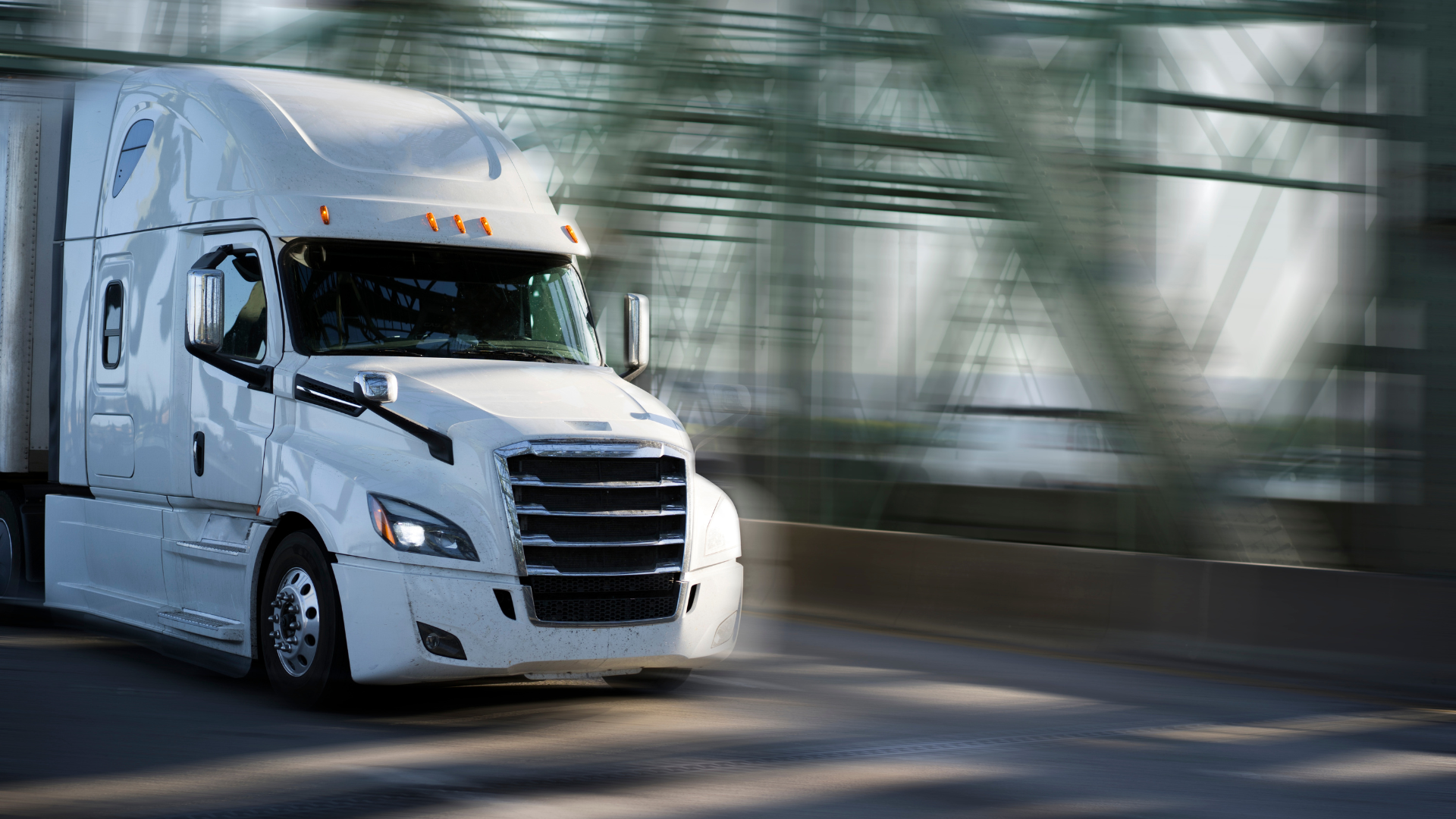
A man was killed last week after a crash involving an 18-wheeler and a CenterPoint Energy utility truck on the westbound lanes of the 610 South Loop at MLK Boulevard in Houston, according to ABC13. The car crash occurred around 9:30 a.m. when the utility truck attempted an unsafe merge and struck the front of the big rig. Police said the 18-wheeler then lost control, dragged the utility vehicle, and pinned it against a light pole. Two men were inside the CenterPoint truck and were trapped following the impact. The driver was rescued first and was not injured, while the passenger was freed nearly two hours later and transported to the hospital with life-threatening injuries, where he later died. All westbound lanes were closed for several hours during the investigation and cleanup before reopening later that afternoon.
This devastating Houston big rig crash highlights the serious risks posed by unsafe lane changes and collisions involving large commercial vehicles on busy Houston freeways. When a crash involves an 18-wheeler and a utility truck, the force of impact can lead to catastrophic injuries and loss of life in seconds. Families are often left searching for answers while investigations determine how and why the crash occurred. At Lassiter Law, we understand the emotional and legal challenges families face after a fatal car crash involving commercial or work vehicles. Our team is dedicated to helping loved ones uncover the facts, evaluate liability, and pursue justice when negligence contributes to a fatal collision. If your family has been impacted by a dangerous big rig crash on a Harris County highway, call us at (832) 937-4381 to learn how we can support you during this difficult time.
Why Legal Support Matters After a Houston Big Rig Crash
After a Houston big rig crash, the legal and financial consequences can be overwhelming, especially when the collision results in serious injuries or a loss of life. Our team at Lassiter Law understands that crashes involving 18-wheelers often raise complex legal issues, including multiple liable parties, commercial insurance policies, and federal trucking regulations. These cases require careful investigation, accident reconstruction, and a thorough review of driver conduct, vehicle maintenance records, and company safety practices. Having experienced legal support helps ensure that critical evidence is preserved and that responsible parties are properly identified.
Legal representation is especially important because trucking companies and their insurers often act quickly to protect their own interests after a serious crash. Lassiter Law focuses on protecting injured victims and grieving families by handling communications, evaluating liability, and addressing the long-term impact of a catastrophic collision. By building strong claims rooted in facts and documentation, the firm helps clients pursue accountability and financial recovery while allowing families the space to focus on healing and stability during an incredibly difficult time.
Common Causes of a Houston Big Rig Crash
A Houston big rig crash often results from a combination of human error, mechanical failure, and unsafe roadway conditions. Commercial trucks require more space, longer stopping distances, and strict regulatory compliance. When drivers or trucking companies fail to follow safety standards, the risk of severe collisions increases significantly. Understanding these common causes helps clarify how negligence contributes to serious truck accidents.
Driver Fatigue and Hours-of-Service Violations
Driver fatigue remains one of the leading causes of a Houston big rig crash, especially on busy highways and long-haul routes. Federal regulations limit driving hours, yet violations still occur regularly. Long shifts and tight delivery schedules often pressure drivers to exceed safe limits. Fatigue-related crashes frequently involve delayed reactions and poor decision-making.
How Fatigue Impairs Truck Drivers
Fatigue reduces reaction time, judgment, and situational awareness while driving heavy commercial vehicles. As a result, tired drivers struggle to respond to traffic changes safely. Slower reflexes increase the likelihood of rear-end and lane-change collisions. Fatigue also affects concentration during extended periods of highway driving.
Why Hours-of-Service Rules Matter
Hours-of-service rules exist to reduce fatigue-related crashes involving large trucks. When drivers exceed legal limits, safety risks increase dramatically. These violations often reflect inadequate oversight or unrealistic schedules. Compliance with these rules plays a critical role in protecting roadway safety.
Distracted Driving Behind the Wheel of a Big Rig
Distracted driving creates dangerous conditions when large trucks operate at highway speeds. A moment of inattention can cause catastrophic outcomes. Distractions reduce the driver’s ability to monitor surrounding traffic. Even brief lapses can lead to severe collisions.
Common Distractions for Truck Drivers
Cell phones, GPS systems, dispatch devices, and in-cab controls frequently distract commercial drivers. Even brief distractions divert attention from surrounding traffic. Consequently, reaction time decreases significantly. Distractions often occur during high-traffic or complex driving situations.
The Impact of Distraction on Large Vehicles
Big rigs require more time to brake and maneuver safely. Distractions delay critical responses during sudden traffic changes. This delay often leads to rear-end or sideswipe collisions. The size and weight of trucks increase crash severity.
Unsafe Lane Changes and Improper Merging
Improper lane changes frequently contribute to a Houston big rig crash, especially in congested traffic areas. Large trucks have significant blind spots that increase collision risk. Unsafe merging often occurs during heavy traffic flow. These actions leave little room for error.
Blind Spots and Limited Visibility
Commercial trucks have extensive no-zones on all sides of the vehicle. Drivers must rely on mirrors and proper signaling to change lanes safely. Failure to check blind spots often leads to serious crashes. Smaller vehicles frequently remain unseen in these areas.
High-Risk Urban Driving Conditions
Houston traffic congestion increases the danger of unsafe merging. Tight spaces and fast-moving lanes demand careful judgment. Errors during lane changes can quickly escalate into major collisions. Urban environments increase stress and complexity for truck drivers.
Speeding and Failure to Adjust for Road Conditions
Speeding remains a common factor in many Houston big rig crash investigations. Excessive speed reduces control and increases stopping distance. Trucks traveling too fast struggle to respond to sudden hazards. Speed magnifies the severity of collisions.
Speed Limits and Commercial Trucks
Commercial trucks must follow posted speed limits and adjust speed based on conditions. Driving too fast for traffic, weather, or road conditions increases crash risk. Heavy loads magnify these dangers. Speed compliance helps prevent loss of control.
Weather and Roadway Hazards
Rain, construction zones, and uneven pavement require slower speeds. Failure to adjust driving behavior often results in loss of control. These conditions increase the severity of crashes. Poor visibility further complicates safe operation.
Mechanical Failures and Poor Vehicle Maintenance
Mechanical issues often play a significant role in a Houston big rig crash. Trucking companies must maintain vehicles properly to ensure safety. Neglected maintenance increases the likelihood of sudden failures. These failures often occur without warning.
Brake and Tire Failures
Brake malfunctions and tire blowouts create immediate danger on highways. Poor maintenance increases the likelihood of sudden failures. These issues often prevent drivers from avoiding collisions. Mechanical breakdowns reduce stopping ability and control.
Maintenance Responsibilities of Trucking Companies
Trucking companies must inspect and maintain vehicles regularly. Skipped inspections or delayed repairs create unsafe conditions. Maintenance records frequently reveal preventable negligence. Proper upkeep reduces crash risk significantly.
Improper Cargo Loading and Securement
Cargo-related issues contribute to many Houston big rig crash cases. Improper loading affects vehicle balance and handling. Shifting cargo increases rollover risk. Securement failures often violate safety regulations.
Shifting or Overloaded Cargo
Unsecured or overloaded cargo can shift during transport. This movement destabilizes the truck and increases rollover risk. Sudden shifts often cause loss of control. Overloading also stresses braking systems.
Responsibility for Safe Loading
Cargo loaders and shipping companies share responsibility for securement. Improper loading violates safety regulations. These violations often contribute directly to serious crashes. Accountability extends beyond the driver.
Inadequate Training and Supervision
Insufficient driver training increases the likelihood of a Houston big rig crash. Operating a commercial truck requires skill, experience, and ongoing education. Inexperienced drivers face greater risks. Proper supervision helps prevent unsafe behavior.
Training Requirements for Commercial Drivers
Commercial drivers must meet licensing and training standards. Lack of proper instruction leads to poor decision-making. Inexperienced drivers pose higher risks on the road. Training gaps often appear in crash investigations.
Employer Oversight and Safety Policies
Trucking companies must supervise drivers and enforce safety rules. Weak oversight encourages unsafe practices. Poor supervision often contributes to repeated safety violations. Strong policies promote safer driving behavior.
Driving Under the Influence of Drugs or Alcohol
Impaired driving remains a dangerous cause of Houston big rig crashes. Even small impairments affect commercial vehicle operation. Substance use reduces control and awareness. These crashes often result in severe injuries.
Substance Use and Reaction Time
Drugs and alcohol reduce coordination, focus, and judgment. These effects become more dangerous when operating heavy trucks. Impairment often leads to severe collisions. Reaction time decreases significantly.
Regulatory Consequences for Impaired Driving
Commercial drivers face strict substance testing requirements. Violations indicate serious safety failures. These cases often involve clear negligence. Regulatory breaches strengthen liability claims.
Aggressive Driving and Road Rage
Aggressive behavior increases the risk of a Houston big rig crash, especially in congested traffic. Commercial drivers must maintain calm and control at all times. Aggressive actions escalate quickly. These behaviors endanger all road users.
Unsafe Aggressive Behaviors
Tailgating, sudden braking, and unsafe passing create dangerous situations. Large trucks cannot maneuver quickly to correct errors. Aggressive actions often escalate quickly. These behaviors increase crash severity.
The Importance of Professional Driving Conduct
Commercial drivers must prioritize safety over deadlines. Professional conduct reduces collision risk. Employers must enforce safe driving expectations. Consistent discipline promotes safer roads.
Proving Injury and Financial Loss After a Houston Big Rig Crash
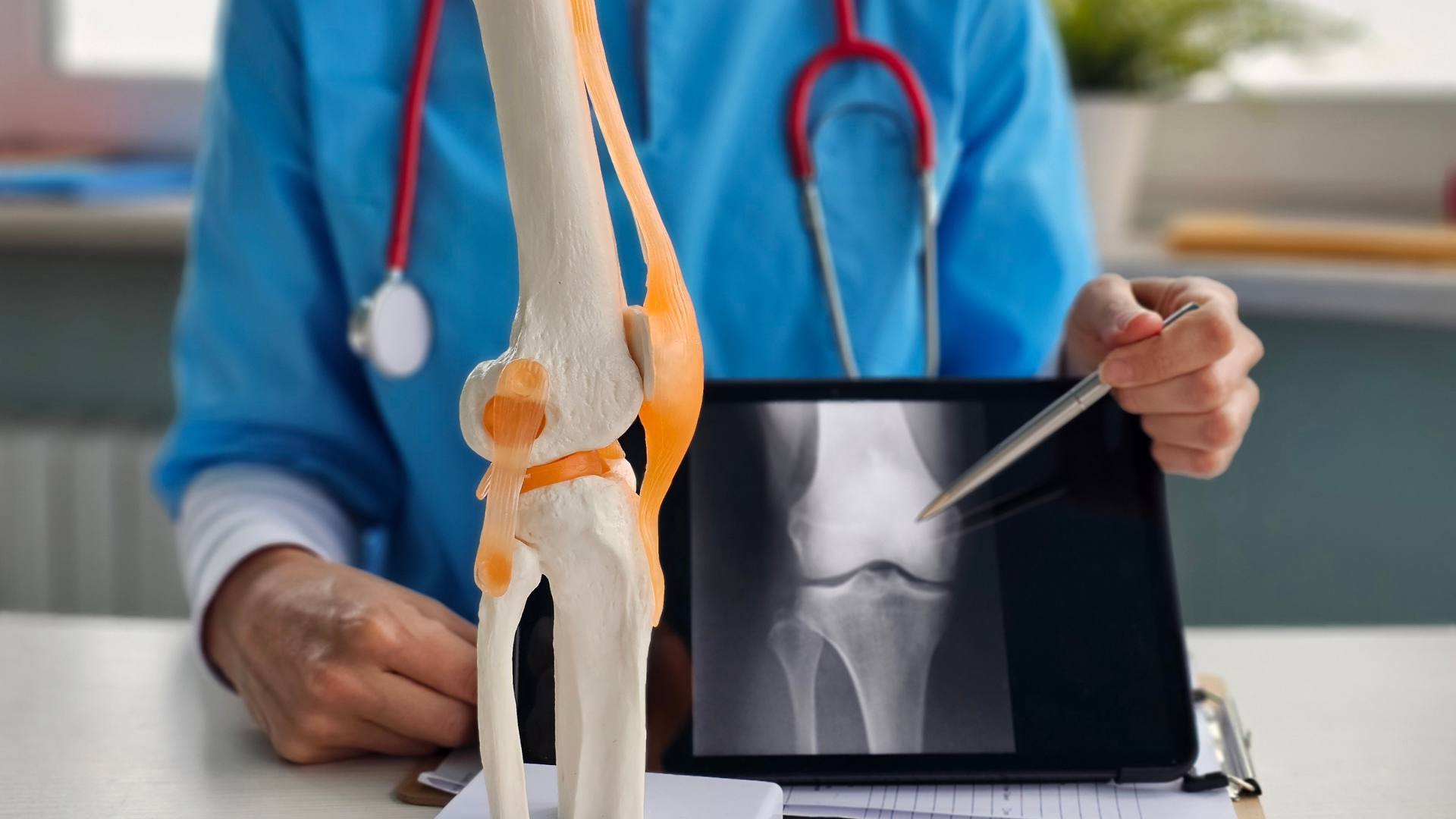
Proving damages after a Houston big rig crash requires detailed documentation and careful analysis of both immediate and long-term losses. Truck accidents often cause severe injuries that extend far beyond initial medical treatment. Therefore, financial harm must be evaluated comprehensively to reflect the true impact of the collision. Clear proof of damages plays a central role in establishing the value of a claim.
Documenting Physical Injuries After a Houston Big Rig Crash
Physical injuries from a Houston big rig crash often require extensive treatment and long recovery periods. Medical documentation provides the foundation for proving these injuries.
Medical Records and Treatment History
Treatment history documentation and other records show the severity of injuries and the treatment required after the crash. Hospital reports, imaging results, and physician notes establish a clear injury timeline. Consistent treatment records also help connect injuries directly to the collision. These documents reduce disputes over injury causation.
Ongoing Care and Rehabilitation Needs
Many truck accident injuries require physical therapy, surgery, or long-term rehabilitation. Treatment plans help demonstrate future medical needs and recovery limitations. Continued care highlights the lasting impact of serious injuries. These projections play an important role in damage calculations.
Proving Lost Income and Reduced Earning Capacity
A Houston big rig crash often disrupts employment and long-term earning ability. Financial records help quantify these losses accurately.
Verifying Lost Wages
Pay stubs, tax returns, and employer statements help confirm missed work time. These records show how injuries affected immediate income. Documentation also demonstrates how long recovery prevented returning to work. Lost wages represent a significant component of financial damages.
Demonstrating Reduced Future Earnings
Severe injuries may limit the ability to return to the same job or career. Vocational evaluations help assess reduced earning capacity. Medical restrictions often support these findings. Future income loss must reflect long-term limitations realistically.
Calculating Medical Expenses and Out-of-Pocket Costs
Medical expenses after a Houston big rig crash often extend well beyond emergency care. Accurate cost tracking strengthens damage claims.
Past and Current Medical Bills
Hospital bills, surgical costs, medication expenses, and therapy charges document financial strain. These bills show the immediate economic impact of injuries. Organized billing records help establish clear totals. Accurate calculations reduce insurer disputes.
Anticipated Future Medical Expenses
Serious injuries may require future procedures or ongoing treatment. Medical experts help estimate these costs. Future expenses must reflect realistic care needs. These projections help protect long-term financial stability.
Addressing Pain, Suffering, and Quality of Life Changes
Non-economic damages play a critical role after a Houston big rig crash. These losses reflect personal harm beyond financial costs.
Physical Pain and Emotional Distress
Chronic pain, emotional trauma, and mental health challenges often follow serious truck accidents. Medical and psychological evaluations help document these effects. Daily discomfort and anxiety impact overall well-being. These factors influence damage assessments.
Loss of Enjoyment and Daily Limitations
Injuries may prevent participation in hobbies, family activities, or normal routines. Lifestyle changes demonstrate diminished quality of life. Personal statements and medical opinions support these claims. These losses deserve careful consideration.
Using Expert Testimony to Strengthen Damage Claims
Expert analysis often strengthens proof of injury and financial loss after a Houston big rig crash. Professional evaluations add credibility.
Medical and Economic Experts
Doctors explain injury severity and future care needs clearly. Economic experts calculate long-term financial losses accurately. Expert testimony supports complex damage calculations. These opinions carry significant weight.
Accident Reconstruction and Impact Analysis
Reconstruction specialists explain how the crash caused specific injuries. Impact analysis connects forces to physical harm. This clarity helps eliminate alternative explanations. Strong expert support improves claim strength.
When a Houston Big Rig Crash Case Requires Litigation
Not every Houston big rig crash claim resolves through settlement, especially when liability or damages remain disputed. In some cases, litigation becomes necessary to pursue fair compensation and accountability. Trucking companies and insurers often resist paying full damages when injuries are severe or evidence points to systemic negligence. Litigation provides a structured legal process to resolve these disputes.
Why Some Houston Big Rig Crash Cases Do Not Settle
Settlement negotiations may fail when parties disagree about fault, damages, or legal responsibility. Truck accident claims frequently involve high financial exposure, which increases resistance from insurers.
Disputed Liability and Conflicting Evidence
Trucking companies often dispute fault by blaming other drivers or road conditions. Conflicting witness statements and incomplete records can complicate negotiations. Litigation allows evidence to be formally examined and challenged. Courts provide a neutral forum to resolve these disputes.
Denial or Undervaluation of Damages
Insurers may minimize injury severity or question medical necessity. They often challenge future care needs or long-term limitations. Litigation forces insurers to address documented losses seriously. Formal proceedings reduce unfair valuation tactics.
The Role of Discovery in a Houston Big Rig Crash Lawsuit
Discovery plays a critical role once litigation begins after a Houston big rig crash. This process allows both sides to exchange information under legal requirements.
Obtaining Internal Trucking Company Records
Discovery enables access to internal company documents, emails, and safety policies. These records often reveal patterns of negligence or regulatory violations. Without litigation, this information may remain hidden. Discovery strengthens accountability efforts.
Depositions and Witness Testimony
Depositions allow attorneys to question drivers, supervisors, and experts under oath. Testimony helps clarify inconsistencies and establish credibility. Witness statements often influence case outcomes. This process builds a stronger factual record.
How Expert Testimony Becomes Essential During Litigation
Expert testimony often becomes more important when a Houston big rig crash case proceeds to court. Experts help explain technical issues clearly.
Accident Reconstruction and Engineering Analysis
Reconstruction experts analyze vehicle damage, skid marks, and data to explain how the crash occurred. Their findings help establish causation and fault. Courts rely heavily on this analysis. Clear explanations strengthen jury understanding.
Medical and Financial Expert Opinions
Medical experts explain injury severity and future care needs in detail. Financial experts calculate long-term economic losses accurately. These opinions support damage claims effectively. Expert testimony adds credibility.
Court Procedures in a Houston Big Rig Crash Case
Litigation follows formal procedures designed to ensure fairness and due process. Understanding these steps helps set realistic expectations.
Pretrial Motions and Hearings
Attorneys may file motions to resolve legal issues before trial. These motions can limit evidence or narrow disputes. Hearings help clarify case boundaries. Pretrial rulings shape trial strategy.
Trial Presentation and Jury Consideration
During trial, evidence and testimony are presented to a judge or jury. Jurors evaluate credibility, fault, and damages. Clear presentation becomes critical. Verdicts provide binding resolutions.
When Litigation Strengthens Leverage and Outcomes
Although litigation increases complexity, it can strengthen leverage in a Houston big rig crash case. The pressure of trial often influences settlement decisions.
Encouraging Fair Settlement Negotiations
As litigation progresses, insurers face increased risk and expense. This pressure often leads to more reasonable settlement offers. Litigation signals seriousness and preparedness. Strong cases gain negotiating power.
Achieving Accountability Through the Legal System
Some cases require courtroom resolution to achieve accountability. Litigation exposes unsafe practices and enforces legal standards. Court decisions create consequences for negligence. This process supports justice and safety.
Understanding Timelines and Expectations in Litigation
Litigation takes time, patience, and preparation after a Houston big rig crash. Clear expectations help manage the process.
Length of the Litigation Process
Truck accident lawsuits may take months or longer to resolve. Discovery, motions, and scheduling affect timelines. Complex cases require careful handling. Patience remains important.
Preparing for Possible Outcomes
Litigation may result in settlement, verdict, or appeal. Each outcome carries different implications. Preparation helps manage uncertainty. Informed decisions support better results.
How a Harris County Personal Injury Lawyer Helps After a Truck Accident
After a Houston big rig accident, experienced legal guidance becomes essential because commercial truck claims involve complex rules and aggressive insurers. A Harris County personal injury lawyer understands how local courts and trucking companies approach these high-stakes cases. More importantly, early legal involvement helps preserve evidence and protect injured parties’ rights before critical information disappears. Acting quickly helps stabilize the claim and position it for a stronger outcome.
Investigating the Cause of a Houston Big Rig Accident
A detailed investigation plays a central role after a Houston big rig accident because liability rarely appears obvious at first. A Harris County personal injury lawyer examines every contributing factor, including driver actions, road conditions, and vehicle performance. Additionally, early investigation prevents trucking companies from controlling the narrative. This approach creates a factual foundation that supports accountability and long-term recovery.
Collecting Evidence From the Crash Scene
Police reports, scene photographs, traffic data, and witness statements are gathered to reconstruct how the collision occurred. Vehicle damage and roadway markings are analyzed to confirm speed, impact points, and direction of travel. These details help clarify fault and eliminate uncertainty. Strong evidence strengthens negotiations and supports litigation if necessary.
Reviewing Trucking Company Records
Driver logs, maintenance histories, inspection reports, and company safety policies are reviewed carefully. These records often reveal violations involving driver fatigue, improper training, or neglected repairs. Moreover, identifying repeated safety issues helps establish a pattern of negligence. This documentation becomes critical when challenging trucking companies and insurers.
Identifying All Liable Parties After a Truck Accident
A Houston big rig accident often involves more than one responsible party, which increases case complexity. A Harris County personal injury lawyer evaluates every entity connected to the crash carefully. Identifying all liable parties helps ensure compensation reflects the full scope of harm. This step also prevents insurers from shifting blame unfairly.
Determining Driver Responsibility
The truck driver’s actions leading up to the collision are reviewed, including speed, alertness, and compliance with safety rules. Training records and prior violations are also examined to identify risky behavior. When driver negligence appears, accountability becomes clearer. This analysis supports stronger legal claims.
Holding Companies and Contractors Accountable
Trucking companies may share liability due to unsafe policies, poor supervision, or unrealistic delivery schedules. In some cases, third-party maintenance providers or cargo loaders contribute to the crash. Therefore, contracts and responsibilities are examined closely. Holding all parties accountable helps protect the right to full compensation.
Handling Insurance Companies After a Houston Big Rig Accident
Insurance companies often respond aggressively after a Houston big rig accident to minimize financial exposure. A Harris County personal injury lawyer manages communications to protect injured parties’ interests. This approach prevents insurers from exploiting uncertainty or stress. Consistent legal oversight keeps the claim on track.
Preventing Harmful Statements and Delays
Phone calls, written correspondence, and settlement discussions with insurers are handled carefully. As a result, injured individuals avoid making statements that insurers could later misrepresent. Additionally, unnecessary delays are challenged. This strategy keeps the process moving forward.
Negotiating for Fair Compensation
Damages are calculated by reviewing medical costs, income loss, property damage, and future needs. Negotiations rely on clear evidence and documented losses. Strong preparation increases leverage during negotiations. Fair compensation requires persistence and clarity.
Proving Damages and Long-Term Impact
Truck accidents often cause severe injuries with lasting consequences. A Harris County personal injury lawyer documents these impacts thoroughly after a Houston big rig accident. Proper valuation ensures compensation reflects real-world losses. This process supports long-term stability.
Documenting Medical and Financial Losses
Medical records, treatment plans, billing statements, and expert opinions document injury severity. These records show how injuries affect daily life and financial security. Accurate documentation supports stronger settlement positions. Clear records reduce disputes.
Addressing Future Care and Life Changes
Serious injuries may require ongoing treatment, rehabilitation, or lifestyle adjustments. Professionals help estimate future medical and financial needs. This planning ensures claims address long-term consequences. Forward-looking analysis strengthens recovery outcomes.

Representing Clients in Litigation When Necessary
Although many Houston big rig accident cases resolve through settlement, some require litigation. A Harris County personal injury lawyer prepares every case with trial readiness in mind. Preparation improves leverage at every stage. It also protects against unfair settlement pressure.
Preparing a Strong Legal Strategy
Legal arguments are developed using evidence, expert testimony, and applicable laws. Preparation allows anticipation of defense strategies. This readiness strengthens negotiations. Strategic planning remains essential.
Advocating in Harris County Courts
Local court procedures and expectations throughout Harris County are well understood. Familiarity with these systems helps present cases effectively. Strong courtroom advocacy supports fair resolutions. Local knowledge adds meaningful value.
Providing Ongoing Guidance and Support
Legal support extends beyond filings after a Houston big rig accident. A Harris County personal injury lawyer provides consistent guidance throughout the claim. Clear communication builds trust and confidence. Support remains central.
Keeping Clients Informed and Prepared
Developments, deadlines, and options are explained clearly at every stage. Injured individuals remain informed and involved in decisions. Transparency improves outcomes and knowledge reduces stress.
Reducing Stress During Recovery
By managing legal responsibilities, injured individuals can focus on healing. Complex issues are handled while communication remains open. Supportive representation eases the burden. Legal help should provide stability instead of additional stress.
Contact an Experienced Houston Big Rig Crash Lawyer Today
When a serious collision involves a commercial truck, having knowledgeable legal guidance can make a meaningful difference in how a claim is handled and resolved. Lassiter Law has experience representing individuals and families affected by devastating big rig crashes throughout Houston. Our team understands the unique challenges these cases present, from dealing with trucking companies and insurers to analyzing complex evidence tied to commercial vehicle operations. Our approach is focused on protecting clients’ interests while pursuing accountability for negligent conduct.
At Lassiter Law, we take the time to sit down with our clients to discuss the full scope of their situation. We take a hands-on approach to every case, carefully reviewing the facts, preserving key evidence, and addressing the full impact a serious truck crash can have on your life and family. We work closely with our clients so they are informed, supported, and never left guessing about where their case stands throughout every step of the way. If you or a loved one has been impacted by a Houston big rig crash, our team is here to help you understand your legal options and next steps. We’re committed to providing clear guidance, personalized attention, and dedicated representation during a difficult time. To speak with our legal team, call (832) 937-4381 or fill out our online contact form to request a confidential consultation.