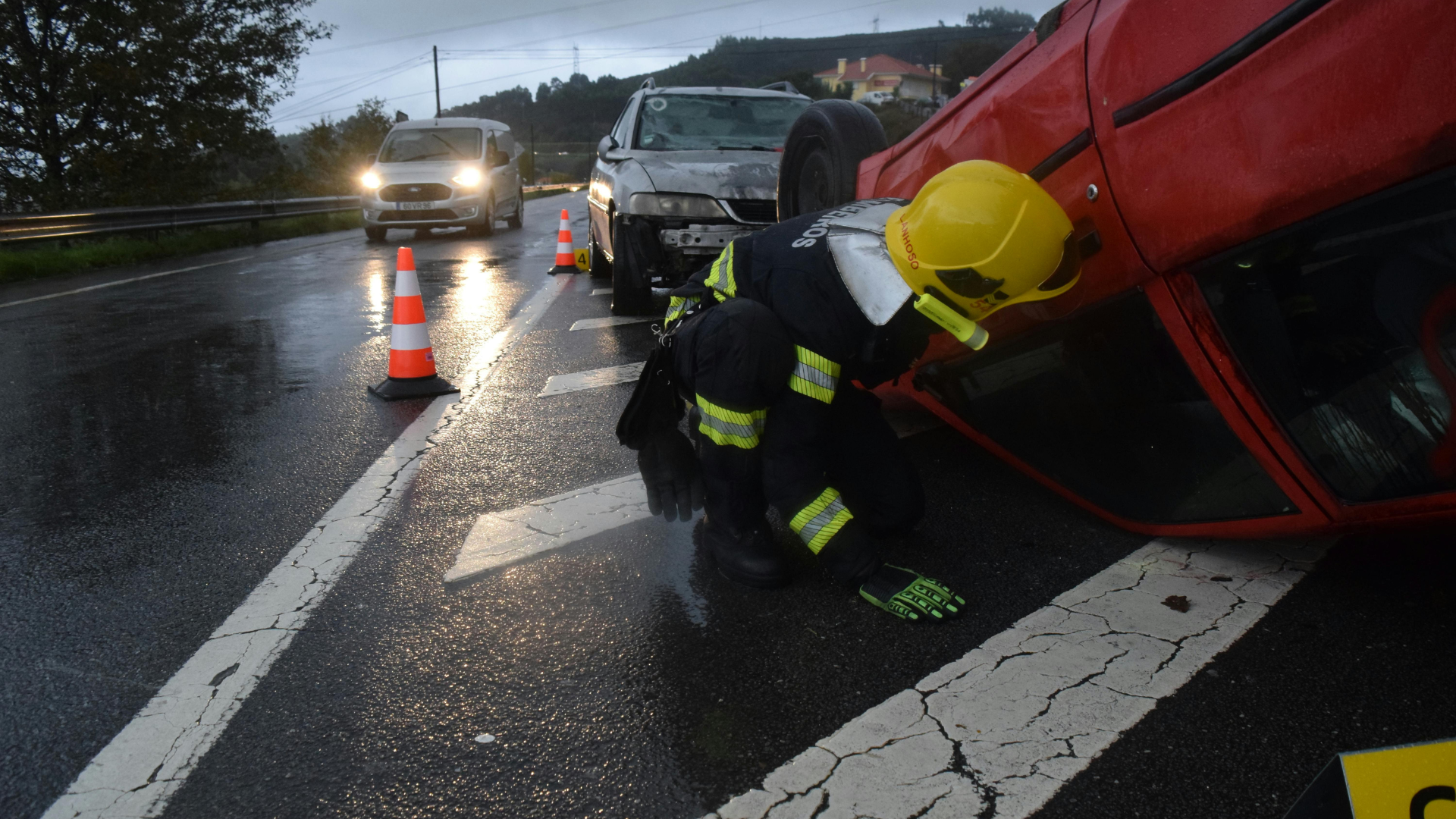
A man and a woman were killed in a high-speed crash along Lockwood Drive in east Houston on the afternoon of February 26, according to local news. Houston police said the pair were inside a Dodge Charger traveling over a bridge near Clinton Drive around 5 p.m. when the driver, believed to be speeding, lost control of the vehicle. Investigators estimate the car may have been traveling as fast as 80 to 90 mph in a 35-mph zone before it veered off the roadway and slammed into trees. Both occupants were pronounced dead at the scene, and their identities have not yet been released.
High-speed crashes in the busy Houston metro are often especially devastating because the extreme force involved leaves little chance for occupants to survive. When vehicles travel far above posted speed limits on city streets, drivers can quickly lose control, particularly on elevated roadways or bridges where there is limited room to recover. In situations like this, investigators must carefully examine factors such as speed, roadway design and possible driver behavior. At Lassiter Law, we understand how deeply these tragedies can affect loved ones and communities. Our team is dedicated to helping families understand their legal rights and pursue accountability where negligence or dangerous driving may have contributed to a fatal crash. If your family has been affected by a serious crash, call us now at (832) 937-4381.
Why Legal Support Is Crucial After a Fatal East Houston Wreck
After a serious or fatal wreck in east Houston, families are often left trying to make sense of what happened while coping with overwhelming grief. At Lassiter Law, we know that no legal action can undo the pain of losing a loved one, but it can help families pursue accountability and financial stability during an incredibly difficult period. Fatal crashes can involve complex investigations, including accident reconstruction, witness statements, and analysis of factors such as speed, roadway conditions, and driver behavior.
During this difficult time, we help families understand the investigative process and work to identify whether negligence or reckless driving may have contributed to the tragedy. That’s why we work closely with clients to gather evidence, communicate with insurance companies, and seek compensation for damages such as funeral expenses, loss of income, and other related costs. Our team is committed to guiding families through every step of the legal process and fighting for the justice they deserve.
Common Causes of a Fatal East Houston Wreck
Several factors can contribute to a fatal east Houston wreck, especially on busy roadways with heavy traffic and higher speed limits. Driver behavior frequently plays a significant role when investigators examine how a deadly crash occurred. Speeding, distracted driving, and impaired driving often increase the likelihood of a severe or fatal collision. Additionally, poor roadway conditions, mechanical failures, or limited visibility sometimes contribute to dangerous driving situations. Understanding the common causes of fatal crashes helps families and investigators determine whether negligence may have played a role.
Dangerous Driving Behaviors
Unsafe driving behavior remains one of the leading contributors to a fatal east Houston wreck. Drivers who ignore traffic laws or operate vehicles recklessly increase the risk of devastating collisions. High traffic volumes in Houston can further amplify the consequences of careless driving decisions. Investigators frequently analyze driver actions before the crash to determine whether negligent behavior occurred. This evaluation often plays a critical role when families pursue accountability after a fatal collision.
Speeding and Aggressive Driving
Speeding frequently contributes to fatal crashes because higher speeds reduce reaction time and increase crash severity. Drivers who travel far above posted limits often struggle to maintain control of their vehicles. Aggressive driving behaviors such as rapid lane changes or tailgating also create dangerous roadway conditions. These actions increase the likelihood of sudden collisions, especially on busy urban streets. As a result, investigators closely evaluate whether excessive speed contributed to the fatal crash.
Distracted Driving
Distracted driving continues to create serious risks on Houston roadways. Drivers who use mobile phones, navigation systems, or other devices may divert attention from the road. Even brief distractions can prevent drivers from noticing sudden traffic changes or hazards ahead. This reduced awareness often leads to delayed braking or failure to avoid a collision. Consequently, distracted driving frequently becomes a key factor in fatal crash investigations.
Impaired Driving and Reduced Reaction Time
Impaired driving often plays a significant role in serious or fatal crashes. Alcohol and drugs can impair judgment, slow reaction times, and reduce coordination while driving. Drivers under the influence may struggle to maintain proper lane position or respond to changing traffic conditions. These impairments significantly increase the likelihood of losing control of the vehicle. Investigators therefore examine toxicology reports and driver behavior when assessing possible impairment.
Alcohol-Related Crashes
Alcohol consumption frequently contributes to fatal traffic collisions throughout Texas. Intoxicated drivers may misjudge speed, distance, and roadway hazards while operating a vehicle. Reduced coordination can also affect braking and steering responses during emergency situations. These impairments dramatically increase the likelihood of a high-impact crash. Consequently, law enforcement often performs toxicology testing when alcohol impairment is suspected.
Drug-Impaired Driving
Drug-impaired driving also presents serious dangers on Houston roadways. Both illegal drugs and certain prescription medications can affect a driver’s ability to operate a vehicle safely. Impairment may include slowed reaction times, blurred vision, or difficulty concentrating on traffic conditions. Drivers experiencing these effects may struggle to respond appropriately to hazards. Investigators therefore examine toxicology results and driver behavior when drug impairment becomes a concern.
Roadway and Environmental Factors
Roadway conditions and environmental elements sometimes contribute to a fatal east Houston wreck. Poor lighting, damaged pavement, and unclear lane markings can create hazardous driving situations. Heavy traffic and complex intersections may also increase the likelihood of collisions. Weather conditions such as rain or fog sometimes reduce visibility and road traction. Investigators evaluate these factors carefully when determining the full cause of a fatal crash.
Poor Road Design or Maintenance
Certain roadway designs may increase the likelihood of serious accidents when safety features remain inadequate. Sharp curves, narrow lanes, or poorly designed intersections can create dangerous driving conditions. Additionally, potholes, uneven pavement, or missing signage sometimes contribute to vehicle control issues. Government agencies responsible for roadway maintenance may play a role when hazards remain unaddressed. Investigators therefore review roadway design and maintenance records when evaluating crash causes.
Limited Visibility and Weather Conditions
Visibility challenges sometimes contribute to serious or fatal crashes on busy Houston roadways. Heavy rain, fog, or glare from sunlight can make it difficult for drivers to detect hazards quickly. Poor street lighting may further reduce visibility during nighttime driving conditions. Drivers who fail to adjust speed during these conditions increase the risk of severe collisions. Careful analysis of weather reports and lighting conditions often helps investigators understand how visibility affected the crash.

Who May Be Liable After a Fatal East Houston Wreck
Determining liability after a fatal east Houston wreck often requires careful legal analysis and a detailed review of available evidence. In many cases, another driver’s negligent or reckless behavior may have directly contributed to the collision. However, liability sometimes extends beyond a single driver when additional factors influence how the crash occurred. Vehicle manufacturers, commercial trucking companies, or government entities responsible for roadway maintenance may also share responsibility. Identifying every potentially liable party helps families pursue a more complete claim for damages and accountability.
Negligent Drivers
Negligent drivers frequently represent the most common source of liability after a fatal east Houston wreck. Drivers must operate vehicles responsibly while following traffic laws and adjusting behavior to road conditions. When a driver fails to exercise reasonable care, the risk of a severe or fatal crash increases significantly. Investigators often review driving behavior before the collision to determine whether negligence occurred. Establishing driver negligence often becomes a central element in a wrongful death claim.
Speeding or Reckless Driving
Speeding and reckless driving frequently contribute to severe crashes on busy Houston roadways. Drivers who exceed posted speed limits often reduce their ability to react to sudden hazards. Additionally, reckless actions such as aggressive lane changes or tailgating can destabilize traffic flow. These behaviors increase the likelihood of losing vehicle control or causing high-impact collisions. As a result, investigators carefully analyze speed estimates and driving patterns before the crash.
Distracted or Impaired Driving
Distracted or impaired driving also increases the risk of a fatal collision. Drivers who focus on mobile devices, navigation systems, or other distractions may fail to notice traffic changes. Alcohol or drug impairment can further reduce reaction time and decision-making ability. These impairments often prevent drivers from responding appropriately to hazards on the roadway. Investigators therefore review witness statements, toxicology results, and electronic records during the investigation.
Commercial Vehicle Liability
Commercial vehicles sometimes become involved in serious or fatal collisions throughout east Houston. Trucks and delivery vehicles often operate under strict safety regulations and maintenance requirements. When companies fail to follow these standards, they may contribute to dangerous roadway conditions. Liability may therefore extend beyond the driver to the employer or the company responsible for vehicle operation. Attorneys frequently examine employment records, driver training policies, and maintenance logs when evaluating these cases.
Employer Responsibility and Negligent Hiring
Employers must ensure that commercial drivers possess proper training and safe driving histories. Companies that hire drivers without adequate screening may expose the public to unnecessary risk. In some cases, businesses may fail to conduct background checks or ignore prior safety violations. This negligence can contribute to serious crashes when an unqualified driver operates a large vehicle. Investigators therefore examine hiring practices and employment records when determining liability.
Failure to Maintain Commercial Vehicles
Proper vehicle maintenance plays an essential role in preventing mechanical failures that lead to serious crashes. Commercial vehicles require regular inspections to ensure safe operation on busy highways and city streets. When companies neglect maintenance schedules, critical systems such as brakes or steering may malfunction. These failures can cause drivers to lose control of the vehicle unexpectedly. Reviewing maintenance records often helps determine whether mechanical negligence contributed to the collision.
Vehicle Manufacturers and Product Liability
Vehicle manufacturers may share liability when defective components contribute to a fatal east Houston wreck. Defective brakes, steering systems, or airbags sometimes prevent drivers from avoiding a collision. In other situations, safety features may fail to protect occupants during the crash. Product liability investigations often involve engineers and automotive experts who analyze the vehicle’s design and performance. Identifying a defective component can help establish manufacturer responsibility.
Defective Vehicle Components
Certain vehicle defects can increase the likelihood of a crash or worsen the severity of injuries. Brake failures, steering malfunctions, and tire defects may prevent drivers from maintaining control. These issues sometimes occur due to design flaws or manufacturing errors. When defects exist, the manufacturer or supplier may bear responsibility for the resulting damages. Investigators therefore examine vehicle history, recalls, and engineering reports during the case.
Failure to Issue Safety Recalls
Manufacturers must notify consumers when known safety defects threaten vehicle safety. Failure to issue timely recalls may leave drivers unaware of dangerous mechanical issues. When these defects lead to fatal crashes, manufacturers may face liability for failing to correct the hazard. Attorneys often review recall notices and manufacturer communications to determine whether the company acted responsibly. This investigation helps clarify whether the defect played a role in the fatal collision.
Government Entities Responsible for Roadway Safety
Government agencies sometimes share responsibility when unsafe roadway conditions contribute to a fatal crash. Roads require proper maintenance, signage, and design to ensure safe travel for motorists. When agencies fail to repair hazards or address dangerous conditions, the risk of serious accidents increases. Investigators may evaluate whether poor road maintenance or inadequate warnings contributed to the crash. These cases require careful legal analysis due to specific rules governing claims against government entities.
Dangerous Road Conditions
Certain roadway hazards can increase the likelihood of severe accidents in high-traffic areas. Potholes, uneven pavement, or debris on the roadway may cause drivers to lose control unexpectedly. Additionally, faded lane markings or missing traffic signs may create confusion for drivers. These hazards can contribute to collisions when drivers cannot navigate the roadway safely. Investigators therefore review roadway maintenance records and inspection reports.
Poor Traffic Control or Road Design
Road design and traffic control systems also influence overall roadway safety. Poorly designed intersections, confusing lane merges, or inadequate signal timing may increase crash risks. Drivers navigating these areas may encounter sudden traffic changes or unclear directions. When dangerous design flaws exist, government entities responsible for roadway planning may share liability. Careful analysis of engineering records and traffic studies often helps determine whether road design contributed to the fatal crash.
Compensation Available After a Fatal East Houston Wreck
Families who lose a loved one in a fatal east Houston wreck often face both emotional devastation and unexpected financial hardship. A wrongful death claim can help surviving family members pursue compensation for losses connected to the crash. This legal process allows families to recover damages related to financial support, funeral expenses, and other serious impacts caused by the tragedy. Understanding the types of compensation that may be available helps families make informed decisions during a difficult time. Houston car accident attorneys often guide families through this process while working to pursue fair financial recovery.
Economic Damages Following a Fatal Car Crash
Economic damages refer to measurable financial losses that result from the fatal collision. These losses often create immediate and long-term financial challenges for surviving family members. Legal claims may seek compensation for expenses directly connected to the crash and the loss of the victim’s financial support. Attorneys typically calculate these damages using documentation such as invoices, employment records, and financial statements. A clear understanding of economic damages helps ensure that families pursue compensation reflecting the full financial impact of the loss.
Funeral and Burial Expenses
Funeral and burial services often create significant unexpected expenses for families coping with a sudden loss. These costs may include funeral home services, burial plots, cremation arrangements, and memorial services. Additionally, transportation and administrative costs sometimes increase the financial burden associated with final arrangements. A wrongful death claim may allow families to pursue reimbursement for these necessary expenses. Recovering these costs can help relieve some financial pressure during an already difficult period.
Loss of Financial Support and Income
The loss of a family member’s income can significantly affect the household’s long-term financial stability. Compensation claims may account for wages, employment benefits, and other financial contributions the victim previously provided. Attorneys often work with financial experts to estimate the projected earnings the victim would likely have earned. This analysis considers factors such as career trajectory, age, and expected retirement. Pursuing compensation for lost income helps families address the long-term financial consequences of the tragedy.
Non-Economic Damages in Fatal Wreck Cases
Non-economic damages address the profound personal losses that families experience after a fatal car crash. These damages focus on emotional suffering and the loss of meaningful relationships within the family. While these losses cannot be measured through financial records, they remain deeply significant. Courts recognize that the emotional impact of losing a loved one often extends far beyond financial hardship. Legal claims therefore allow families to seek compensation reflecting these intangible losses.
Loss of Companionship and Emotional Support
Losing a loved one often removes a vital source of companionship, guidance, and emotional support within the family. Surviving spouses, children, and parents frequently experience long-lasting emotional consequences after a sudden fatal crash. Compensation claims may reflect the value of the relationship that family members have lost. Courts may consider the closeness of the relationship and the role the victim played within the household. Recognizing this loss helps ensure that legal claims fully reflect the emotional harm caused by the tragedy.
Mental Anguish and Emotional Suffering
Mental anguish represents the deep emotional distress families often experience following a fatal collision. Grief, trauma, and ongoing emotional pain frequently affect surviving relatives long after the crash. Legal claims may include compensation recognizing the psychological impact of the sudden loss. Attorneys often present evidence demonstrating how the tragedy has affected the family’s daily lives and well-being. Addressing mental anguish acknowledges the profound emotional consequences that accompany fatal accidents.
How Houston Car Accident Attorneys Handle Fatal Wrecks
Fatal car crashes often create complicated legal situations that require careful investigation and thorough legal guidance. Families frequently struggle to understand the legal process while coping with overwhelming grief and uncertainty. Houston car accident attorneys help families evaluate the circumstances surrounding the crash and identify potential sources of liability. Legal guidance also helps families navigate insurance claims, accident reports, and investigative findings more effectively. With experienced legal support, families can better understand their rights while pursuing accountability after a tragic loss.
Investigating the Circumstances of the Fatal Crash
A detailed investigation often serves as the foundation of any fatal crash case involving potential negligence or reckless behavior. Attorneys review police reports, witness statements, and physical evidence collected from the crash scene. In addition, legal teams frequently collaborate with accident reconstruction specialists who analyze vehicle damage and roadway conditions. This process helps clarify how the collision occurred and whether traffic violations or dangerous driving contributed to the crash. A thorough investigation also helps preserve key evidence that may become critical during negotiations or potential litigation.
Reviewing Police Reports and Crash Documentation
Police reports often provide important details about how the crash unfolded and what investigators observed at the scene. Attorneys carefully analyze these reports to identify potential violations such as speeding, reckless driving, or distracted driving. Additionally, these documents may include statements from witnesses and officers who responded to the incident. Reviewing official crash documentation helps legal teams verify timelines and identify inconsistencies within the available evidence. This careful review strengthens the overall case by ensuring that all relevant facts receive proper consideration.
Gathering Evidence From the Crash Scene
Evidence collected from the crash scene often provides critical insight into how the fatal collision occurred. Attorneys may obtain photographs, surveillance footage, and roadway measurements that reveal the sequence of events. Investigators sometimes return to the scene to examine traffic patterns, lighting conditions, and possible roadway hazards. This information helps determine whether external factors may have contributed to the crash. Strong evidence collection supports a more accurate understanding of the events leading to the collision.
Determining Liability in a Fatal Houston Wreck
Determining liability represents one of the most important steps in pursuing accountability after a fatal crash. Attorneys analyze available evidence to identify which party or parties may have acted negligently. In many cases, liability may involve speeding, reckless driving, or violations of traffic laws. Legal teams also consider whether additional factors such as road design or vehicle defects played a role. Identifying liability allows families to better understand their legal options moving forward.
Examining Driver Behavior and Traffic Violations
Driver behavior often becomes a central focus when attorneys evaluate the cause of a fatal collision. Legal teams review evidence that may indicate speeding, distracted driving, or aggressive driving behavior. Traffic camera footage, witness statements, and vehicle data sometimes provide additional insight into driver actions before impact. This analysis helps attorneys determine whether a driver failed to operate the vehicle responsibly. Establishing unsafe driving behavior often becomes essential when pursuing a wrongful death claim.
Considering Additional Contributing Factors
Some fatal crashes involve multiple contributing factors that require careful legal analysis. Attorneys may examine roadway design, vehicle maintenance issues, or weather conditions that affected driver control. Additionally, mechanical failures or defective vehicle components sometimes play a role in serious collisions. Evaluating these possibilities ensures that all potential sources of liability receive proper investigation. This broader analysis helps families pursue accountability wherever negligence may exist.
Supporting Families Throughout the Legal Process
Legal representation often provides valuable support to families facing the aftermath of a fatal car crash. Attorneys help families understand each step of the legal process while answering questions that arise during the investigation. Clear communication helps families remain informed about case developments and potential legal options. Legal teams also manage documentation, insurance communications, and evidence gathering during the process. This guidance allows families to focus on healing while their legal team handles the complex legal responsibilities.
Contact an Attorney in East Houston Skilled at Handling Fatal Wrecks
After a fatal crash, families are often left with difficult questions about what happened and what steps they should take next. Investigations into deadly collisions can involve multiple agencies, detailed crash reports, and evidence that may be time-sensitive. At Lassiter Law, we work closely with families to review the facts of the case, examine the available evidence, and determine whether negligence, reckless driving, or other dangerous behavior may have contributed to the crash. We also take steps to preserve critical information that could help clarify how the collision occurred.
Our team understands the emotional and financial strain that follows a sudden loss, and we are committed to guiding families through the legal process with compassion and determination. We focus on building strong cases that seek accountability and help families pursue compensation for the losses they have suffered. If your family has lost a loved one in a fatal east Houston wreck, call us today at (832) 937-4381 or reach out online to speak with our team about your legal options. We’re here to answer your questions and help you understand the next steps available to your family.