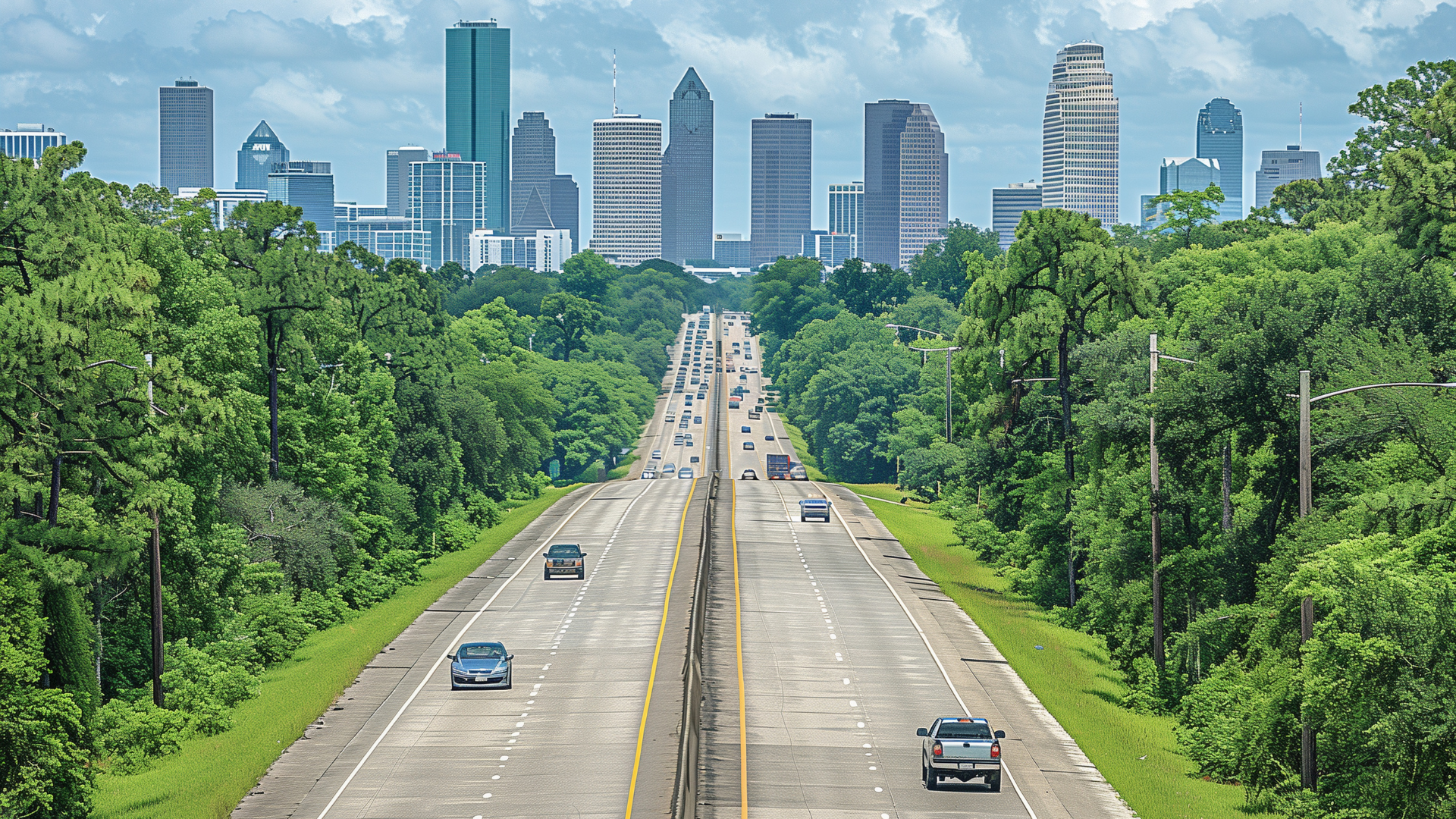
A 73-year-old woman was killed after being struck by a pickup truck while crossing Westheimer Road early the morning of November 21, according to Houston local news. The violent collision came just days after the road was named one of the deadliest in America, with 19 pedestrian accidents reported between 2021 and 2023. According to police, the woman stepped into the roadway when the truck hit her, and she died at the scene. Witnesses reported that a second vehicle also struck the woman, but that driver did not stop.
Pedestrian fatalities like this underscore the extreme dangers people face along Houston’s busiest corridors. Even a moment of inattention from a driver can lead to life-altering tragedies, leaving families overwhelmed and searching for answers. Despite increased reporting on hazardous roadways, deadly pedestrian crashes continue to rise across Texas. At Lassiter Law, we understand how painful and preventable these losses often are. Our Houston pedestrian accident attorneys are dedicated to helping families pursue accountability from negligent drivers and navigate the legal process with compassion and clarity. If your loved one has been affected by a pedestrian accident, call us at (832) 937-4381. We’re ready to help you seek the justice and compensation your family deserves.
Finding the Right Pedestrian Accident Attorney After a Violent Houston Collision
If you were involved in a Houston pedestrian collision, finding the right attorney is one of the most important steps in protecting your rights. At Lassiter Law, you gain a legal team that understands the unique challenges pedestrians face after violent roadway crashes. Our attorneys know how to gather evidence, review police reports, and analyze witness statements to identify the factors that caused the collision. We also understand how insurance companies attempt to reduce the value of pedestrian claims, and we work to prevent tactics that could harm your case.
At Lassiter Law, we remain committed to helping victims of negligent and reckless drivers who cause devastating injuries. A serious pedestrian collision can lead to mounting medical bills, emotional trauma, and lasting physical harm. Our team carefully reviews every detail, consults the right experts, and builds a clear strategy to support your recovery. We believe in holding negligent drivers accountable and ensuring that insurance companies evaluate your claim fairly. With Lassiter Law, you gain dedicated advocates who will protect your interests at every stage of the process. We’ll help you move forward by getting the compensation you deserve.
Why Houston Has a High Rate of Pedestrian Collisions
Houston continues to report a high number of pedestrian collisions each year. Several factors within the city’s design, traffic patterns, and growth contribute to these dangerous conditions. Understanding these issues helps explain why so many serious crashes occur. It also highlights the need for stronger safety measures and improved infrastructure.
Urban Sprawl and Heavy Traffic
Houston is known for long travel distances and high traffic volumes. These conditions create more interactions between vehicles and pedestrians. Busy roads often see fast moving cars near sidewalks and crosswalks. This environment increases the likelihood of serious collisions.
Wide Roadways That Encourage Higher Speeds
Wide lanes and long straight corridors give drivers more speed and space. Higher speeds reduce reaction time and increase crash severity. Pedestrians face greater danger in these environments. Speed control is an ongoing challenge on many Houston roads.
Heavy Commuter Traffic During Peak Hours
Rush hour traffic forces drivers to make quick decisions. Many drivers become impatient during long commutes. These conditions increase unsafe driving behaviors. The combination of congestion and speed creates dangerous outcomes.
Limited Pedestrian Infrastructure
Some areas of Houston lack safe sidewalks, marked crosswalks, or pedestrian signals. These gaps create unsafe conditions for people walking through busy corridors. When infrastructure does not support safe crossings, pedestrians face greater risk. These issues affect neighborhoods and major roadways.
Missing or Poorly Maintained Sidewalks
Sidewalks may be narrow, damaged, or missing entirely. These conditions force pedestrians closer to traffic. Poor maintenance limits safe paths for daily travel. Victims often report walking in unsafe areas due to missing sidewalks.
Inadequate or Unsafe Crosswalk Placement
Some crosswalks are located far apart or lack clear markings. Drivers may not see pedestrians at these locations. Unsafe placement increases the risk of a collision. These areas often become known crash sites.
High Speed Limits on Major Corridors
Many major Houston roadways have high posted speed limits. High speeds leave pedestrians with little chance to avoid impact. These roads often pass through dense commercial or residential areas. The mix of speed and foot traffic creates dangerous conditions.
Limited Enforcement of Speeding Violations
Drivers may speed without fear of enforcement. Lack of visible policing encourages risky habits. Frequent speeding contributes to many severe collisions. Strong enforcement helps reduce this problem.
Drivers Struggling to Slow Down Near Crosswalks
High-speed roads make it harder to slow down safely. Drivers may not see pedestrians until it is too late. Reduced visibility at fast speeds worsens the issue. These conditions make every crossing more dangerous.
Growing Population and Rapid Development
Houston’s rapid growth has increased both traffic and pedestrian activity. More people and vehicles share the same roadways. Development often outpaces safety improvements. These conditions contribute to rising collision numbers.
Construction Zones That Change Traffic Flow
Construction sites alter normal traffic patterns. Temporary lanes and barriers increase confusion. Pedestrians may struggle to find safe routes. These shifting conditions increase crash risks.
More Foot Traffic in Busy Commercial Areas
Shopping centers and entertainment areas attract large crowds. Increased pedestrian movement requires strong safety measures. Without improvements, collisions become more likely. These areas often experience frequent incidents.
Driver Behavior and Road Culture
Houston drivers often face long commutes and stressful conditions. These factors can encourage aggressive or careless behavior. Risky driving plays a major role in pedestrian collisions. Changing driver habits remains a major challenge.
Distracted Driving and Mobile Device Use
Many drivers use phones during travel. Distraction causes drivers to overlook pedestrians. Even short glances can lead to severe impacts. Distraction remains a top cause of collisions.
Failure to Yield to Pedestrians
Some drivers do not stop for pedestrians at crosswalks. This behavior violates Texas law and endangers lives. Failure to yield is a common issue in Houston. Education and enforcement are needed to address this problem.
Common Causes of a Houston Pedestrian Collision
Understanding the common causes of a Houston pedestrian collision can help victims and families recognize how these incidents occur and why they are often preventable. Many crashes involve drivers who fail to follow basic safety rules, while others stem from poor roadway design or low visibility conditions. Identifying the factors behind the collision is an important part of building a strong legal claim. When victims understand what contributed to the crash, they are better prepared to protect their rights and pursue the compensation they deserve.
Distracted Driving
Distracted driving is one of the most common causes of a Houston pedestrian collision. Drivers who look at their phones or in-car screens may fail to see people crossing the road. Even a few seconds of distraction can lead to a severe impact. These collisions often occur in busy areas where drivers must stay fully alert. Increased distractions in modern vehicles make this problem even more widespread.
Speeding and Aggressive Driving
Speeding reduces a driver’s ability to react to sudden changes in traffic. Pedestrians have little protection when struck by fast-moving vehicles. Aggressive actions like unsafe lane changes or rapid acceleration can also create dangerous conditions. These behaviors significantly increase the chance of a serious collision. High speeds also make injuries more severe and recovery more difficult.
Failure to Yield at Crosswalks
Many Houston pedestrian collisions happen when drivers fail to yield the right of way. Texas law requires drivers to stop for pedestrians in marked and unmarked crosswalks. When drivers ignore these rules, pedestrians face serious risk. These incidents often occur at busy intersections and high-traffic roadways. Failure to follow crosswalk laws remains a major factor in urban pedestrian injuries.
Poor Visibility and Low Light Conditions
Crashes often occur during early morning or nighttime hours when visibility is low. Drivers may struggle to see pedestrians wearing dark clothing. Poor street lighting can also make crossings unsafe. These conditions increase the need for caution from drivers and pedestrians. Reduced visibility often leaves pedestrians with little time to respond to approaching vehicles.
Impaired or Fatigued Driving
Drivers who are impaired by alcohol, drugs, or fatigue have slower reaction times. Their judgment and coordination are also affected. Impaired driving remains a major cause of severe pedestrian injuries. These collisions are often entirely preventable with responsible choices. Fatigued drivers can be just as dangerous as impaired drivers due to delayed responses.
Hazardous Roadway and Traffic Design
Some Houston roadways are not designed with pedestrian safety in mind. Wide intersections, short crossing times, and fast traffic speeds create dangerous conditions. Areas with few crosswalks or sidewalks increase the risk even further. These design issues often contribute to repeated pedestrian collisions. Improving roadway design can significantly reduce future injuries.
Steps to Take After a Serious Houston Collision
After a serious Houston collision, taking the right steps can protect your health, your rights, and your future claim. Many victims feel overwhelmed in the moments after a crash, but focusing on a few key actions can make a major difference. Seeking medical care, contacting law enforcement, gathering evidence, notifying your insurance company, and speaking with an experienced attorney can help preserve important information and support your case. Each of these steps helps document what happened and ensures you have the evidence needed to pursue fair compensation. Taking quick action also helps prevent errors that could harm your claim later.
Seek Immediate Medical Care
After any serious collision, you should get medical attention right away. Some injuries are hidden and may not show symptoms at first. Quick treatment can prevent complications and create important medical records. These records help document the harm you suffered during the crash. Prompt medical care also helps link your injuries to the collision. Insurance companies often question claims if victims delay treatment. A doctor can also document how the crash impacted your daily activities. These records can support both short-term and long-term claims.
Hidden Injuries May Not Show Right Away
Many crash victims feel fine at first due to shock. Symptoms can appear hours or days later. Early medical care helps identify hidden injuries. This protects your health and strengthens your claim.
Follow All Treatment Recommendations
Doctors may recommend tests, medication, or therapy after the collision. Follow these instructions to support your recovery. Gaps in treatment can harm your case later. Consistent care shows that your injuries are real and serious.
Contact Law Enforcement
Call the police as soon as possible after the accident. Officers will investigate the scene and create an official crash report. This report can support your insurance claim and any future legal action. Always request a copy once it becomes available. A police investigation can also identify factors that caused the crash. Officers may issue citations that support your account of events. They can also note weather conditions and traffic hazards that played a role. This information may strengthen your position when seeking compensation.
Police Reports Provide Key Evidence
A crash report creates an official record of the collision. Insurance companies review this record when evaluating claims. Accurate details in the report can support your side. Always confirm that the report includes correct information.
Officers Can Help Identify Contributing Factors
Police can identify road hazards and driver errors. Their observations can reveal important details about what happened. This information often becomes useful later in your case. It can also help your attorney establish liability.
Gather Evidence at the Scene
If you are able, take photos and videos of the vehicles and the roadway. Try to capture skid marks, debris, and any visible injuries. Exchange information with all involved drivers and speak to witnesses. The evidence you collect may be important later. Try to gather contact information from all witnesses before they leave. Witness statements can help support your version of events. You should also check the area for nearby cameras that may have recorded the crash. Video footage can provide powerful evidence when fault is disputed.
Notify Your Insurance Company
Report the collision to your insurance provider soon after the crash. Give clear and accurate details without guessing about unknown facts. Do not sign documents until you understand them. Keep copies of all communication with your adjuster. Keep records of repair estimates and rental car expenses. These costs may be reimbursed if they relate to the crash. Avoid discussing injuries until you have a full medical evaluation. A complete record helps protect the value of your claim.
Provide Clear and Accurate Information
Give only confirmed details when speaking with your insurer. Avoid guessing about facts you do not know. Keep your statements brief and factual. This helps prevent misunderstandings that could harm your claim.
Keep Organized Records of All Expenses
Save receipts for repairs, medical visits, and transportation. These expenses may qualify for reimbursement. Organized records help prove your financial losses. This supports the full value of your claim.
Speak With a Houston Personal Injury Attorney
An attorney can help you understand your rights after a serious collision. They can also deal with insurance companies that may try to reduce your claim. Legal guidance can protect you from common mistakes that harm cases. A lawyer can help you pursue the compensation you deserve. Your attorney can communicate directly with the insurance company for you. This can help prevent pressure to accept a low offer. A lawyer can also manage deadlines and legal paperwork. Their support can help you avoid costly mistakes during the claims process.
Legal Guidance Protects Your Rights
An attorney can explain each step of the claims process. They help prevent mistakes that reduce compensation. Their support can provide clarity during a stressful time. This allows you to focus on healing.
A Lawyer Handles All Communication
Your attorney can speak with insurers on your behalf. This helps protect you from pressure or unfair offers. They also track deadlines and required documents. This support can strengthen your case from the start.
Who May Be Liable in a Houston Pedestrian Collision Case
Determining liability in a Houston pedestrian collision case is a crucial step in pursuing fair compensation. Multiple parties may share responsibility depending on the circumstances of the crash. Each party’s actions must be reviewed to understand how the collision occurred and what factors contributed to the injuries. A careful investigation helps ensure that every responsible party is held accountable.
Negligent Drivers
Drivers often play the primary role in pedestrian collisions. Their actions may involve distracted driving, speeding, or failure to yield. These behaviors create dangerous conditions that place pedestrians at risk. When a driver violates traffic laws or fails to act safely, they may be held liable for resulting injuries.
Failing to Follow Traffic Laws
Drivers who ignore traffic signals or crosswalk rules often cause serious pedestrian injuries. These violations show clear negligence under Texas law. Evidence of unsafe driving helps support claims against at-fault drivers. This information is often included in police reports and witness statements.
Driving While Distracted or Impaired
Distracted drivers often overlook pedestrians in crosswalks or on roadways. Impairment from alcohol or drugs also reduces awareness and reaction time. These conditions make crashes more likely and more severe. Such behaviors strengthen liability claims because they show clear, unsafe choices.
Vehicle Owners
Sometimes the driver is not the owner of the vehicle involved in the crash. Texas law allows claims against negligent owners in certain situations. Owners may be responsible if they allowed an unsafe person to operate the vehicle. This can also apply when the driver is using the vehicle for work purposes.
Negligent Entrustment
Negligent entrustment occurs when an owner allows someone unfit to drive the vehicle. This may involve drivers with a history of reckless behavior. The owner may share responsibility for the crash in these cases. This often applies when the owner knew the driver lacked safe driving habits.
Company Vehicles and Employers
Employers may be liable if the driver used the vehicle for job-related duties. This applies when the employee acted within the scope of employment. Company liability helps ensure victims can access full compensation. It also encourages businesses to enforce safe driving policies.
Government Entities Responsible for Road Design
Some collisions occur due to unsafe roadway design or poor maintenance. Government agencies may be liable when dangerous conditions contribute to crashes. These conditions include inadequate lighting, missing signs, or unsafe crosswalk placement. Claims against government entities follow special procedures under Texas law.
Unsafe or Poorly Marked Crosswalks
Crosswalks without clear markings increase the risk of collisions. Drivers may fail to see pedestrians in poorly designed areas. When crosswalks lack proper signage, the danger increases further. These factors can point to government responsibility for unsafe conditions.
Improper Road Maintenance
Roads with broken signals or damaged signs can create hazardous environments. Missing or faded markings reduce visibility and cause confusion. Government agencies must maintain safe road conditions. Liability may apply when neglect contributes to a pedestrian collision.
Vehicle or Parts Manufacturers
In some cases, a defective vehicle or part may cause or worsen a collision. Malfunctioning brakes, steering issues, or lighting failures can make drivers lose control. Manufacturers may be responsible when defects play a role. These cases require expert analysis to identify mechanical issues.
Mechanical Failures Linked to Defects
Some failures result from manufacturing defects rather than poor maintenance. These defects can reduce a driver’s ability to avoid pedestrians. When defects contribute to a crash, the manufacturer may be liable. This helps ensure victims can pursue compensation from all responsible parties.
Failure to Warn About Known Issues
Manufacturers must warn consumers about known safety problems. Failure to provide warnings can place pedestrians at risk. These issues can also strengthen claims against the manufacturer. Proper documentation is needed to show when warnings were ignored or missing.
Compensation Available After a Houston Pedestrian Collision
Victims of a Houston pedestrian collision may face serious physical, emotional, and financial challenges. Texas law allows injured pedestrians to pursue compensation for losses caused by negligent drivers and other responsible parties. Understanding the types of compensation available can help victims plan their recovery and protect their rights. A careful review of the case helps identify every loss that deserves compensation.
Medical Expenses
Medical costs are often one of the largest expenses after a pedestrian collision. Injured victims may require emergency care, surgery, and long-term rehabilitation. These treatments can create financial strain for both victims and families. Compensation helps ensure that victims receive the care they need to recover.
Current Medical Bills
This category includes emergency room visits, imaging tests, and follow-up appointments. It also covers medication and medical supplies. These expenses often add up quickly after a collision. Compensation can help prevent overwhelming financial pressure during this time.
Future Medical Care
Some injuries require ongoing treatment after the case ends. Future care may involve therapy, long-term medications, or additional surgeries. Experts can help determine the cost of future medical needs. These costs are included to support long-term recovery.
Lost Income and Loss of Earning Capacity
Many victims miss work after a pedestrian collision due to pain or medical treatment. Lost wages can make it difficult to pay bills and maintain stability. In severe cases, injuries may limit a victim’s ability to work in the future. Compensation can help restore financial security during recovery.
Lost Wages During Recovery
This includes income lost while attending medical appointments or resting at home. Victims may also miss important work opportunities. Documentation from employers helps confirm these losses. Compensation helps replace the income lost after the crash.
Reduced Ability to Earn in the Future
Serious injuries may prevent victims from returning to their previous jobs. They may need to work fewer hours or take lower-paying work. This loss can create long-term financial challenges. Compensation helps address reduced earnings caused by the collision.
Pain and Suffering
Pedestrian collisions often cause severe physical pain and emotional distress. These effects can last long after visible injuries heal. Compensation for pain and suffering recognizes the impact on daily life. This category helps support victims as they adjust to lasting challenges.
Physical Pain
Injuries from pedestrian collisions can be extremely painful. Victims may deal with chronic pain that affects mobility and comfort. This pain can also interfere with work and family activities. Compensation acknowledges the daily impact of these injuries.
Emotional and Psychological Distress
Victims often experience fear, anxiety, or depression after a violent collision. Traumatic memories may affect sleep and daily function. Emotional injuries can be as disruptive as physical injuries. Compensation helps address these lasting effects.
Property Damage
Some collisions damage personal belongings such as phones, clothing, or assistive devices. Victims may also lose items needed for daily life. Compensation helps cover the cost of repairing or replacing damaged property. This ensures victims are not left with additional financial burdens.
Damage to Personal Items
Phones, glasses, and other personal items often break during collisions. These items may be essential for work or communication. Repair or replacement costs can create additional stress. Including these losses helps ensure full compensation.
Replacement of Medical Devices
Some victims use mobility aids or medical devices. Collisions can damage these essential items. Replacement can be costly but necessary for recovery. Compensation helps restore access to needed equipment.
Wrongful Death Damages
Some pedestrian collisions result in a tragic loss of life. Families may pursue wrongful death compensation when negligence causes these losses. These cases help support families facing sudden financial and emotional challenges. Compensation recognizes the lasting impact of losing a loved one.
Funeral and Burial Costs
Families often face expensive funeral arrangements after a death. These costs can create financial strain during a painful time. Compensation helps cover these necessary expenses. This support allows families to focus on healing.
Loss of Financial Support and Companionship
Families may lose the income and support that the victim once provided. Emotional loss also creates deep and lasting pain. Compensation acknowledges these personal and financial losses. This support helps families rebuild stability over time.
Understanding Texas Laws That Apply to a Houston Pedestrian Collision
Texas law plays a major role in determining fault, rights, and compensation after a Houston pedestrian collision. These laws guide how drivers and pedestrians must behave on the road. They also help determine who can be held legally responsible. Understanding these rules can help victims protect their rights and strengthen their claims.
Right-of-Way Rules for Pedestrians
Texas law gives pedestrians specific rights when crossing the road. Drivers must stop for pedestrians in marked and unmarked crosswalks. Pedestrians also have responsibilities when using roadways. These rules help determine fault after a collision.
Crosswalk and Intersection Protections
Pedestrians in a crosswalk have priority over approaching vehicles. Drivers who fail to stop can be held liable. Many collisions occur when drivers ignore these protections. These violations strengthen claims for injured pedestrians.
Pedestrian Duties Outside Crosswalks
Pedestrians must take care when crossing outside marked crosswalks. They should avoid stepping into traffic suddenly. These responsibilities help prevent collisions. Fault may be shared when pedestrians ignore safety rules.
Driver Responsibilities Under Texas Law
Texas law requires drivers to operate vehicles safely. Drivers must remain alert, avoid distractions, and follow posted speed limits. They must also exercise care when pedestrians are present. Violating these duties can lead to serious liability.
Duty to Exercise Reasonable Care
Drivers must watch for pedestrians at all times. This duty applies in neighborhoods and busy city streets. Failing to use reasonable care can establish negligence. This duty is central to many pedestrian collision claims.
Consequences of Violating Traffic Laws
Drivers who speed or ignore signals often cause serious injuries. These violations create strong evidence of negligence. Police reports and citations play a major role in these cases. They help show how the collision occurred.
Comparative Negligence in Texas
Texas follows a comparative negligence system. This means fault can be shared between drivers and pedestrians. Compensation depends on each party’s percentage of fault. Victims must understand this rule to protect their claims.
How Fault Percentages Affect Compensation
Victims can recover compensation if they are less than 51 percent at fault. Their compensation is reduced by their percentage of fault. Clear evidence can help reduce assigned fault. This makes documentation important for every case.
Why Insurance Companies Use This Rule
Insurers often argue that victims share blame. They may use this rule to reduce payouts. Strong legal representation helps counter these tactics. Accurate evidence helps show the true cause of the collision.
Statute of Limitations for Filing a Claim
Texas law limits the time available to file a pedestrian injury claim. Victims usually have two years from the date of the collision. Missing this deadline can end the right to compensation. Filing early helps preserve important evidence.
Why Acting Quickly Matters
Important evidence can disappear with time. Witness memories may fade or become unreliable. Early action helps build a strong case. Timely filing protects the victim’s legal rights.
Exceptions That May Apply
Some situations allow extra time to file. These exceptions depend on specific case details. An attorney can determine if an exception applies. Understanding deadlines is essential for every victim.
Contact an Experienced Accident Attorney After Your Houston Pedestrian Collision
A serious Houston pedestrian collision can leave victims and families facing sudden hardship, financial uncertainty, and intense emotional strain. The aftermath of a violent crash often disrupts every part of life and creates questions that feel impossible to answer alone. During this challenging time, having skilled legal support can provide clarity and a clear path forward. Lassiter Law understands the physical, emotional, and financial burdens that follow a severe pedestrian injury and is committed to helping you pursue justice and accountability. Our team offers compassionate guidance paired with the strategic preparation needed for complex pedestrian accident claims. We investigate the details of the crash, gather critical evidence, and build a case that reflects the true impact of your injuries. Our goal is to ensure negligent drivers are held responsible, and insurance companies provide fair compensation for what you have endured.
At Lassiter Law, we know that recovery after a pedestrian collision takes time, support, and clear direction. While no legal action can undo the trauma you have faced, our firm is committed to helping you move forward with strength and confidence. We listen closely to your needs, answer your questions, and guide you through every stage of the legal process. Our attorneys work tirelessly to secure results that support your medical care, financial stability, and long-term recovery. Contact us at (832) 937-4381 or reach out through our online contact form for a free consultation. Our team is here to stand with you, protect your rights, and help you seek justice at every step.