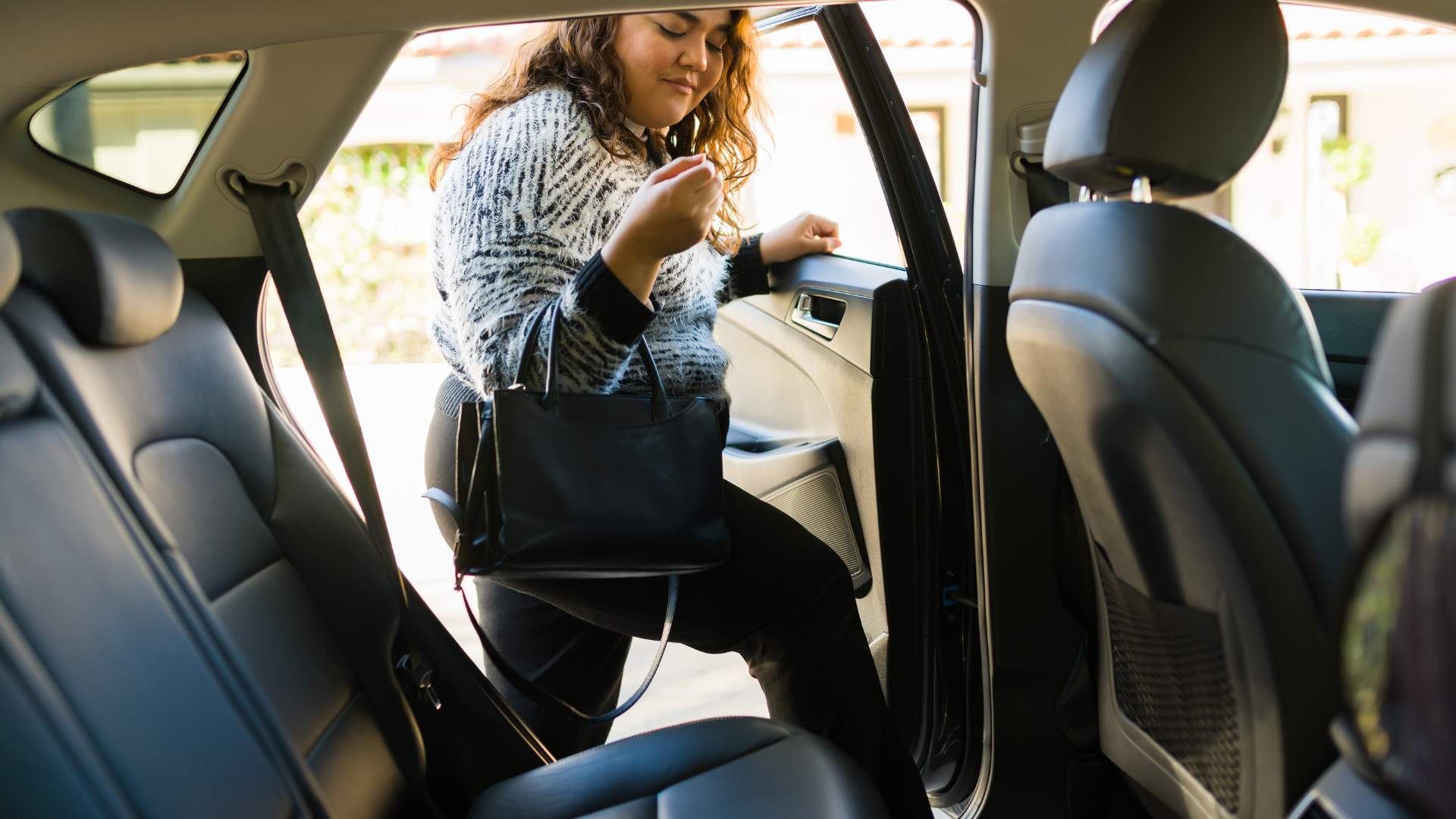
If you were injured in a rideshare collision, speaking with a Lyft accident lawyer in Houston as soon as possible can help protect your legal rights. Taking early action often preserves valuable evidence before it disappears or becomes more difficult to obtain. Additionally, prompt legal guidance helps you avoid common mistakes when communicating with insurance companies after the accident. Lyft accident claims frequently involve multiple insurance policies, making the process more complicated than many traditional car accident cases. Understanding your options early allows you to make informed decisions while focusing on your medical recovery and long-term financial well-being. An experienced attorney can also identify every potential source of compensation available under Texas law.
Recovering after a serious accident often feels overwhelming while managing medical treatment, missed work, growing expenses, and constant communication from insurance adjusters. At Lassiter Law, we understand these challenges and remain committed to helping injured clients navigate every stage of the legal process. We carefully investigate every case while working to identify all responsible parties and available insurance coverage. Our attorneys provide personalized guidance so you understand your rights and feel confident throughout your claim. We remain focused on pursuing the compensation you deserve while allowing you to concentrate on your recovery. Call us at (832) 937-4381 to discuss your situation with our team today.
How a Lyft Accident Lawyer in Houston Can Help After a Serious Collision

Lassiter Law understands the challenges injured victims face, and our Lyft accident lawyer in Houston provides experienced guidance throughout every stage of the claims process. We carefully investigate every collision, gather supporting evidence, and identify every available insurance policy that may provide compensation. Additionally, we explain your legal options in clear language so you can make informed decisions with confidence throughout your recovery. We understand that rideshare accident claims often involve unique legal issues that differ from traditional vehicle collisions. Our goal remains protecting your interests while pursuing the maximum recovery available under Texas law.
We recognize that every Lyft accident presents unique circumstances requiring personalized legal strategies rather than a standard approach. Therefore, we communicate regularly, answer important questions, and remain available whenever concerns arise throughout your case. We also negotiate aggressively with insurance companies that attempt to minimize legitimate claims or shift responsibility elsewhere. Furthermore, we carefully prepare every claim as though it may proceed to litigation if negotiations fail. Our commitment focuses on helping injured clients move forward with greater financial stability and peace of mind.
Investigating the Cause of the Lyft Accident
Every successful injury claim begins with a thorough investigation into how the collision occurred and who contributed to the crash. Gathering evidence quickly often strengthens a claim before important information disappears or becomes more difficult to obtain. Additionally, prompt investigations frequently uncover details that insurance companies might otherwise overlook. Understanding exactly what happened creates a stronger foundation for pursuing compensation.
Reviewing Police Reports and Accident Records
Official accident reports frequently provide valuable details about the collision, including witness information, roadway conditions, and preliminary fault determinations. While these reports do not always determine liability, they often provide an important starting point for further investigation. Additional documentation may reveal inconsistencies or clarify disputed facts. Reviewing every available record supports a more complete evaluation of the claim.
Official Reports Support Your Claim
Accident reports often provide valuable information that helps establish the circumstances surrounding a collision. Reviewing these records carefully strengthens case preparation.
Gathering Witness Statements
Independent witnesses often provide valuable observations that help explain how an accident occurred. Their statements may support other evidence while resolving conflicting versions of events. Collecting witness information early improves accuracy while memories remain fresh. Strong witness testimony frequently strengthens liability arguments.
Independent Witnesses Can Add Credibility
Objective accounts often reinforce important facts surrounding the collision. Reliable testimony may become valuable during settlement negotiations or litigation.
Preserving Electronic Evidence
Modern rideshare accidents frequently involve electronic records that help explain what occurred before and during a collision. Application data, GPS information, cellphone records, and vehicle technology may provide valuable evidence. Preserving these records quickly reduces the likelihood of losing important information. Electronic evidence often strengthens complex rideshare claims.
Digital Records Can Make a Difference
Technology frequently provides important evidence that supports liability and damages. Early preservation protects valuable information.
Determining Which Insurance Policy Applies
Insurance coverage often depends on whether the Lyft driver was waiting for a ride request, traveling to a passenger, or transporting someone. Each stage involves different insurance policies and coverage limits that may affect available compensation. Understanding these distinctions helps injured victims identify every possible source of financial recovery. Early legal analysis frequently prevents unnecessary delays during the claims process. Careful policy evaluation also helps avoid disputes between multiple insurance companies.
Understanding Lyft’s Insurance Coverage
Lyft provides insurance coverage under specific circumstances while drivers actively use the rideshare application. However, coverage amounts may change depending on the driver’s status immediately before the accident occurred. Reviewing every available insurance policy helps determine which company bears financial responsibility. Understanding these coverage differences allows injured victims to pursue compensation more effectively.
Coverage Depends on Driver Status
The driver’s activity within the Lyft application frequently determines which insurance policy applies. Every stage of the trip involves different coverage considerations.
Identifying Additional Insurance Policies
Some collisions involve multiple insurance carriers beyond Lyft’s coverage. Personal automobile insurance, commercial policies, or uninsured motorist coverage may also apply depending on the circumstances. Reviewing every available policy helps maximize potential compensation. Identifying additional coverage often reduces financial uncertainty after serious injuries.
Multiple Policies May Apply
Several insurance policies sometimes contribute toward a single claim. Evaluating every possibility strengthens financial recovery opportunities.
Investigating Third-Party Liability
Some accidents involve negligent parties beyond the Lyft driver. Another motorist, a commercial vehicle operator, a government entity, or a vehicle manufacturer may share responsibility for the collision. Identifying every liable party may significantly increase available compensation. Thorough investigations support stronger claims by uncovering every contributing factor.
Multiple Parties Can Share Fault
Several individuals or businesses may contribute to one accident. Evaluating every possibility helps protect injured victims’ legal rights.
Calculating the Full Value of Your Claim
Many accident victims underestimate the long-term financial effects of serious injuries. Compensation may include medical expenses, lost income, future treatment costs, pain and suffering, rehabilitation expenses, and diminished earning capacity. Carefully documenting every category of damages supports a more accurate claim. Comprehensive evaluations account for both immediate losses and future financial needs. Understanding the full value of a case helps prevent accepting inadequate settlement offers.
Accounting for Future Medical Expenses
Serious injuries sometimes require ongoing treatment long after emergency care ends. Future surgeries, rehabilitation, physical therapy, medications, and specialist appointments may create substantial financial burdens. Medical experts often help estimate anticipated treatment costs. Including future healthcare expenses prevents settlements from falling short of long-term needs.
Long-Term Care Matters
Future healthcare needs deserve careful consideration before accepting any settlement offer. Long-term planning supports financial stability.
Evaluating Lost Income and Earning Capacity
Injuries may prevent someone from returning to work immediately or permanently. Lost wages and reduced earning ability can significantly affect long-term financial security for injured individuals and their families. Proper documentation helps establish these economic losses through employment records and expert analysis. Accurate calculations strengthen settlement demands while reflecting the true financial impact of the accident.
Financial Losses Extend Beyond Medical Bills
Accident-related losses often include income disruptions alongside healthcare expenses. Every financial consequence deserves careful evaluation.
Considering Pain and Suffering
Not every loss involves a medical invoice or paycheck. Serious injuries frequently affect emotional well-being, daily activities, family relationships, and overall quality of life. Evaluating these non-economic damages creates a more complete picture of the accident’s impact. Comprehensive claims should reflect every consequence resulting from another party’s negligence.
Non-Economic Damages Matter
Physical pain and emotional hardship often continue long after visible injuries heal. These losses deserve meaningful consideration.
Negotiating With Insurance Companies
Insurance companies often begin investigations shortly after an accident while attempting to minimize financial exposure. Understanding how adjusters evaluate claims helps injured victims avoid common mistakes during negotiations. Strong preparation frequently improves settlement discussions while protecting important legal rights. Experienced representation also allows injured individuals to focus on recovery rather than complicated insurance disputes.
Responding to Settlement Offers
Early settlement offers rarely reflect the full value of serious injury claims. Carefully reviewing every offer helps determine whether additional negotiations remain appropriate. Accepting compensation too quickly may prevent recovery for future damages. Evaluating settlements thoroughly protects long-term financial interests.
Every Offer Deserves Careful Review
Settlement proposals should reflect both present and future losses. Careful evaluation supports informed decision-making.
Preparing for Litigation When Necessary
Most personal injury claims resolve through settlement negotiations, although some cases require litigation. Preparing thoroughly from the beginning often strengthens negotiations regardless of whether a lawsuit becomes necessary. Organized evidence and comprehensive documentation improve overall case presentation. Strong preparation frequently encourages more favorable settlement discussions.
Preparation Creates Leverage
Well-prepared cases often produce stronger negotiation positions. Thorough preparation benefits every stage of the claims process.
How Houston Rideshare Accident Claims Differ From Traditional Car Accident Cases
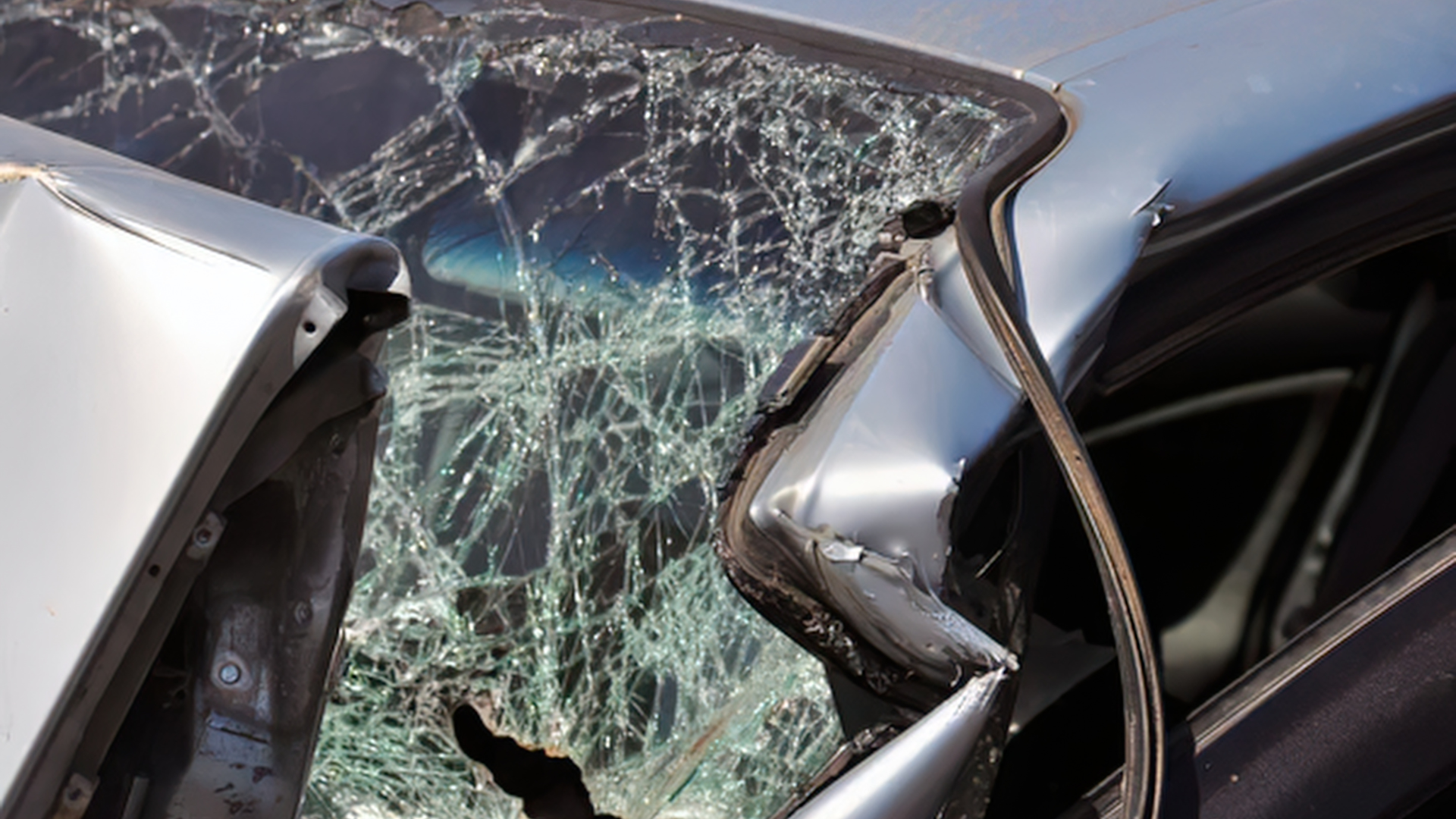
Rideshare accidents often involve legal and insurance issues that differ significantly from traditional motor vehicle collisions. Unlike standard crashes involving two private drivers, rideshare claims may include multiple insurance policies and several potentially responsible parties. Additionally, determining which insurance coverage applies depends on the Lyft driver’s status within the application at the time of the collision. Understanding these differences helps injured individuals make informed decisions while protecting their rights throughout the claims process.
Determining Which Insurance Coverage Applies
Insurance coverage following a rideshare accident depends on several important factors that do not exist in most traditional car accident cases. The driver’s activity before the collision frequently determines which insurance policy provides coverage for injuries and damages. Furthermore, multiple insurance companies may become involved while evaluating the same claim. Careful review of every available policy helps avoid unnecessary disputes and delays.
The Driver Was Not Using the Lyft App
If the driver was not logged into the Lyft application, the driver’s personal automobile insurance generally becomes the primary source of coverage. In these situations, the claim often proceeds similarly to a traditional car accident. However, policy limits and available benefits may differ depending on the driver’s insurance coverage. Reviewing every available policy remains an important part of the claims process.
Personal Insurance May Apply
Coverage often begins with the driver’s personal insurance policy when rideshare services were not actively being used. Every accident requires an individual evaluation.
The Driver Was Waiting for a Ride Request
Different insurance coverage may apply once the driver activates the Lyft application and begins waiting for a passenger request. Limited liability coverage often becomes available during this period under certain circumstances. Determining the driver’s exact application status frequently becomes an important issue during the investigation. Electronic records may help establish the applicable insurance coverage.
Driver Status Changes Coverage
The driver’s activity within the application frequently affects available insurance benefits. Accurate records help clarify which policy applies.
The Driver Was Transporting a Passenger
The highest level of rideshare insurance coverage generally applies while transporting a passenger or traveling to a scheduled pickup. Even so, determining liability may still involve several insurance companies and additional investigations. Understanding when enhanced coverage becomes available helps injured victims evaluate their legal options. Reviewing every available insurance policy supports a more complete claim.
Higher Coverage May Become Available
Insurance limits often increase while an active rideshare trip remains in progress. Policy reviews help determine available benefits.
Multiple Parties May Share Responsibility
Traditional car accidents frequently involve one negligent driver, although rideshare accidents sometimes include several responsible parties. Another motorist, a commercial vehicle operator, or even a government entity responsible for unsafe roadway conditions may contribute to the collision. Identifying every potentially liable party helps injured victims pursue more complete compensation. Thorough investigations frequently uncover important evidence supporting shared liability.
Another Driver May Have Caused the Collision
The Lyft driver is not always responsible for causing an accident. Another negligent motorist may have violated traffic laws or operated a vehicle carelessly before the collision occurred. Reviewing witness statements, surveillance footage, and accident reports helps clarify fault. Careful investigations support more accurate liability determinations.
Liability Depends on the Facts
Every collision presents different circumstances requiring careful analysis. Evidence often determines who bears legal responsibility.
Road Conditions May Contribute to the Accident
Poorly maintained roads, missing traffic signs, or defective traffic signals sometimes contribute to serious collisions. Government entities or contractors may bear responsibility when hazardous roadway conditions play a significant role. Investigating these factors helps identify every possible source of compensation. Comprehensive evaluations strengthen injury claims.
Roadway Hazards Can Affect Liability
Unsafe road conditions sometimes contribute to preventable accidents. Every contributing factor deserves careful investigation.
Electronic Evidence Plays a Larger Role
Rideshare accident claims often involve electronic records unavailable in traditional car accident cases. GPS information, trip records, application activity, and digital communications may provide valuable evidence regarding the driver’s status and movements. Preserving this information quickly helps protect important evidence before records become more difficult to obtain. Technology frequently provides critical details supporting liability and damages.
App Data Can Clarify Important Facts
Application records often confirm whether the driver accepted a ride request, transported a passenger, or remained available for new trips. These details frequently determine which insurance coverage applies after the collision. Reviewing digital records helps resolve important factual disputes. Accurate electronic evidence strengthens many rideshare claims.
Digital Records Support Investigations
Electronic information often provides objective evidence following a collision. Early preservation improves case preparation.
GPS Information Helps Reconstruct the Collision
Location data may help establish vehicle movements before, during, and after the accident. This information often supports witness statements while clarifying disputed events. Combining GPS records with additional evidence creates a more complete understanding of the collision. Thorough investigations frequently rely on multiple sources of information.
Technology Helps Explain What Happened
Digital evidence often provides valuable insight into how a collision occurred. Reviewing available records strengthens liability investigations.
Resolving Houston Rideshare Claims Can Take Longer
Claims involving rideshare companies frequently require additional investigation before settlement discussions begin. Multiple insurance carriers may review the same evidence while disputing responsibility or available coverage. As a result, these cases sometimes require more time than traditional automobile accident claims. Remaining patient while building a well-supported claim often improves long-term results.
Additional Investigations May Be Necessary
Complex rideshare claims often require reviewing insurance policies, electronic records, medical documentation, and witness statements before negotiations begin. Completing these investigations carefully helps reduce unexpected issues later. Thorough preparation supports stronger settlement discussions. Every step contributes to a more complete claim.
Preparation Supports Better Outcomes
Careful preparation helps strengthen claims involving complicated rideshare accidents. Organized evidence frequently improves negotiations.
Understanding Texas Laws That Affect Houston Lyft Accident Claims

Texas law establishes important rules that affect how injured individuals pursue compensation after a rideshare accident. While many Lyft accident claims follow the same legal principles as other motor vehicle collisions, additional issues often arise involving insurance coverage, liability, and evidence. Furthermore, understanding these laws helps injured victims make informed decisions while avoiding mistakes that could affect their financial recovery. Learning how Texas law applies to rideshare accidents provides valuable guidance throughout the claims process.
Texas Uses a Modified Comparative Fault Rule
Texas follows a modified comparative fault system when determining compensation after an accident. This rule allows injured individuals to recover damages if they are 50 percent or less responsible for the collision. However, any compensation awarded may be reduced according to the injured person’s percentage of fault. Understanding how comparative fault works remains an important part of evaluating any Houston Lyft accident claim. Careful investigation often helps minimize disputes regarding responsibility.
Fault Percentages Can Affect Compensation
Insurance companies frequently examine every detail of an accident while attempting to assign fault to everyone involved. Even small differences in fault percentages may significantly affect the amount of compensation available. Presenting strong evidence helps establish an accurate picture of how the collision occurred. Thorough documentation often supports more favorable outcomes during negotiations.
Every Percentage Matters
Small changes in fault allocations may have a meaningful financial impact. Strong evidence helps support fair liability determinations.
Evidence Plays an Important Role
Police reports, witness statements, surveillance footage, electronic records, and medical documentation often help establish liability. Collecting this evidence promptly reduces the risk of losing valuable information. Comprehensive documentation frequently strengthens both settlement negotiations and litigation. Every piece of evidence contributes to understanding the complete circumstances surrounding the accident.
Strong Documentation Supports Your Claim
Well-organized evidence helps explain how the collision occurred. Early documentation often strengthens injury claims.
Texas Law Requires Proving Negligence
Recovering compensation generally requires demonstrating that another party acted negligently and caused the accident. Negligence may involve distracted driving, speeding, failing to yield, reckless lane changes, or other unsafe conduct. Establishing these elements requires evidence showing both fault and resulting damages. Careful preparation helps support every aspect of the claim.
Duty of Care Applies to Every Driver
Every motorist operating a vehicle on Texas roads owes others a duty to drive responsibly. This duty includes following traffic laws while exercising reasonable care under existing road conditions. Violating these responsibilities may create legal liability when injuries occur. Understanding this legal standard helps explain how negligence claims develop.
Safe Driving Is a Legal Responsibility
Drivers must operate their vehicles responsibly under changing traffic conditions. Violating this duty may result in legal liability.
Proving Damages Is Equally Important
Showing that another driver acted negligently represents only one part of a successful claim. Injured individuals must also demonstrate how the accident affected their health, finances, and daily lives. Medical records, employment documentation, and expert opinions frequently help establish these losses. Comprehensive evidence supports more accurate compensation requests.
Damages Must Be Documented
Every financial and personal loss should be supported with appropriate documentation. Complete records strengthen the overall claim.
Insurance Requirements Can Be More Complex
Houston Lyft accident claims often involve insurance questions that extend beyond standard automobile accident cases. Coverage may depend on whether the Lyft driver was offline, waiting for a ride request, traveling to a pickup, or transporting a passenger. Each stage may involve different insurance obligations and policy limits. Understanding these distinctions helps injured victims identify available sources of compensation.
Personal Insurance May Still Apply
A Lyft driver’s personal automobile insurance policy may provide coverage under certain circumstances. Determining whether personal insurance applies depends on the driver’s activity when the accident occurred. Reviewing every available policy helps identify all possible coverage options. Comprehensive insurance analysis often reduces delays during the claims process.
Policy Reviews Prevent Overlooked Coverage
Evaluating every insurance policy helps identify available benefits. Multiple policies sometimes contribute to a single claim.
Rideshare Coverage May Supplement Other Policies
Texas law allows rideshare companies to provide insurance coverage during certain stages of a trip. These policies may supplement or replace personal coverage depending on the driver’s application status. Understanding when rideshare coverage applies helps injured individuals evaluate their legal options. Careful policy analysis often prevents unnecessary coverage disputes.
Coverage Depends on App Activity
The driver’s status within the Lyft application frequently determines available insurance coverage. Digital records often clarify this issue.
Texas Places Time Limits on Filing Injury Claims
Texas law generally limits the amount of time available to file a personal injury lawsuit after an accident. Waiting too long may prevent an injured person from pursuing compensation through the court system. Acting promptly also helps preserve evidence while improving the accuracy of witness recollections. Understanding important deadlines protects valuable legal rights.
Delays Can Affect Important Evidence
Physical evidence, surveillance footage, and witness memories may become more difficult to obtain over time. Beginning the investigation promptly often strengthens the overall claim. Preserving documentation early creates a stronger foundation for negotiations or litigation. Timely action benefits every stage of the legal process.
Early Action Protects Valuable Information
Important evidence becomes harder to obtain as time passes. Prompt investigations often strengthen injury claims.
Filing Deadlines Should Never Be Overlooked
Every accident presents unique circumstances that may affect applicable legal deadlines. Understanding these time limits helps injured individuals protect their ability to pursue compensation. Careful planning reduces unnecessary risks during the claims process. Remaining aware of important deadlines supports informed decision-making.
Legal Deadlines Matter
Missing important filing deadlines may affect available legal options. Understanding applicable timelines helps protect your rights.
Texas Law Allows Recovery for Many Types of Damages
Injured victims may recover compensation for several economic and non-economic losses following a Houston Lyft accident. Medical expenses, lost wages, rehabilitation costs, pain and suffering, and diminished earning capacity frequently represent important components of a claim. Evaluating every category of damages helps ensure that compensation reflects both immediate and future losses. Comprehensive damage assessments support stronger settlement discussions.
Economic Damages Address Financial Losses
Economic damages compensate injured individuals for measurable financial expenses resulting from the accident. Hospital bills, prescription costs, physical therapy, and lost income commonly fall within this category. Accurate financial documentation helps establish these losses. Organized records support more persuasive compensation demands.
Financial Records Strengthen Claims
Medical invoices and employment records help document accident-related expenses. Thorough documentation improves claim preparation.
Non-Economic Damages Reflect Personal Losses
Serious injuries often affect more than finances alone. Pain, emotional distress, physical limitations, and reduced enjoyment of daily life may significantly affect long-term well-being. Evaluating these damages creates a more complete picture of the accident’s impact. Every significant consequence deserves careful consideration.
Every Loss Deserves Evaluation
Not all damages appear on financial statements. Personal losses also contribute to the overall value of a claim.
Contact an Experienced Lyft Accident Lawyer in Houston Today

Serious Lyft accidents often leave victims facing medical treatment, financial uncertainty, and difficult legal decisions. Acting promptly helps preserve evidence while protecting your opportunity to pursue compensation under Texas law. Experienced legal guidance can simplify the claims process while allowing you to focus on your recovery. Reliable representation often provides valuable peace of mind during challenging circumstances.
Lassiter Law is prepared to help you understand your legal options while pursuing the compensation you deserve after a Lyft accident. We remain committed to providing personalized guidance and responsive communication throughout your case. Every client receives dedicated attention designed to support their individual needs and goals. Call us at (832) 937-4381 or reach out online today to schedule your free consultation.