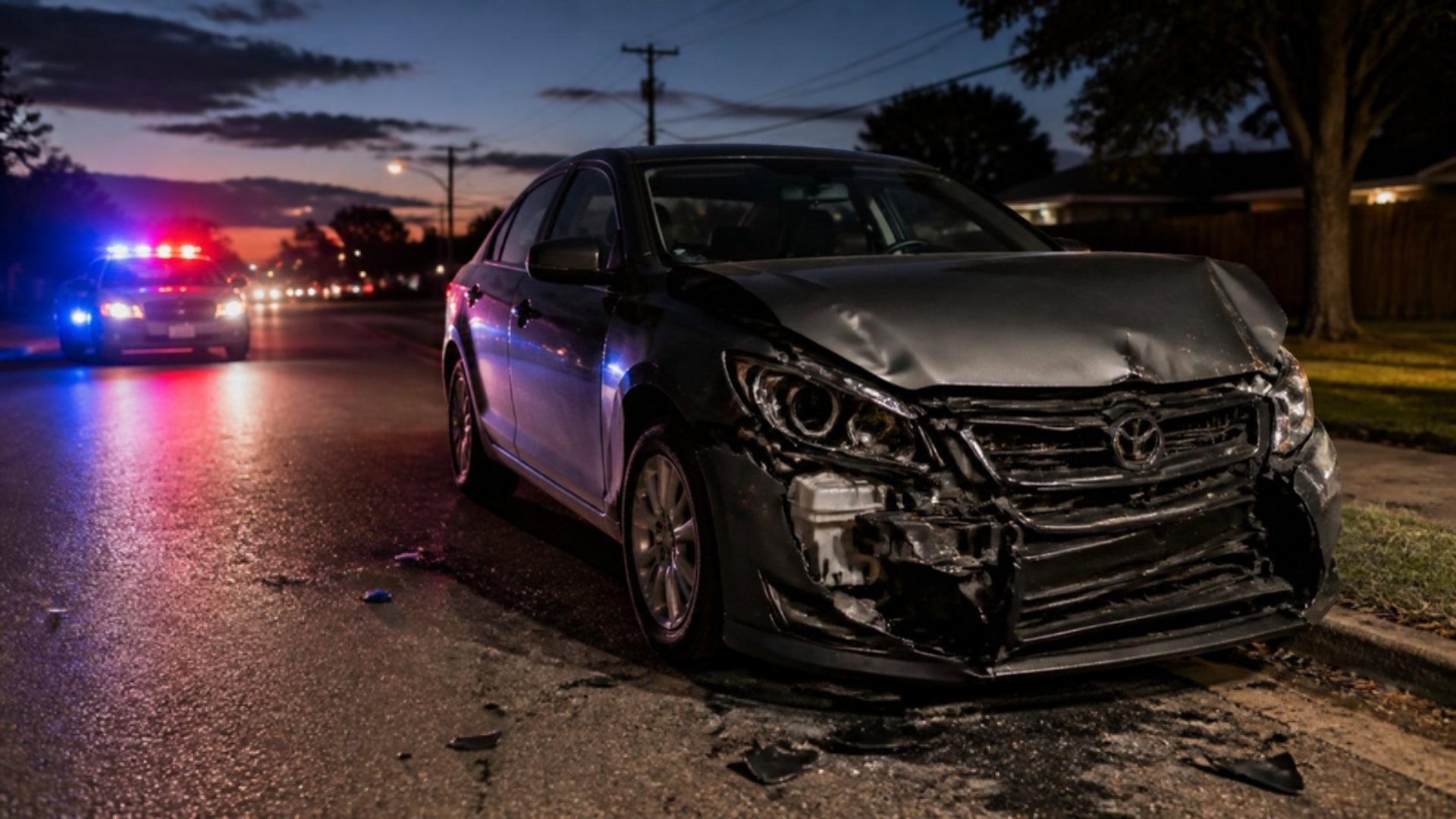
A Missouri City drunk driving accident lawyer looks past the drunk driver’s policy, which may carry only the $30,000 Texas minimum for each injured person. Next come your own underinsured motorist coverage, a bar that overserved the driver, and exemplary damages the Texas cap does not limit after intoxication assault. Each source turns on facts a lawyer must prove.
Lassiter Law Firm represents people hurt by impaired drivers in Missouri City and across Fort Bend County. The firm builds each case around every policy and every business that served the driver. For over 20 years, the Houston personal injury attorneys at Lassiter Law have fought tirelessly for injured Texans. James Lassiter is Board Certified in Personal Injury Trial Law by the Texas Board of Legal Specialization.
If a drunk driver hit you in Missouri City and the insurer quoted a policy limit, call Lassiter Law Firm at (832) 937-4381 for a free case review. The call costs nothing, and you decide what happens next.
Why a Missouri City Drunk Driving Accident Lawyer Starts With the Policy Limit
The first number that matters after a DWI crash is the drunk driver’s liability limit. It is the first thing the drunk driving accident attorneys at Lassiter Law Firm look for, because it caps the easiest money in the case. Texas lets a driver carry very little coverage, and a hospital stay after a serious crash can pass that figure quickly.
So what happens when your bills run past the limit? The claim does not end there. Texas law allows several other claims, each with its own rules and proof. This page covers them in the order a lawyer usually checks them.
What the Texas Minimum Policy Pays per Person
Transportation Code Section 601.072(a-1) sets minimum liability coverage at $30,000 for one injured person and $60,000 for everyone hurt in one crash. Property damage coverage starts at $25,000. If three people in your car were hurt, all three share the $60,000, and no one person can take more than $30,000. A drunk driver with a minimum policy can leave a gap as large as your medical bills. How large that gap is depends on your injuries and records, which a lawyer reviews before anyone puts a number on it.
Alcohol Crashes in Missouri City and Fort Bend County in 2024
TxDOT’s 2024 table of DUI alcohol crashes by city counts 30 of them inside Missouri City limits. Two of those crashes caused suspected serious injuries. TxDOT’s county table shows 286 DUI alcohol crashes in Fort Bend County that year, with 9 deaths and 27 suspected serious injuries. The city sits mostly in Fort Bend County, with a smaller piece in Harris County. State Highway 6, Texas Parkway, and Cartwright Road all run through it. The Fort Bend Toll Road and Beltway 8 cross the city too.
Your Own Underinsured Motorist Coverage After a DWI Crash
Here is the money people forget they already paid for. Your own auto policy may carry uninsured and underinsured motorist coverage, often called UM and UIM. Insurance Code Section 1952.101 bars an insurer from issuing a Texas auto policy without it unless a named insured rejects it in writing. No signed rejection means the coverage is on your policy.
Personal injury protection, called PIP, sits on the same policy and pays medical bills and lost income sooner. Section 1952.153 does not require an insurer to provide more than $2,500 per person, so your declarations page shows what you actually bought. Whether either coverage pays enough depends on your limits and your proof, which a lawyer checks line by line. Pull these documents before you talk to your own adjuster.
- Your declarations page lists your UIM and PIP limits.
- A signed rejection form, if one exists, shows what coverage you gave up.
- A letter from the drunk driver’s insurer confirms that driver’s liability limit.
- Medical bills and wage records show how far your losses exceed that limit.
Those four papers show a lawyer how much insurance money exists and how much is missing.
How Underinsured Coverage Picks Up Where the Driver’s Limit Ends
Underinsured coverage pays the gap between the drunk driver’s liability limit and your damages, up to your own limit. Say the driver carries $30,000 and your UIM limit is $100,000. Once the $30,000 is paid, your policy becomes the next payer for proven losses above it. The exact math depends on your policy language and your proven damages, so nobody should quote a figure before reading both.
Why Your Own Insurer Can Wait for a Judgment
The Texas Supreme Court decided Brainard v. Trinity Universal Insurance Co. in 2006. It held that an underinsured motorist insurer owes no contractual payment until the other driver’s liability and underinsured status are established. In practice, that usually means a judgment. Your own company can dispute the value of your injuries as hard as the drunk driver’s insurer does. Texas courts still apply that rule, so plan the UIM claim as a contested case from the start.
Can You Sue the Bar That Overserved the Driver in Missouri City?
Where did the driver drink before the crash? That one question can change a case. Chapter 2 of the Alcoholic Beverage Code, the dram shop law, lets you sue a bar that kept serving an obviously drunk customer. Lassiter Law Firm handles claims against bars that overserved drivers. The firm’s case results include a $3 million dram shop settlement. That result came from its own facts and does not predict another case’s value.
A bar or restaurant is a separate defendant, with its own assets and whatever insurance it bought. Section 2.01 defines a provider as anyone who sells or serves alcohol under a Texas license or permit, or who otherwise sells it. Proof disappears fast, so a preservation letter to the bar should name these records.
- The driver’s tab and receipts show what was ordered and paid for.
- Point-of-sale data shows when each drink was rung up.
- Surveillance video from inside the bar and the parking lot shows the driver’s condition.
- The staff schedule shows who served the driver that night.
- Seller training certificates show whether each server finished approved training.
The training certificates matter because of a defense covered below.
The Two Things Section 2.02 Requires You to Prove
Section 2.02(b) sets two elements. First, at the time of service, it had to be apparent that the driver was obviously intoxicated to the extent that he presented a clear danger to himself and others. Second, that intoxication had to be a proximate cause of your injuries. Both elements need evidence. The first one asks what the server could see, so the proof centers on the moment of service.
Showing the Driver Was Obviously Intoxicated at the Bar
The statute looks at what the server could see when the drink was poured. A breath or blood test taken an hour later helps, but it does not prove what the bartender saw. Slurred speech, stumbling, and spilled drinks are the facts that carry this element. Witnesses at nearby tables can describe them in ways a test cannot.
Tabs, Receipts, and Point-of-Sale Timestamps
A bar tab shows how many drinks were rung up and when. Point-of-sale systems stamp each order to the minute, so a lawyer can line up the drinks against the crash time. Six beers in ninety minutes tells a jury something a server’s memory will not. Ask for the full tab, including drinks the driver bought for friends.
Bar Video and the Arresting Officer’s Notes
Many bars run cameras over the register and the front door. That footage can show the driver’s condition during the last order. The arresting officer’s report adds field sobriety results and a description of the driver at the scene. Put the two side by side, and a lawyer can compare the driver at the bar with the driver at the roadside.
Proving the Intoxication Caused the Crash
The second element links the drinking to the collision. A drunk driver who ran a red light on Texas Parkway makes causation easier to show. A crash where another driver also made a mistake is harder, because the bar will argue something else caused it. Crash reconstruction, the police report, and the timeline from the bar tab work together here.
Defenses Bars Raise Under Texas Law
Expect the bar to push back on two fronts. One is a statutory safe harbor tied to server training. The other is a fight over percentages, where the bar asks the jury to blame the driver. Both can shrink what a bar pays, so a lawyer plans for them from the first letter. How each one plays out depends on the bar’s records and on how a jury weighs the evidence.
The Seller Training Safe Harbor in Section 106.14
Section 106.14 of the Alcoholic Beverage Code keeps an employee’s actions from being attributed to the employer if three conditions are met. The employer required staff to attend a commission-approved seller training program. The server actually attended. The employer did not directly or indirectly encourage the violation. Drink specials, sales quotas, or a manager who told staff to keep pouring can support an argument that the third condition fails.
Splitting Responsibility Between the Bar and the Driver
In F.F.P. Operating Partners, a 2007 dram shop decision, the Texas Supreme Court held that Chapter 33 proportionate responsibility applies to dram shop claims. The jury assigns one percentage to the bar and another to the drunk driver. A bar generally pays only its own share. Under Civil Practice and Remedies Code Section 33.013(b)(1), a defendant found more than 50% responsible is jointly and severally liable for all recoverable damages.
When Texas Lifts the Cap on Exemplary Damages for Drunk Drivers
Exemplary damages punish. They sit on top of the money that pays your bills and your pain. Civil Practice and Remedies Code Section 41.003 requires clear and convincing evidence of fraud, malice, or gross negligence. Driving drunk can support a gross negligence finding, but that finding is still the jury’s call.
Whether your facts meet that standard depends on evidence a lawyer weighs before asking for exemplary damages. Before any exemplary award, Texas law requires all of these.
- The evidence must be clear and convincing, a higher standard than an ordinary injury claim.
- Every juror must agree that the driver owes exemplary damages.
- The amount needs the same unanimous vote.
- Economic damages get their own separate finding under Section 41.008(a).
Miss one, and the exemplary award fails even if the rest of the case succeeds.
The Standard Cap Under Section 41.008(b)
Most Texas exemplary awards are capped. Section 41.008(b) limits them to the greater of two numbers. The first is two times economic damages, plus noneconomic damages up to $750,000. The second is $200,000. A judge applies that limit after the verdict comes in. Many summaries of Texas law stop right there. For a drunk driving crash that left someone seriously hurt, that is the wrong place to stop.
The Intoxication Assault and Manslaughter Exception
Subsection (c) of Texas Civil Practice and Remedies Code Section 41.008 turns the cap off for conduct described as certain Penal Code felonies. Intoxication assault under Section 49.07 and intoxication manslaughter under Section 49.08 are on that list. Most listed felonies must be committed knowingly or intentionally. The statute exempts those two intoxication offenses from that requirement, and both crimes happen by accident or mistake. Section 41.008(e) also bars anyone from telling the jury about the cap.
Serious Bodily Injury Separates DWI From Intoxication Assault
Penal Code Section 49.07 makes it intoxication assault to cause serious bodily injury while driving drunk in a public place. Serious bodily injury means injury that creates a substantial risk of death or causes serious permanent disfigurement. It also covers protracted loss or impairment of any bodily member or organ. A broken wrist that heals cleanly may not qualify. A spinal injury, a lost eye, or a brain injury with lasting deficits is a different story.
The Exception Turns on Conduct, Not a Conviction
Read Section 41.008(c) closely. It refers to conduct described as a felony, not to a conviction for one. The criminal case may end in a plea to a lesser charge. It may still be pending when your civil case is ready for trial. How a court applies the exception to your facts is something a lawyer has to assess, because the statute’s wording is only the starting point.
How Crime Victims’ Compensation Helps After a Missouri City DWI Crash
What if the driver had no insurance at all? The Texas Crime Victims’ Compensation program, run by the Office of the Attorney General, can pay certain costs after a DWI crash. Code of Criminal Procedure Chapter 56B treats driving while intoxicated, intoxication assault, and intoxication manslaughter as criminally injurious conduct. A person hurt by a drunk driver can apply even though the harm came from a vehicle.
Approval and the amount depend on your documents and the other money available to you. To keep the claim open, meet these conditions.
- File the application within three years of the crash, under Article 56B.052.
- Report the crash to law enforcement within a reasonable time, under Article 56B.053.
- Cooperate with the police and prosecutors handling the criminal case.
- List every insurance payment and other benefit you receive.
The cooperation requirement runs through the whole prosecution, not just the first week.
What the Program Pays and the $50,000 Limit
Article 56B.106 caps awards at $50,000 in the aggregate for a victim and other claimants. The attorney general may add up to $75,000 more for extraordinary loss when an injury is catastrophic and causes total and permanent disability. That extra money can go to lost wages, home health care, and long-term medical expenses. Family members can claim some losses too, including funeral travel and bereavement wage loss.
Why the Program Pays After Insurance and Lawsuits
The program is built to pay last. Article 56B.107 lets the attorney general reduce an award to the extent a collateral source pays the loss. Article 56B.003 counts insurance proceeds and money from third-party litigation as collateral sources. Under Article 56B.202, the state can step into your rights against those sources, up to the amount it paid you. Timing the application around your insurance claims is a judgment call a lawyer can help you make.
Who Writes the Report and Where a Missouri City DWI Case Is Filed
Missouri City sits mostly in Fort Bend County, with a smaller piece in Harris County. That split decides which courthouse can hear your case. Inside city limits, the Missouri City Police Department works the crash, whichever county the street is in. See the firm’s page for Missouri City personal injury attorneys for other local claims.
Texas gives you two years to sue. Civil Practice and Remedies Code Section 16.003 sets that deadline. In a fatal case, it runs from the date of death. The criminal case against the driver moves on its own schedule. Do not assume it pauses your civil deadline.
Missouri City Police Records on Cartwright Road
The Missouri City Police Department Records Division sits at 3849 Cartwright Road. The city takes requests for accident and offense reports through its online public records portal. The Texas crash report form, the CR-3, is also sold through TxDOT’s Crash Records Information System. Transportation Code Section 550.065 limits release to people directly concerned in the crash, and a copy costs $6. Outside city limits, a Fort Bend County Sheriff’s deputy or a state trooper may write the report instead.
Fort Bend or Harris County Depends on Where the Crash Happened
Civil Practice and Remedies Code Section 15.002(a)(1) lets you sue in the county where all or a substantial part of the events happened. The defendant’s home county can also qualify under the same section. For most Missouri City crashes, the choice is Fort Bend or Harris County. Check the county line against the crash location, not your mailing address. A bar in one county and a crash in another can create more than one proper venue.
Fort Bend County Justice Center in Richmond
Fort Bend County suits go to the District Clerk at the Fort Bend County Justice Center, 1422 Eugene Heimann Circle, Suite 31004, in Richmond. The clerk’s office keeps weekday hours of 8 a.m. to 5 p.m. and stays open through lunch. Because most of Missouri City lies in Fort Bend County, many local cases start here. The firm’s page on Fort Bend County personal injury claims explains how it handles cases there.
Harris County Civil Courthouse on Caroline Street
Harris County district court suits are filed at the Harris County Civil Courthouse, 201 Caroline Street in downtown Houston. The Harris County District Clerk handles those filings. Local Rule 3.1 assigns new cases among the civil district courts at random. Crashes on the Harris County side of Missouri City can land here. The firm’s page for Harris County personal injury attorneys covers those claims.
Questions Missouri City Families Ask After a Drunk Driver Hits Them
The four questions below come up often after drunk driving crashes in and around Missouri City. The answers are general Texas rules. The facts of your crash can move any of them, so treat each answer as a starting point for a conversation about your own case.
Can I Sue the Friend Who Hosted the Party Where the Driver Drank?
Usually not, if the driver was 18 or older. Section 2.03(c) makes Chapter 2 the only claim for serving alcohol to an adult. Chapter 2 covers licensed sellers and servers, plus anyone who otherwise sells alcohol. Section 2.02(c) does reach an adult who knowingly served a minor under 18.
Does the Drunk Driver Have to Be Convicted Before I Can Sue?
No. The civil case is separate from the criminal case and uses a lower standard of proof for ordinary damages. A conviction helps, but you do not have to wait for one to file.
What if a Drunk Driver Killed My Spouse or Parent?
Civil Practice and Remedies Code Section 71.004 gives a wrongful death claim to the surviving spouse, children, and parents. The two-year deadline runs from the date of death. Lassiter Law Firm’s wrongful death attorneys handle these claims for families.
Should I Give the Bar’s Insurance Company a Recorded Statement?
You have no contract with the bar’s insurer, and it is not on your side. Anything you say can be used to shift blame onto the driver alone or onto you. Talk to a lawyer before you agree to any recorded call.
Talk to a Missouri City Drunk Driving Accident Lawyer Before the Bar Video Is Gone
The driver’s policy limit is only the first number in a drunk driving case. Your UIM coverage and a bar that kept pouring can both add money. So can exemplary damages outside the cap. A Missouri City drunk driving accident lawyer checks each one while the evidence still exists.
Lassiter Law Firm starts with the bar tab, the police report, and your own policy. The firm has won more than $300 million for its clients. Every case turns on its own facts, and no one can promise an outcome.
Call Lassiter Law Firm at (832) 937-4381 for a free case review, or reach the team through the contact page. The office is at 3200 Southwest Freeway, Suite 3250, Houston, TX 77027, and it is open 24/7.
Bring the crash report number, your insurance declarations page, and the name of any bar or restaurant the driver visited. That is enough to start.