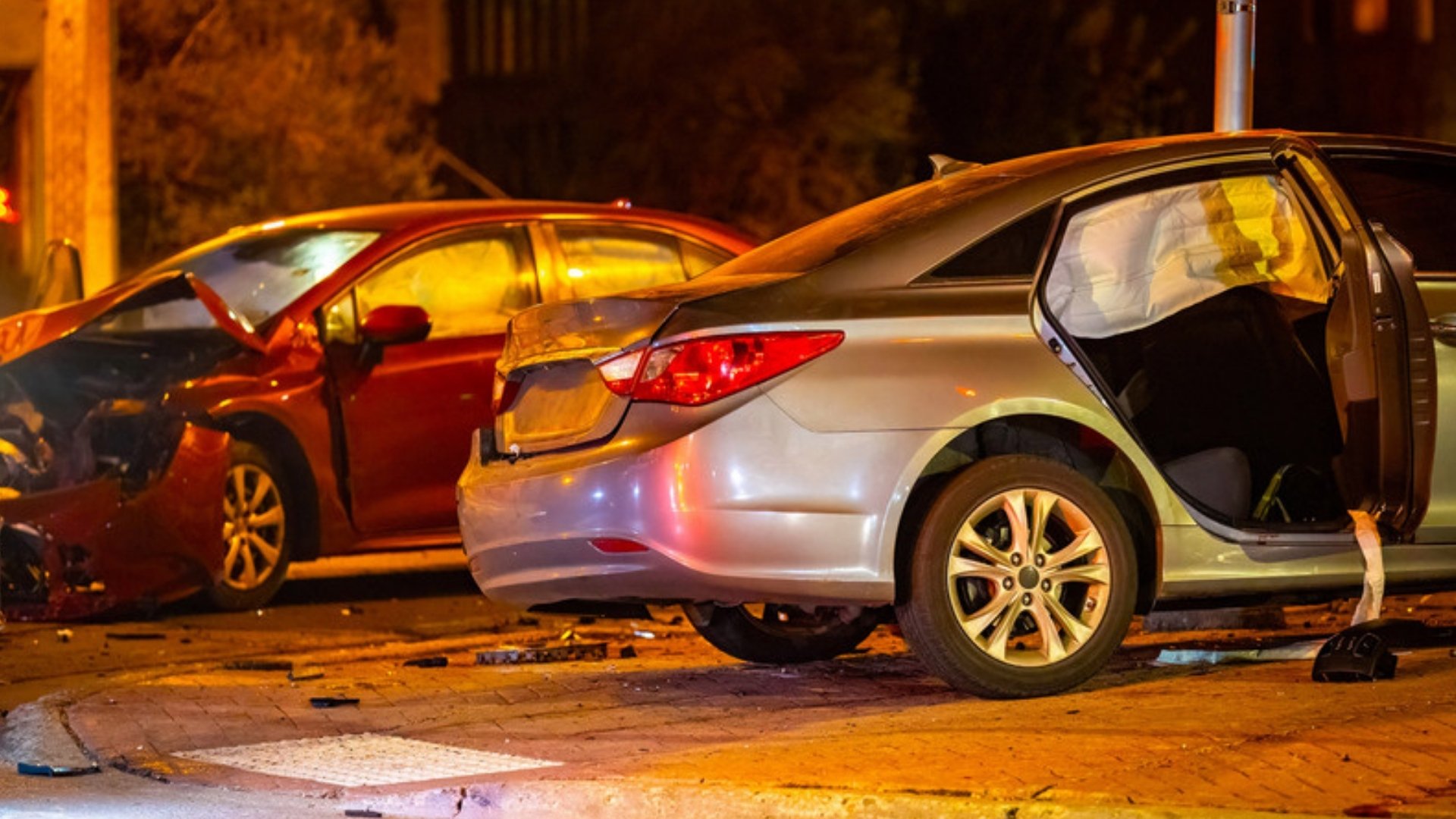
No. A League City drunk driving accident lawyer can file your injury claim while the DWI case is still open. Texas gives you two years to sue under Civil Practice and Remedies Code Section 16.003, and the criminal case does not pause that clock. A felony conviction can later be offered as proof in your case, but a misdemeanor DWI judgment usually cannot.
Lassiter Law Firm represents people hurt by impaired drivers in League City, whether the crash happened on the Galveston County side or the Harris County side. Founder James Lassiter is Board Certified in Personal Injury Trial Law by the Texas Board of Legal Specialization. He has spent over 26 years helping injured people and their families. The firm has won over $300 million for its clients, and each of those results came from its own set of facts.
Did a drunk driver hit you on I-45 or State Highway 3 in League City? Call Lassiter Law Firm at (713) 521-0104 for a free case review, even if the DWI case has barely started.
Can Your Injury Claim Move Forward While the DWI Charge Is Pending?
Yes. Your injury claim and the State’s DWI case are separate cases. Civil Practice and Remedies Code Section 16.003 says nothing about pausing your deadline for a prosecution. The two years run from the day the claim accrues, which is usually the day of the crash. That is why the drunk driving accident attorneys at Lassiter Law Firm open the civil file right away.
So how does the prosecutor’s timeline compare with yours? It can run longer, and nobody can promise when a given DWI case will end. Treat the limits below as outer limits, and let a lawyer measure your own deadline against the facts of your crash.
The State Can Indict After Your Civil Deadline Passes
Texas gives prosecutors more time on a felony than it gives you on an injury claim. Code of Criminal Procedure Article 12.01 sets a three-year limit for every felony it does not list elsewhere, and intoxication assault is not listed. Compare the clocks.
- Your injury suit is due within two years after the claim accrues under Section 16.003(a).
- A family’s wrongful death suit is due within two years of the death under Section 16.003(b).
- A misdemeanor DWI charge may be filed within two years under Article 12.02(a).
- An intoxication assault indictment may come up to three years after the crash under Article 12.01.
Wait for an intoxication assault verdict, and your civil deadline can close before the State even indicts. Whether any tolling rule stretches your deadline is a question a lawyer answers from your facts.
What Goes Missing While Everyone Waits for a Verdict
Evidence for a civil case does not wait for the criminal docket. Video from bars, gas stations and stores along I-45 can be recorded over. Witnesses move, and their memory of the driver’s speech and balance fades. Once your suit is on file, Texas Rule of Civil Procedure 205.1 lets your lawyer compel records from people who are not parties by subpoena.
Which Court Hears a League City DWI Case, and Where Does Your Claim Go?
Usually the county where the crash happened, and League City sits in two. The Census Bureau’s 2020 place-by-county file puts the city in both Galveston County and Harris County. Code of Criminal Procedure Article 13A.001, in effect since January 1, 2025, lets the State prosecute in the county where the offense was committed. The firm’s League City personal injury attorneys start each case by pinning down that spot.
Drunk driving crashes are not rare here. TxDOT’s 2024 table of DUI alcohol crashes by city counts 78 in League City, including 4 fatal crashes that killed 5 people. Interstate 45 and State Highway 3 both run through the city, according to the Handbook of Texas. The League City Police Department sits at 555 West Walker Street, and its Records Management Unit releases public copies of accident reports.
Crashes on the Galveston County Side of League City
League City is the largest city in Galveston County, according to the Handbook of Texas. Civil Practice and Remedies Code Section 15.002(a)(1) allows your civil suit there when the crash happened on that side. The firm’s Galveston County personal injury attorneys handle claims filed there. Government Code Section 44.184 makes the Galveston County Criminal District Attorney the State’s lawyer in the county’s criminal courts. Section 25.0862(b) keeps felonies out of its three statutory county courts, except as otherwise provided by law, so an intoxication assault case goes to a district court.
Crashes on the Harris County Side
If the crash happened on a stretch of League City inside Harris County, the case can go to Harris County instead. Government Code Section 43.180 directs the Harris County District Attorney to represent the State in criminal cases in that county’s district and inferior courts. Your civil suit could then be filed in Harris County under Section 15.002(a)(1), or in the driver’s home county under Section 15.002(a)(2). The firm’s Harris County personal injury attorneys file claims there.
Crashes Near the Galveston and Harris County Line
A crash close to the county line can be prosecuted on either side. Article 13A.053(a) allows prosecution in any of the counties when the offense was committed on or within 400 yards of their boundaries. Article 13A.054 adds another option when someone is hurt in one county and dies in another. The State may then prosecute where the injury happened or where the death occurred. That second rule can matter after a League City crash when the victim dies at a hospital in another county.
Does a DWI Conviction Prove the Case for a League City Drunk Driving Accident Lawyer?
Under the evidence rules, only a felony conviction does, and only under set conditions. Texas Rule of Evidence 803(22) lets a civil court admit a final judgment of conviction to prove facts essential to that judgment. The conviction must be for a felony. A misdemeanor DWI judgment falls outside the rule.
That surprises a lot of people. A DWI conviction feels like the end of the fault argument, yet the civil jury may never hear about the judgment itself. Whether a particular judgment qualifies is something your lawyer works out from the certified court record.
When a Felony Conviction Comes In Under Rule 803(22)
A felony judgment against the driver can carry real weight. Rule 803(22) treats it as an exception to the hearsay rule. The judgment can then be offered to prove facts the criminal court had to find, such as intoxication and the injury it caused. Two things decide whether you get there, the conditions in the rule and the charge the State filed.
The Four Conditions in Rule 803(22)
The rule lists its civil case conditions in Subdivision (A). Each one has to be met before the judgment comes in as proof. Miss one, and the judgment stays out under this rule.
- The judgment was entered after a trial or a guilty plea, not a no contest plea.
- The conviction was for a felony.
- The judgment is admitted to prove a fact essential to it.
- No appeal of the conviction is pending.
That last condition affects timing. A conviction still on appeal cannot be used this way until the appeal ends.
Serious Bodily Injury Decides the Charge Level
Whether the State can charge a felony usually turns on how badly you were hurt. Penal Code Section 49.07 makes it intoxication assault when an intoxicated driver causes serious bodily injury by reason of that intoxication. The statute defines that injury as one creating a substantial risk of death or causing serious permanent disfigurement. It also covers protracted loss or impairment of the function of any bodily member or organ.
Intoxication Assault Is a Third-Degree Felony
Section 49.07(c) makes intoxication assault a felony of the third degree, except where Section 49.09 enhances it. Penal Code Section 12.34 sets the range at 2 to 10 years in prison and a fine of up to $10,000. A conviction after a trial or a guilty plea can meet the felony condition in Rule 803(22).
Intoxication Manslaughter Is a Second-Degree Felony
When the crash kills someone, Section 49.08 applies, and the offense is a felony of the second degree. Section 12.33 sets that range at 2 to 20 years and a fine of up to $10,000. In a family’s wrongful death case, that conviction faces the same four conditions before it comes in.
How Each Kind of Plea Plays in Your Civil Case
A DWI case can end in a trial, a plea or a dismissal. The kind of plea the driver enters changes what your civil lawyer can use, so the plea papers deserve a close read. Texas Rule of Evidence 410 lists the pleas a civil court keeps out. The Code of Criminal Procedure adds its own protection for the driver.
A Guilty Plea Can Be Offered as the Driver’s Own Statement
Rule 410(a) keeps out a guilty plea that was later withdrawn, but not one that stands. A standing guilty plea is the driver’s own statement, and Rule 801(e)(2)(A) says a party’s statement offered against that party is not hearsay. The judge still rules on how it comes in, so your lawyer pulls the plea papers from the criminal court.
No Contest Pleas Under Article 27.02 and Rule 410
A no contest plea, also called nolo contendere, has the same legal effect as a guilty plea in the criminal case. Code of Criminal Procedure Article 27.02(5) says it may not be used against the driver as an admission in a civil suit growing out of the same act. Rule 410(a)(2) keeps it out of a civil case too, and Rule 410(a)(3) covers statements made during that plea proceeding.
Deferred Adjudication Ends Without a Conviction
An eligible DWI can end in deferred adjudication community supervision. Under Article 42A.101, the judge defers further proceedings without entering an adjudication of guilt. If the driver completes the supervision, Article 42A.111 requires the judge to dismiss the case and discharge the driver. That leaves no conviction for Rule 803(22) to reach.
The Plea Deal Does Not Set the Cap on Exemplary Damages
Civil Practice and Remedies Code Section 41.008(c) lifts the exemplary damages cap for conduct described as a felony in Penal Code Section 49.07 or 49.08. It looks at the conduct, not at the charge the prosecutor chose, so a plea down to DWI does not decide it. You still need clear and convincing proof and a unanimous jury under Section 41.003, judged on evidence a lawyer gathers. The firm’s post on money beyond the drunk driver’s insurance covers other sources of recovery.
Can the Drunk Driver Refuse to Answer Questions in Your Civil Case?
Yes, but the silence can cost the driver in a civil courtroom. Texas Rule of Evidence 513(a) normally bars any comment on a privilege claim and bars the fact finder from drawing an inference from it. Rule 513(c) says those protections do not apply to a party’s claim, in the civil case itself, of the privilege against self-incrimination. Most people call that taking the Fifth.
That puts the driver in a bind while the DWI case is open. Answer deposition questions about the drinking, and the answers sit on the record. Refuse, and your lawyer may be able to argue that the refusal means something. How much weight a jury gives it depends on the other evidence and the judge’s rulings.
How Do You Get the Police File From a League City DWI Arrest?
Start with the public pieces and use the civil case for the rest. The League City Police Department’s Records Management Unit provides public copies of accident reports, and its records page says complete reports require an open records request. Government Code Section 552.108 lets a police agency or prosecutor withhold crime records in several situations. A request made during an open DWI case may come back short.
That is one more reason not to wait for the verdict. A civil suit gives your lawyer subpoena power, which an open records request does not. What an agency releases, and when, depends on the case status.
Two Exceptions in Section 552.108 That Affect DWI Records
Section 552.108(a)(1) covers information whose release would interfere with the detection, investigation or prosecution of crime. That one fits an open DWI case. Section 552.108(a)(2) covers information about an investigation that did not result in conviction or deferred adjudication. So even after a dismissal, an agency can still claim an exception for the investigation file. Section 552.108(c-1) removes that exception when someone the file describes, other than a peace officer, has died or is incapacitated. A lawyer then turns to the civil case for the records.
Subpoenas Under Texas Rule of Civil Procedure 205
Once your suit is on file, Rule 205.1 lets a party compel discovery from a nonparty by subpoena. A police department or crime lab is a nonparty in your injury case. A subpoena for documents can name each record the open records route held back, such as these.
- The full crash report and any supplement the officer filed.
- Breath or blood test results and the lab’s chain of custody records.
- Body camera and dash camera video from the arrest.
- The officer’s narrative and field sobriety test notes.
The plea papers and the final judgment come separately, from the clerk of the court that heard the criminal case.
Does Restitution in the DWI Case Replace Your Injury Claim?
No. Code of Criminal Procedure Article 42.037 lets the sentencing judge order restitution, and for a personal injury it reaches expenses you incurred as a result of the offense. Pain and mental anguish are not expenses you incurred, so they fall outside that wording. A civil claim can reach them, and what it is worth turns on facts a lawyer has to review.
Restitution still touches your civil case in three ways, and each one affects the money you end up with. What it covers depends on the order the judge signs, which a lawyer reads line by line.
Bills Your Insurance Already Paid
Article 42.037(f)(1) bars restitution for a loss you have received or will receive compensation for only from a source other than the state’s crime victims fund. The court may instead order restitution to the person who paid you, to the extent that person paid. So if your health plan or auto insurer covered a bill, the restitution order may run to that payer rather than to you.
Restitution Paid Is Credited Against Your Civil Recovery
Article 42.037(f)(2) reduces any civil recovery from the driver by the restitution the driver already paid you. Nobody collects twice for the same dollar. Article 42.037(m) also lets a victim named in the order enforce it the same way as a civil judgment. Subsection (g) sets the latest date for the final payment, such as the end of the driver’s probation.
The Estoppel Rule in Article 42.037(l)
Article 42.037(l) adds a rule that ties the two cases together. A conviction for an offense involving the act that gave rise to restitution estops the defendant from denying the essential allegations of that offense in a later civil case the victim brings. The statute limits that effect to the extent consistent with state law. How far it reaches in your case is a question your lawyer briefs for the civil judge.
What Rights Do You Have in the League City DWI Prosecution?
You have the rights of a crime victim. Code of Criminal Procedure Article 56A.001 covers anyone who suffered personal injury or death from another person’s criminal conduct. In League City, the police department’s Victim Services program also provides a licensed social worker who explains those rights and other services.
These Chapter 56A rights come up most often after a DWI crash.
- On request, the prosecutor tells you about court proceedings at least five business days ahead, or otherwise as soon as reasonably practicable, under Article 56A.051(a)(3).
- The prosecutor gives you notice of the terms of any plea bargain going to the court, as far as reasonably practical, under Article 56A.453.
- Your victim impact statement is considered before sentencing or before a plea bargain is accepted, under Article 56A.051(a)(12).
- The victim assistance coordinator sends you the statement form and a crime victims’ compensation application under Article 56A.202(b).
None of these rights makes you a party to the criminal case. Article 56A.158 also lets the defense read your impact statement before sentencing, without your contact details. So describe your injuries the way your medical records do.
Questions About the DWI Case After a League City Crash
These are the criminal case questions people ask after a drunk driver hits them on I-45, State Highway 3 or a League City street. Each answer names the rule behind it, so you can check it against the papers you get from the criminal court.
Can You Still Recover if the Drunk Driver Is Acquitted?
Yes, an acquittal does not end your civil claim. Under Code of Criminal Procedure Article 38.03, a conviction requires proof beyond a reasonable doubt. Texas Rule of Civil Procedure 226a tells civil jurors to answer by a preponderance of the evidence unless told otherwise. The civil case then rests on its own evidence.
Can Every Texas DWI Driver Get Deferred Adjudication?
No. Article 42A.102(b) bars deferred adjudication for intoxication assault and intoxication manslaughter. It also bars it for a DWI when the driver held a commercial driver’s license or commercial learner’s permit, or had an alcohol concentration of 0.15 or more. A DWI enhanced under Penal Code Section 49.09 is barred too.
Is a DWI in a School Crossing Zone a Felony in Texas?
Yes, for an offense committed on or after September 1, 2025. Senate Bill 826 added Penal Code Section 49.04(e). It makes a DWI a state jail felony when the driver was in a school crossing zone while the reduced speed limit applied. A conviction on that charge is a felony conviction, so it can meet the felony condition in Rule 803(22).
How Long Does a Family Have After a Fatal DWI Crash in League City?
Two years from the date of death, under Civil Practice and Remedies Code Section 16.003(b). That clock runs whether or not an intoxication manslaughter case is pending. The firm’s wrongful death attorneys can explain who may bring the claim.
Talk to a League City Drunk Driving Accident Lawyer While the DWI Case Is Open
The DWI case belongs to the State. Your injury claim belongs to you, and its two-year clock is already running. A League City drunk driving accident lawyer can open the civil case now and use what the criminal case produces.
Lassiter Law Firm handles drunk driving crash claims from League City, Galveston County and the rest of the Houston area. Its office is at 3200 Southwest Freeway, Suite 3250, Houston, TX 77027, and it is open 24/7. Call (713) 521-0104 for a free consultation. You pay no fee unless the firm wins your case.
Would you rather write it out first? Send the crash date, the location and the criminal case number, if you have one, through the firm’s contact page. Past outcomes, like those on the firm’s case results page, do not predict the result in your case, and no lawyer can guarantee one.