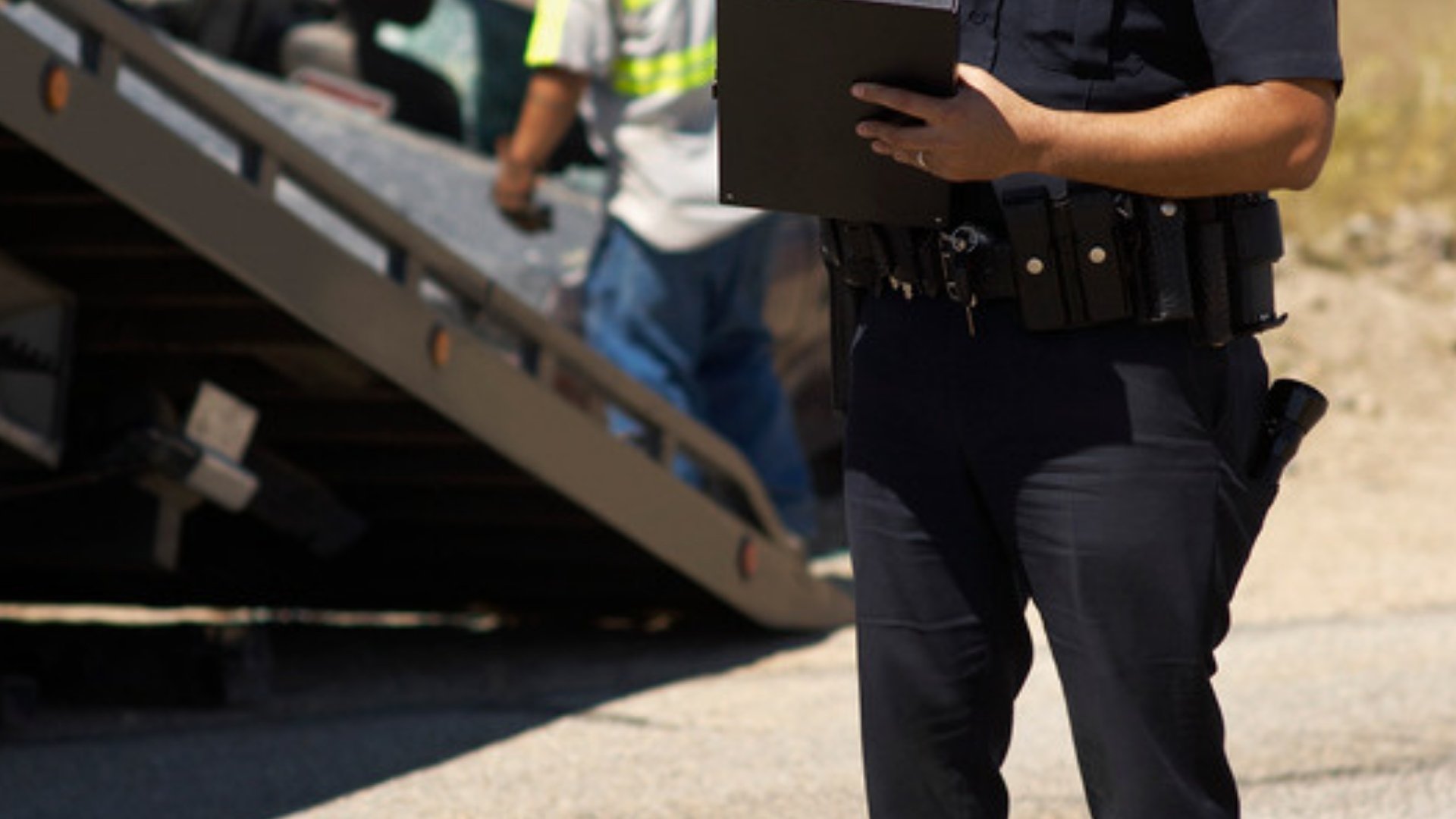
You get a Pearland police report, the Texas CR-3, from TxDOT’s Crash Records Information System, not from the police station. It costs $6, or $8 certified. A Pearland car accident lawyer orders the full copy rather than the redacted one, then checks the insurer, the fault codes, and the narrative for errors.
Lassiter Law Firm represents people hurt in car crashes in Pearland, across Brazoria County, and throughout the Houston area. Founder James Lassiter has spent more than 30 years helping injured people and their families. He is Board Certified in Personal Injury Trial Law by the Texas Board of Legal Specialization. The firm has recovered more than $300 million for its clients, and each of those results turned on its own facts.
Were you hurt in a wreck on Broadway, SH 288, or any other Pearland street? Call Lassiter Law Firm at (713) 521-0104 for a free case review, and ask about your crash report on that first call.
Where Do You Get a Pearland Car Accident Report Now?
You order it online from TxDOT. The Pearland Police Department’s online records page says the department no longer processes crash report requests or sells crash reports at the station. Every request goes to TxDOT’s Crash Records Information System, known as CRIS. The Pearland car accident lawyers at Lassiter Law Firm can order your report through that same system as your authorized representative.
One line on the department’s main police page still mentions in-person pickup for $6. The records page, which announces the change, says the opposite, so call ahead before you drive to Cullen Parkway.
The report lands in CRIS because state law sends it there. Transportation Code Section 550.062 requires the investigating officer to write a report when a crash injures or kills someone. The same duty applies when one person’s property has $1,000 or more in apparent damage. The officer must file it electronically with TxDOT by the 10th day after the crash. Gather these details before you search.
- Write down the crash date and the approximate time.
- Note the exact location, such as Broadway at Pearland Parkway or the SH 288 frontage road.
- Get the full name of at least one driver or another person involved.
- Keep a card ready for the $6 fee, or $8 for a certified copy, plus TxDOT’s online surcharge.
TxDOT emails the report once the purchase goes through. An empty search usually means the report is not filed yet. The Brazoria County Sheriff’s Office says its own reports can take up to 10 business days to appear.
Which Agency Wrote Your Report Depends on Where You Crashed
Pearland is not a one-county city. Most of it sits in Brazoria County, but portions reach north into Harris County, and a smaller piece extends west into Fort Bend County. A Pearland mailing address does not prove you were inside city limits either.
Transportation Code Section 550.026 sets the reporting map for a crash that injures someone or leaves a car unsafe to drive. Inside a city, the driver calls the local police department. Within 100 feet outside city limits, the call can go to the city police or the sheriff. Farther out, it goes to the sheriff’s office or the nearest Texas Department of Public Safety office. Each agency files its CR-3 with TxDOT, so CRIS should hold the report wherever it came from.
Crashes Inside Pearland City Limits
Pearland police normally work crashes anywhere inside city limits, whichever county the street sits in. That covers Broadway, which is FM 518, and Main Street, which is State Highway 35. It also covers Pearland Parkway and the neighborhood streets in between. The CR-3 records the county name in a required field and has a separate box for crashes outside city limits.
Crashes Just Outside the City Line
Step past the city limits and the officer can change. In unincorporated Brazoria County, a sheriff’s deputy or a DPS trooper may write the report. Friendswood and Manvel run their own police departments, so a crash across those lines draws their officers. The report still reaches CRIS under that agency’s name, so search by location and date. Check the agency name on your CR-3 before you ask anyone for a correction.
Why the County on Your Report Matters Later
The county field can point to the courthouse. Civil Practice and Remedies Code Section 15.002 lets an injury suit be filed in the county where all or a substantial part of the events happened. It also allows the county where an individual defendant lived when the claim arose. Which county fits your case, and whether a suit is needed at all, depends on facts a lawyer has to review.
Brazoria County Crashes Go to Angleton
Most Pearland crashes happen on the Brazoria County side, because most of the city sits there. A suit filed in that county goes to the Brazoria County district courts in Angleton, the county seat. The firm’s Brazoria County personal injury attorneys handle claims from Pearland, Alvin, Manvel, and the county roads between them.
Harris County Crashes Go to Downtown Houston
Pearland’s northern edge runs up toward Beltway 8, and that part of the city lies in Harris County. A suit from a crash there can be filed at the Harris County Civil Courthouse at 201 Caroline Street. The firm’s Harris County personal injury attorneys work those cases.
Fort Bend County Crashes Go to Richmond
A smaller slice of western Pearland sits in Fort Bend County. Those cases can be filed at the Fort Bend County Justice Center, 1422 Eugene Heimann Circle, in Richmond. The firm’s Fort Bend County personal injury attorneys handle them, and a wrong county on the report is worth correcting early.
What the Full Crash Report Shows That a Redacted Copy Hides
The full CR-3 names the other driver and that driver’s insurance company. The redacted copy does not. Under Transportation Code Section 550.065, TxDOT and the local agency must create a redacted report that anyone can request. It withholds names, driver’s license numbers, street addresses, and license plates. It also hides the insurer, the policy number, and where an injured person was taken.
Outside government agencies and courts, the full report goes only to people the statute calls directly concerned in the collision. TxDOT says other requesters receive a redacted copy. The statute’s list includes these people.
- Any person involved in the collision, including a driver or a passenger, can get the full copy.
- An authorized representative of a person involved, such as that person’s lawyer, can request it.
- The owner of a vehicle or other property damaged in the crash qualifies.
- An insurance company covering a vehicle or a person in the crash can buy it as well.
- Any person who may sue because the crash caused a death has the same right.
Choose the requester reason that fits you when you buy. A redacted copy leaves out the detail you need most to open a claim, the other driver’s insurer.
The Insurance Box Records What the Driver Showed
Each driver’s line on the CR-3 has a Proof of Financial Responsibility box marked Yes, No, Expired, or Exempt. TxDOT’s officer instructions say to copy the insurer’s name and policy number as they appear on the documents the driver presented. So a Yes tells you what the driver showed, and the insurer still has to confirm the policy covered that day. A No or Expired entry points toward your own uninsured motorist coverage, which Insurance Code Section 1952.101 includes unless you rejected it in writing. The firm’s uninsured car accident lawyers handle that next step.
Charges and Citation Numbers on the Report
The Charges section lists each charge filed for the crash, tied to a unit and a person, with the agency’s citation number. When charges come later, the instructions call for a supplement report to add them. A ticket for following too closely can help your claim. It is still not a civil finding of fault, and the other driver can fight it in court.
How Do You Read the Codes on a Texas CR-3?
Match each number to TxDOT’s CR-3 code sheet, which the department publishes with its officer instructions. Read the contributing factor codes first, since most fault arguments start there. Then read the injury codes, because they shape how an adjuster first sizes up the claim. Keep the code sheet open beside the report as you go.
The codes never use your name. The report gives every vehicle a unit number and every person a person number. Codes, charges, and injuries all hang on those numbers. Find your own unit first, and every other entry becomes easier to follow.
The Opinion Sections of a CR-3
Two parts of the report carry the officer’s view of how the crash happened. TxDOT’s officer instructions title the contributing factors block “Investigator’s Opinion” outright. The same manual titles the narrative field “Investigator’s Narrative Opinion of What Happened” for every crash. Neither one is a finding by a judge or jury. Both are still the first thing an adjuster reads.
Contributing and May Have Contributed Codes
The officer lists up to three contributing factors for each unit, ranked by weight, with Factor 1 as the primary cause. Common codes include 20 for Driver Inattention, 22 for Failed to Control Speed, and 44 for Followed Too Closely. A separate May Have Contributed block records a condition the officer saw but could not tie to the crash. A code there is not a fault opinion.
The Narrative and the Field Diagram
The narrative is a required field where the officer describes the crash in up to 12,000 characters. The field diagram sits beside it and sketches the scene. Officers also use the narrative to explain facts the codes cannot show. Read the two together, because the codes often make sense only after you read the officer’s account.
Finding Your Unit Number
TxDOT’s instructions tell officers not to use names, license numbers, or vehicle makes in the narrative. Officers write Unit 1 and Unit 2 instead. Find your unit on the front page first, then trace every sentence about it, because a swapped unit number can flip the account.
Reading a Diagram Drawn Not to Scale
The form marks the field diagram as not to scale. It shows lanes, directions, and where each unit stopped, not measured distances. A diagram that puts the impact in the wrong lane is still worth disputing with photos and video.
Injury Codes Reflect What the Officer Saw at the Scene
Each person gets one injury code. A means suspected serious injury, B suspected minor injury, and C possible injury, which covers limping or a complaint of pain. K marks a death at the scene or within 30 days, and N means not injured. Neck pain or a concussion that surfaces the next morning can sit under an N or C. What that code means for your claim depends on medical records a lawyer has to review.
Can You Fix a Mistake in a Pearland Police Report?
Yes, through the officer or a written supplement. Transportation Code Section 550.068 says only the peace officer who prepared the report may change a material fact in it. A change by anyone else must come as a written supplement that names the person who originated it. For a Pearland crash, ask the agency that wrote the report, not TxDOT.
TxDOT’s instructions treat a supplement as a new, complete report marked as a supplement, not as an edit to the original. Bring proof when you ask for one.
- Mark each error on a copy of the CR-3 so the officer sees exactly what is wrong.
- Carry your insurance card, registration, or license if the report lists one of them incorrectly.
- Show photos or video of where the cars stopped and how the intersection looked.
- List the names and phone numbers of witnesses the officer never interviewed.
Factual Errors an Officer Can Correct
Plain factual errors are the easiest fixes. A misspelled name, a wrong plate, the wrong insurer, or the wrong county all fall in this group. So does a direction of travel that does not match the street, such as a westbound car where you were heading east on Broadway. Documents usually settle these quickly. Ask for a copy of the supplement once the officer files it.
Disagreements Over the Officer’s Fault Opinion
An opinion is harder to change than a fact. Nothing in Section 550.068 requires an officer to revise a contributing factor because you disagree. New evidence can still move it, such as a missed witness or camera footage from a business along Broadway or Pearland Parkway. Whether a supplement changes how your claim plays out depends on evidence a lawyer reviews.
Does the Police Report Decide Fault in a Texas Car Accident Claim?
No. Under Civil Practice and Remedies Code Section 33.003, the trier of fact decides each person’s percentage of responsibility. Section 33.001 bars recovery only when your share is greater than 50%. The officer’s opinion still shapes the adjuster’s first look at the claim. How fault splits in your crash turns on evidence a lawyer has to weigh.
One answer on the report can never come in as evidence at a civil trial. The CR-3 asks every person whether they want solicitation offers from lawyers, chiropractors, and other providers. Transportation Code Section 550.066 makes that answer inadmissible. The rest of the report reaches a jury only as far as the Texas Rules of Evidence allow.
What if No Officer Wrote a Report for Your Crash?
Then there is no CR-3 to buy, and TxDOT no longer takes a driver’s report in its place. TxDOT’s crash reports and records page says that under Senate Bill 312, TxDOT stopped keeping the Driver’s Crash Report, Form CR-2, effective September 1, 2017. Advice to mail in a blue form within 10 days is out of date.
Section 550.041 says an officer “may” investigate, so some minor crashes never get one. A report is required under Section 550.062 only for an injury, a death, or $1,000 in apparent damage to one person’s property. Every driver in an injury crash still owes the others a name, an address, the registration number, and the insurer under Section 550.023. Get those details, photograph both cars, and ask TxDOT for its $6 certification that no report is on file if you need proof later.
How a Pearland Car Accident Lawyer Uses the Report Before the Two-Year Deadline
The report is where a claim starts, not where it ends. Civil Practice and Remedies Code Section 16.003 gives you two years from the day of the crash to file an injury lawsuit. The car accident attorneys at Lassiter Law Firm use that time to test the CR-3 against other proof.
- The firm orders the full CR-3 as your authorized representative and gets a certified copy when a court will need one.
- It sends notice to the insurer named in the financial responsibility box and confirms the policy was active.
- It contacts witnesses and asks businesses near the crash site for camera footage before it is erased.
- It compares the injury codes with your medical records so an early N or C code does not define the claim.
When the report is wrong, the firm asks the investigating agency for a supplement and builds proof that does not lean on the officer’s opinion. Past outcomes, like those on the firm’s case results page, do not predict the result in your case.
Quick Answers on Pearland Crash Reports and Claims
These are the report questions Pearland drivers ask most after a wreck, whether the street sits in Brazoria, Harris, or Fort Bend County. Each answer stands on its own, so skip to the one you need. For other injury cases in the city, see the firm’s Pearland personal injury attorneys page.
Can I Pick Up My Crash Report at Pearland Police Headquarters?
Not according to the department’s online records page, which says it does not release or sell crash reports at the station. Order the report through TxDOT’s CRIS instead.
How Much Does a Texas Crash Report Cost?
Transportation Code Section 550.065 sets the fee at $6 for a regular copy and $8 for a certified copy. TxDOT adds a small surcharge for online purchases.
Can the Other Driver’s Insurance Company Get My Crash Report?
Yes. Section 550.065 lets an insurer that covers a vehicle or a person in the crash buy the full report. Assume the adjuster has read it before the first call.
Can a Family Member Get the Report After a Fatal Pearland Crash?
Yes. Section 550.065 includes any person who may sue because the crash caused a death. TxDOT keeps crash reports for 10 years plus the current year, but the two-year deadline to sue runs far sooner.
Talk to a Pearland Car Accident Lawyer About What Your Report Says
A crash report can open a claim cleanly or slow it down for months. Maybe you were hurt in Pearland and the report gets your lane, your insurer, or your injuries wrong. A Pearland car accident lawyer can sort out what needs correcting and what needs proof.
Lassiter Law Firm handles car crash claims from Pearland, Brazoria County, and the rest of the Houston area. Its office is at 3200 Southwest Freeway, Suite 3250, Houston, TX 77027. Call (713) 521-0104 for a free consultation at any hour, day or night.
Would you rather write it out first? Send the details through the firm’s contact page, with your crash date and the agency that responded. A lawyer can then tell you what the report means for your claim.