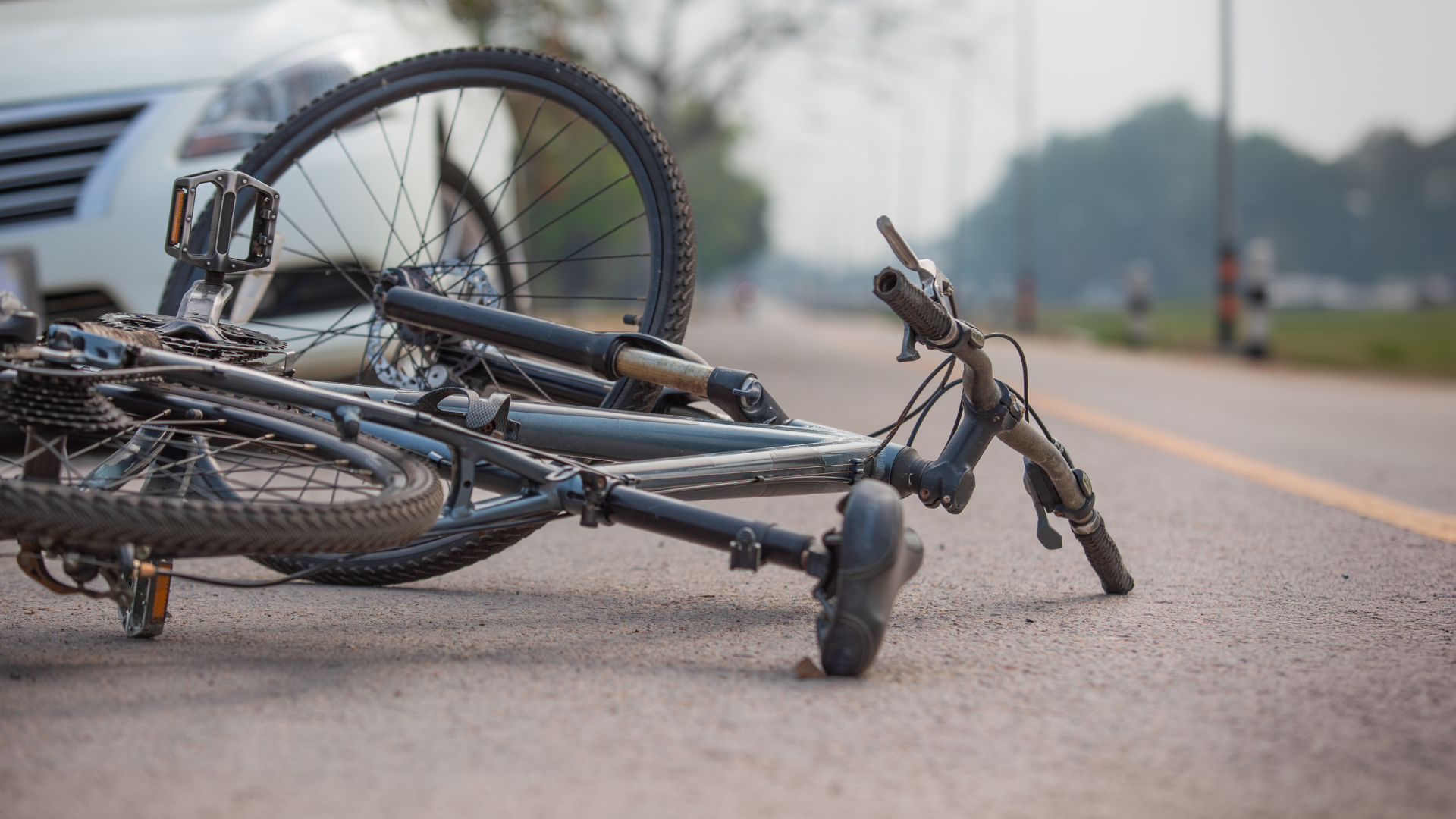
A man believed to be around 50 years old was killed Thursday night after being struck while pushing his bicycle in northeast Houston, according to ABC 13 News. The fatal incident occurred in the 9000 block of Jensen Drive around 8:15 p.m., when the victim was crossing the street outside a designated crosswalk and was hit by a passing vehicle. The driver stayed on the scene, showed no signs of intoxication, and cooperated with police. Paramedics pronounced the man dead at the scene, and authorities have not yet released his identity as they continue their investigation.
There are many areas of Northeast Houston that have blind spots that make it challenging for passing drivers to always spot pedestrians and bicyclists. Poor lighting, wide roadways, and limited crosswalk access can significantly increase the risk of serious injury or death, especially during nighttime hours when visibility is reduced. This tragic incident underscores how vulnerable pedestrians and bicyclists can be when navigating busy streets and how quickly a moment of inattention can lead to irreversible consequences. At Lassiter Law, we recognize the profound impact these fatal collisions have on families who are left grieving and searching for answers. Our team is committed to helping accident victims and their families understand their legal options. If you or someone you love has been affected by a fatal pedestrian or bicycle accident in the Houston metro, call us today at (832) 937-4381 and find out how we can help.
Why Legal Guidance Is Critical After a Northeast Houston Bicycle Crash
After a Northeast Houston bicycle crash, the legal and factual questions surrounding what happened can quickly become complex, and at Lassiter Law, we understand how overwhelming this period can be for injured cyclists and grieving families. These cases often involve detailed investigations into driver behavior, roadway conditions, lighting, visibility, and whether traffic laws were followed. We work to gather evidence, review police reports, and identify contributing factors that may not be immediately apparent, ensuring that the full circumstances of the crash are carefully examined.
We also recognize that bicycle crashes frequently leave victims facing serious injuries, mounting medical bills, lost income, and long-term physical or emotional challenges. Our role is to help protect our clients’ interests by navigating insurance issues, addressing disputes over fault, and pushing back when responsibility is unfairly shifted onto a bicyclist. By taking on the legal burden, we aim to provide clarity and stability during an uncertain time, allowing those affected to focus on healing while we work to pursue accountability through the legal process.
What to Do After a Northeast Houston Bicycle Crash
Taking the right steps after a Northeast Houston bicycle crash can significantly protect both your health and legal interests. The moments following a collision often feel overwhelming, which makes having a clear plan especially important. By acting thoughtfully and methodically, injured bicyclists can reduce confusion and avoid mistakes that may affect recovery. Additionally, these steps help preserve valuable information that may become critical later.
Prioritize Your Health and Safety
Your physical well-being should always come first after a bicycle crash, even when injuries seem manageable initially. Many crash-related injuries develop gradually, which makes early evaluation especially important for long-term health. Prompt medical care allows providers to identify internal injuries, concussions, or soft tissue damage before complications arise. Additionally, early treatment creates clear medical records that connect your injuries directly to the crash. These records often become important when questions arise later.
Get Evaluated Even if Injuries Seem Minor
Some bicycle crash injuries do not cause immediate pain or visible symptoms, which can create a false sense of relief. Head injuries, internal trauma, and soft tissue damage may appear hours or days later. Receiving a medical evaluation helps rule out hidden injuries that could worsen without treatment. Early documentation also helps establish an accurate timeline of symptoms and care. This step supports both your recovery and future clarity.
Follow Through With Ongoing Treatment
After initial treatment, following all medical recommendations remains essential for proper recovery. Attending follow-up appointments helps providers monitor healing and adjust treatment plans when needed. Consistent care also shows that you are actively addressing your injuries. This ongoing documentation helps demonstrate how the crash continues to affect your daily life. Clear records can reduce disputes later.
Report the Crash to Law Enforcement
Reporting the crash to law enforcement creates an official and objective record of the incident. Officers can document vehicle positions, roadway conditions, and surrounding factors that may not remain visible. They may also speak with witnesses and involved parties at the scene. This information helps establish key facts early. An official report often reduces confusion during later reviews.
Request a Copy of the Police Report
Once the police report becomes available, obtaining a copy is an important next step. Reviewing the report allows you to confirm that names, locations, and details are accurate. If you notice errors, addressing them early can help prevent confusion. The report often serves as a foundational reference. Having your own copy supports organization.
Cooperate Without Speculating
When speaking with officers, provide honest and factual information about what you observed. Avoid guessing about speed, fault, or causes if you are uncertain. Speculation can unintentionally create inconsistencies later. Clear and concise responses help officers document the incident accurately. This approach supports clarity throughout the process.
Preserve Evidence From the Scene
Preserving evidence soon after the crash can significantly strengthen your understanding of what occurred. Physical evidence and visual details often disappear quickly due to traffic or cleanup. Acting early helps capture conditions as they existed at the time. This information may later help resolve disagreements. Early preservation supports accuracy.
Take Photos and Videos if Possible
Photographs and videos can capture details that written descriptions may miss. Images of the roadway, vehicle positions, bicycle damage, and injuries provide useful context. Including lighting conditions and traffic signs adds additional clarity. These visuals often help others understand the scene. Clear images support accurate evaluation.
Collect Witness Information
Witnesses can provide independent perspectives that help clarify how the crash happened. Gathering names and contact information preserves access to these accounts. Witness statements may support facts that are otherwise disputed. Independent observations often carry added credibility. Early collection prevents lost connections.
Be Careful When Dealing With Insurance Companies
Insurance companies often contact injured bicyclists shortly after a crash occurs. Their representatives may appear helpful while seeking information that limits responsibility. Therefore, careful communication is important during early conversations. Thoughtful responses help protect your interests. Taking time reduces unnecessary complications.
Avoid Giving Recorded Statements Too Soon
Recorded statements can be misunderstood or taken out of context later. Even accurate answers may sound inconsistent without full information. Waiting until you understand your situation allows for clearer communication. This approach helps prevent misinterpretation. Caution supports better outcomes.
Do Not Accept Quick Settlements
Early settlement offers often occur before injuries fully reveal their impact. Accepting too quickly may prevent recovery of future expenses. Allowing time helps clarify medical needs and financial losses. Careful consideration leads to more informed decisions. Patience protects long-term interests.
Organize and Maintain Important Records
Keeping organized records helps show how the crash affected your life over time. Documentation reduces stress when questions arise later. Organized materials also create a clear timeline of events and treatment. Preparation helps maintain control during recovery. Consistency supports clarity.
Track Medical Expenses and Treatment
Saving medical bills, prescriptions, and appointment summaries creates a complete record of care. These documents help show the financial impact of injuries. They also reflect treatment progress and ongoing needs. Organized records reduce confusion. Clear tracking supports understanding.
Document Lost Income and Daily Challenges
If injuries limit your ability to work or perform daily activities, documenting those changes is important. Notes about missed work and physical limitations provide helpful context. This information shows how the crash disrupted your routine. Detailed records help present a fuller picture. Consistent documentation strengthens accuracy.

Why Liability Can Be Disputed After a Northeast Houston Bicycle Crash
Determining fault after a Northeast Houston bicycle crash is often far more complicated than it may initially appear. Several factors can influence how liability is assigned, especially when drivers, bicyclists, witnesses, and insurance companies provide conflicting accounts. These disagreements frequently slow the claims process and add stress for injured riders and their families. Understanding why liability disputes arise helps explain the need for careful investigation and detailed case evaluation from the start.
Conflicting Accounts of How the Crash Occurred
Disagreements commonly arise over the basic facts surrounding a bicycle crash. Drivers, bicyclists, and witnesses may remember events differently, particularly when the collision happens suddenly or at night. Stress, shock, and limited visibility can affect how individuals perceive speed, distance, and movement. These conflicting recollections can create uncertainty during investigations and allow liability to remain contested.
Differences Between Driver and Cyclist Perspectives
Drivers often state that they did not see the bicyclist before the collision occurred. In contrast, cyclists may explain that they were riding lawfully and were clearly visible at the time. These opposing perspectives can significantly complicate fault determinations, especially when no video footage is available. A careful review of physical evidence often helps determine which account aligns more closely with the facts.
Limited or Inconsistent Witness Statements
Witness testimony can play an important role, yet it is not always reliable or complete. Some witnesses may leave the scene before speaking with law enforcement, while others may have obstructed or distant views. In some cases, statements may conflict with one another. These gaps allow insurance companies to question responsibility and delay resolution.
Disputes Over Traffic Laws and Right-of-Way
Traffic laws governing bicycles are frequently misunderstood by drivers and insurers alike. This confusion can result in improper blame being placed on cyclists after a Northeast Houston bicycle crash. Insurance companies may take advantage of this uncertainty to argue that a cyclist acted improperly. Clear legal interpretation of traffic laws becomes essential in these situations.
Misunderstanding Bicycle Rights on Houston Roadways
Bicyclists generally have the same rights and responsibilities as motor vehicle drivers. However, many drivers mistakenly believe cyclists should not be on certain roads or must always stay out of traffic lanes. These incorrect assumptions often fuel liability disputes. Proper legal analysis helps clarify where cyclists are permitted to ride and how right-of-way rules apply.
Allegations of Cyclist Violations
Insurance companies may claim that a cyclist failed to obey traffic signals, lane markings, or other roadway rules. These allegations do not always reflect the actual conditions present at the time of the crash. Reviewing signage, road design, and timing can help determine whether such claims are valid. Objective evidence often provides critical clarification.
Road Conditions and Environmental Factors
Roadway design and environmental conditions often play a significant role in bicycle crashes. Poor lighting, uneven pavement, faded markings, and obstructed views can all increase collision risk. These factors may shift liability or create shared responsibility. Insurance companies often minimize the impact of roadway conditions when evaluating fault.
Poor Visibility and Lighting Issues
Low lighting conditions can significantly reduce reaction time for both drivers and cyclists. In Northeast Houston, some roadways lack adequate street lighting or reflective markings. These conditions make it harder for drivers to spot bicyclists, especially at night. Visibility issues frequently become central points in liability disputes.
Hazardous Road Design or Maintenance
Potholes, debris, narrow lanes, and poor maintenance can force cyclists into dangerous positions. Sudden swerves or loss of control may result from these hazards. In some cases, responsibility may extend beyond the driver to include third parties responsible for road maintenance. Identifying these factors broadens the scope of liability analysis.
Insurance Company Strategies to Limit Responsibility
Insurance companies often look for ways to reduce financial exposure after a Northeast Houston bicycle crash. Disputing liability is a common tactic used to delay or minimize payouts. Understanding these strategies helps explain why claims may stall. Thorough preparation helps counter these approaches effectively.
Comparative Fault Arguments
Texas follows comparative fault rules, which insurers often use aggressively. They may argue that the cyclist shares partial responsibility for the crash. Even a small percentage of fault can reduce compensation significantly. Challenging unsupported fault claims is critical to protecting a cyclist’s interests.
Selective Use of Evidence
Insurance companies may focus on evidence that supports their position while ignoring unfavorable facts. For example, they may emphasize cyclist behavior while downplaying driver actions or roadway hazards. A comprehensive review of all available evidence creates a more balanced assessment. Full context strengthens liability arguments.
The Importance of Thorough Investigation
Many liability disputes stem from incomplete or rushed investigations. A thorough review helps uncover overlooked details that may change fault determinations. This process provides a clearer and more accurate picture of responsibility. Strong investigations often lead to more effective dispute resolution.
Reviewing Physical and Digital Evidence
Physical evidence such as vehicle damage, bicycle condition, and skid marks can provide objective insights. Digital evidence may include traffic cameras, nearby surveillance footage, or vehicle data. These materials often contradict inaccurate narratives. Objective evidence grounds liability decisions in verifiable facts.
Analyzing Police Reports and Supplementary Findings
Police reports provide an initial framework but may not capture every contributing factor. Supplemental reports, diagrams, or follow-up findings can reveal additional details. Reviewing these materials carefully improves accuracy and context. This approach supports fair and well-supported liability conclusions.
How Evidence Is Used to Prove Fault in a Northeast Houston Bicycle Crash
Evidence plays a central role in determining responsibility after a Northeast Houston bicycle crash. Because accounts from those involved often differ, objective proof becomes critical to establishing what truly happened. Strong evidence helps clarify disputed facts, support accurate timelines, and counter unfair blame placed on bicyclists. A well-documented case relies on multiple forms of evidence working together.
Physical Evidence From the Crash Scene
Physical evidence collected from the scene often provides some of the clearest insights into how a crash occurred. Items such as vehicle damage, bicycle condition, and roadway markings can reveal speed, direction, and points of impact. This information helps reconstruct events more accurately. Preserving this evidence early is essential.
Damage to the Bicycle and Vehicle
The location and severity of damage can indicate how the collision unfolded. For example, bent wheels, crushed frames, or impact marks may show whether a cyclist was struck head-on or from behind. Vehicle damage can also suggest braking attempts or failure to yield. These details help establish fault more clearly.
Roadway Marks and Debris Patterns
Skid marks, debris fields, and resting positions of vehicles often tell an important story. They can help determine braking distance, point of impact, and post-collision movement. Roadway evidence may disappear quickly due to traffic or cleanup. Early documentation preserves these details.
Photographic and Video Evidence
Visual evidence often provides immediate clarity in bicycle crash cases. Photos and videos capture details that may be missed or misremembered later. They help others understand the scene as it existed at the time of the crash. Visual documentation strengthens credibility.
Photos Taken at the Scene
Photographs of the roadway, lighting, signage, and surrounding environment help show visibility conditions. Images of injuries and property damage also document severity. These photos provide context that written descriptions cannot always convey. Clear images support accurate evaluations.
Surveillance and Traffic Camera Footage
Nearby businesses, homes, or traffic cameras may capture the crash or events leading up to it. Video footage can confirm speed, lane position, and right-of-way. This evidence often resolves conflicting accounts quickly. Securing footage promptly is important, as recordings may be overwritten.
Witness Statements and Testimony
Independent witnesses can offer valuable perspectives on a Northeast Houston bicycle crash. Their observations may confirm or contradict statements from drivers or cyclists. Witness accounts help fill in gaps when physical evidence is limited. Credible testimony adds important support.
Statements Collected at the Scene
Witnesses who speak with police shortly after the crash often provide fresh recollections. These statements may note driver behavior, traffic signals, or cyclist position. Early accounts tend to be more detailed. Prompt collection improves reliability.
Follow-Up Interviews and Depositions
In some cases, additional interviews clarify initial statements. Witnesses may recall further details after reflection. Formal testimony can strengthen the factual record. Consistent accounts help establish fault more firmly.
Police Reports and Official Documentation
Police reports often serve as a starting point for fault analysis. Officers document observations, diagrams, and preliminary conclusions. While helpful, these reports are not always final. Careful review is necessary.
Officer Observations and Diagrams
Police may note road conditions, lighting, weather, and vehicle positions. Diagrams help visualize the crash layout. These details support reconstruction efforts. Accurate reporting improves clarity.
Citations and Contributing Factors
Issued citations can indicate potential violations of traffic laws. Officers may also list contributing factors such as speed or failure to yield. These findings influence fault discussions. However, they may require further examination.
Medical Records and Injury Documentation
Medical evidence helps connect injuries directly to the bicycle crash. Treatment records show severity and timing. This documentation supports causation arguments. Clear medical links strengthen claims.
Emergency and Follow-Up Medical Records
Initial treatment records document injuries shortly after the crash. Follow-up care shows progression and ongoing impact. Consistent documentation reinforces credibility. These records help demonstrate seriousness.
Expert Medical Opinions
In some cases, medical experts explain how injuries occurred. Their opinions can link trauma to crash mechanics. Expert insight clarifies disputed injury claims. This evidence supports fault and damages.
Accident Reconstruction and Expert Analysis
When fault remains disputed, expert analysis can provide clarity. Accident reconstruction specialists analyze evidence scientifically. Their conclusions help explain how the crash likely occurred. Expert findings carry significant weight.
Reconstructing Speed, Visibility, and Impact
Experts may calculate speed, reaction time, and stopping distance. They analyze visibility conditions and driver sightlines. These factors help determine avoidability. Scientific analysis strengthens fault determinations.
Using Data and Technology
Modern reconstructions may use vehicle data, mapping, and simulations. These tools provide objective insights into crash dynamics. Technology helps reduce speculation. Data-driven analysis supports accuracy.
The Importance of Combining Multiple Evidence Types
No single piece of evidence usually tells the entire story. Strong cases rely on multiple sources working together. Physical, visual, testimonial, and expert evidence create a complete picture. This comprehensive approach improves fault determinations.
Building a Clear and Consistent Narrative
Combining evidence helps establish a logical sequence of events. Consistency across sources increases credibility. A clear narrative reduces disputes. Well-organized evidence supports fair conclusions.
Countering Disputed or Incomplete Claims
Insurance companies may challenge individual pieces of evidence. A layered approach helps counter selective arguments. Multiple sources reinforce each other. Comprehensive evidence strengthens fault claims.
How Houston Bicycle Accident Attorneys Support Crash Victims
After a serious bicycle collision, injured riders and families often face confusion, stress, and many unanswered questions about the future. At Lassiter Law, we understand how overwhelming the aftermath of a Houston bicycle crash can feel during such an uncertain time. Therefore, we focus on providing steady guidance, clear explanations, and dependable legal support from the very beginning. We take time to address immediate concerns while also helping clients understand how the legal process may unfold. In addition, we assist with organizing information, managing expectations, and identifying next steps that support long-term recovery. By handling both legal and practical challenges, we help clients regain a sense of control and direction. Ultimately, this support allows individuals and families to move forward with greater confidence, stability, and peace of mind.
Investigating the Cause of the Bicycle Crash
A thorough investigation is often the foundation of a strong bicycle accident claim. We begin by reviewing police reports, scene photographs, and available surveillance footage related to the Houston bicycle crash. Additionally, we analyze roadway conditions, traffic patterns, and lighting to determine contributing factors. This detailed approach helps us identify negligence and preserve critical evidence early.
Working With Accident Reconstruction and Expert Analysis
In more complex cases, expert insight can be essential for understanding how a crash occurred. We collaborate with accident reconstruction specialists who examine vehicle movement, impact points, and visibility issues. Their findings can help clarify disputed facts and counter inaccurate narratives. As a result, our clients benefit from a clearer and more credible presentation of events.
Handling Insurance Companies and Liability Disputes
Insurance companies often act quickly to limit their financial exposure after a bicycle accident. We handle all communications with insurers to prevent our clients from being misrepresented or pressured into unfair statements. By managing these interactions, we help level the playing field during negotiations. This approach allows injured bicyclists to focus on recovery rather than ongoing disputes.
Addressing Attempts to Shift Blame Onto Cyclists
Bicyclists are frequently blamed unfairly after a crash, even when drivers acted negligently. We push back against claims that minimize injuries or exaggerate cyclist fault. Through evidence and clear legal arguments, we work to protect our clients from unjust liability claims. This advocacy is especially important in Houston bicycle accident cases involving complex traffic scenarios.
Calculating the Full Impact of Injuries and Losses
Bicycle crashes often result in serious injuries with long-term consequences. We assess medical expenses, future treatment needs, and lost income to understand the true financial impact. In addition, we consider pain, emotional distress, and reduced quality of life. This comprehensive evaluation helps ensure that damages reflect the full scope of harm.
Supporting Families After Fatal Bicycle Accidents
When a bicycle crash results in a fatality, families face profound emotional and financial loss. We work closely with loved ones to explain wrongful death claims and related legal options. Our goal is to provide steady guidance during an incredibly difficult period. Through careful case handling, we help families pursue accountability while honoring their loved one’s memory.
Guiding Clients Through the Legal Process
Navigating the legal system after a bicycle accident can feel intimidating without proper support. We explain each step of the process in clear, practical terms so clients know what to expect. From filing claims to preparing for potential litigation, we remain involved throughout the case. This consistent guidance helps reduce uncertainty and stress.
Preparing Cases for Negotiation or Trial
While many bicycle accident cases resolve through settlement, preparation remains critical. We develop every case as if it may proceed to trial, which strengthens our negotiating position. This preparation includes organizing evidence, preparing witnesses, and anticipating defense strategies. As a result, we are better positioned to advocate for fair outcomes on behalf of our clients.
Contact an Experienced Northeast Houston Bicycle Crash Lawyer Today
When a serious bicycle crash upends your life, having the right legal team can make a meaningful difference during an already overwhelming time. At Lassiter Law, we bring experience, focus, and compassion to every Northeast Houston bicycle crash case we handle, recognizing that no two situations are ever the same. We take the time to listen to your story, understand how the incident has affected you and your family, and identify the physical, emotional, and financial challenges you may be facing. Our team carefully evaluates evidence such as police reports, witness statements, roadway conditions, and available video footage to develop a clear picture of what happened. We then build a strategy designed to protect your rights and pursue fair outcomes, whether that involves negotiating with insurance companies or preparing for litigation.
Our approach is hands-on and thorough, because we know these cases often involve powerful insurers, disputed liability, and attempts to minimize the harm suffered by bicyclists, and we are committed to advocating for our clients every step of the way. We’re committed to standing up for injured bicyclists and families who have lost loved ones, and we take pride in guiding our clients through every step of the legal process. From investigating the crash to handling negotiations and preparing cases for trial when necessary, we work to shoulder the legal burden so you don’t have to face it alone. If you or someone you love has been affected by a bicycle crash in the northeast region or elsewhere in the Houston metro, you deserve the right legal support. Give us a call today at (832) 937-4381 or reach out online to discuss your situation and learn how we can help.