A tragic West Houston pedestrian hit-and-run crash has left a woman dead after she was struck while crossing the street near Westheimer Road and Eldridge Parkway, as reported by FOX 26 Houston. The victim was walking in or near a crosswalk when a driver hit her and initially stopped before fleeing the scene. Authorities later located the suspect and detained a person believed to be involved, though the investigation remains ongoing and potential charges have not yet been confirmed. This devastating incident highlights the serious consequences of hit-and-run crashes and the dangers pedestrians face on busy Houston roadways.
When a fatal crash like this occurs, families often face overwhelming emotional and financial challenges while seeking answers and accountability. At Lassiter Law, we understand how difficult this time can be, and we are committed to helping victims and their families pursue justice. Our team works to investigate the facts, identify responsible parties, and protect your rights throughout the legal process. If you or a loved one has been affected by a similar incident, call Lassiter Law today at (832) 937-4381 to speak with our team and learn how we can help you move forward.

Why Legal Representation Matters After a West Houston Pedestrian Hit-and-Run Crash
At Lassiter Law, we help victims and families affected by a West Houston pedestrian hit-and-run crash understand their rights and pursue the compensation they deserve. These cases often involve complex investigations, especially when a driver leaves the scene and critical evidence becomes harder to secure. We work quickly to gather evidence, analyze reports, and identify all responsible parties involved in the crash. Our goal is to build a strong case that supports your claim and helps you move forward with confidence.
In addition, we understand that insurance companies often attempt to minimize payouts or shift responsibility in hit-and-run cases. We advocate for our clients by handling negotiations, protecting their interests, and ensuring their voices are heard. Our team remains focused on securing compensation for medical expenses, lost income, and other damages resulting from the crash. With our experience and dedication, we help families pursue justice while easing the burden during a difficult time.
What to Do After a West Houston Pedestrian Hit-and-Run Accident
After a West Houston pedestrian hit-and-run accident, taking the right steps can make a significant difference in protecting your legal rights. These situations often involve confusion and urgency, which makes it important to act quickly and carefully. Victims or their families should focus on safety, medical care, and preserving as much information as possible. Taking early action helps strengthen any future legal claim and improves the chances of identifying the responsible driver.
In addition, documenting the incident and maintaining organized records can support a stronger case over time. Even when the driver is unknown, important evidence can still be collected and used later. Families should also avoid speaking with insurance companies before understanding their rights. This approach helps prevent mistakes that could affect potential compensation.
Seek Immediate Medical Attention and Ensure Safety
Victims should prioritize their health by seeking immediate medical care, even if injuries do not appear severe at first. Some injuries may not show symptoms right away but can worsen without proper treatment. Prompt medical attention also creates documentation that can support a legal claim. This step ensures both safety and protection of important evidence.
Additionally, staying at the scene when possible and contacting emergency services allows authorities to begin their investigation quickly. First responders can assess injuries and gather initial details about the crash. This early response plays a critical role in documenting the incident accurately. It also ensures that victims receive the care they need.
Report the Accident and Gather Information
Reporting the crash to law enforcement creates an official record that becomes essential for any legal or insurance claim. Victims or witnesses should provide as much detail as possible about the vehicle, driver, and circumstances of the crash. Even small details can help identify the responsible party later. This information strengthens the overall case.
Preserve Evidence and Avoid Early Mistakes
Preserving evidence after a West Houston pedestrian hit-and-run accident can significantly impact the outcome of a claim. Photos of the scene, injuries, and surrounding conditions provide valuable documentation. Witness contact information should also be collected whenever possible. These steps help ensure that critical evidence remains available.
Additionally, victims should avoid making statements to insurance companies without proper guidance. Early statements can be used against them and may limit potential compensation. Taking a cautious and informed approach protects their interests. This strategy supports a stronger claim moving forward.
Keep Records of Expenses and Recovery
Maintaining detailed records of medical treatment, expenses, and recovery progress helps demonstrate the full impact of the accident. These records provide clear evidence of damages and support claims for compensation. Organized documentation strengthens negotiations and improves outcomes. This step ensures that all losses are properly accounted for.
Common Causes of a West Houston Pedestrian Hit-and-Run Crash
A West Houston pedestrian hit-and-run crash can occur for several reasons, many of which involve negligent or reckless driver behavior. Understanding these causes helps highlight the risks pedestrians face and the importance of accountability. Drivers who leave the scene often attempt to avoid responsibility, which makes these incidents particularly serious. Identifying common causes also helps support stronger legal claims.
In addition, recognizing patterns in these crashes can help victims and families understand how the incident occurred. Many of these accidents involve preventable actions that place pedestrians at risk. By examining these factors, it becomes easier to determine liability and build a case. This understanding supports both legal and safety efforts.
Distracted Driving and Inattention
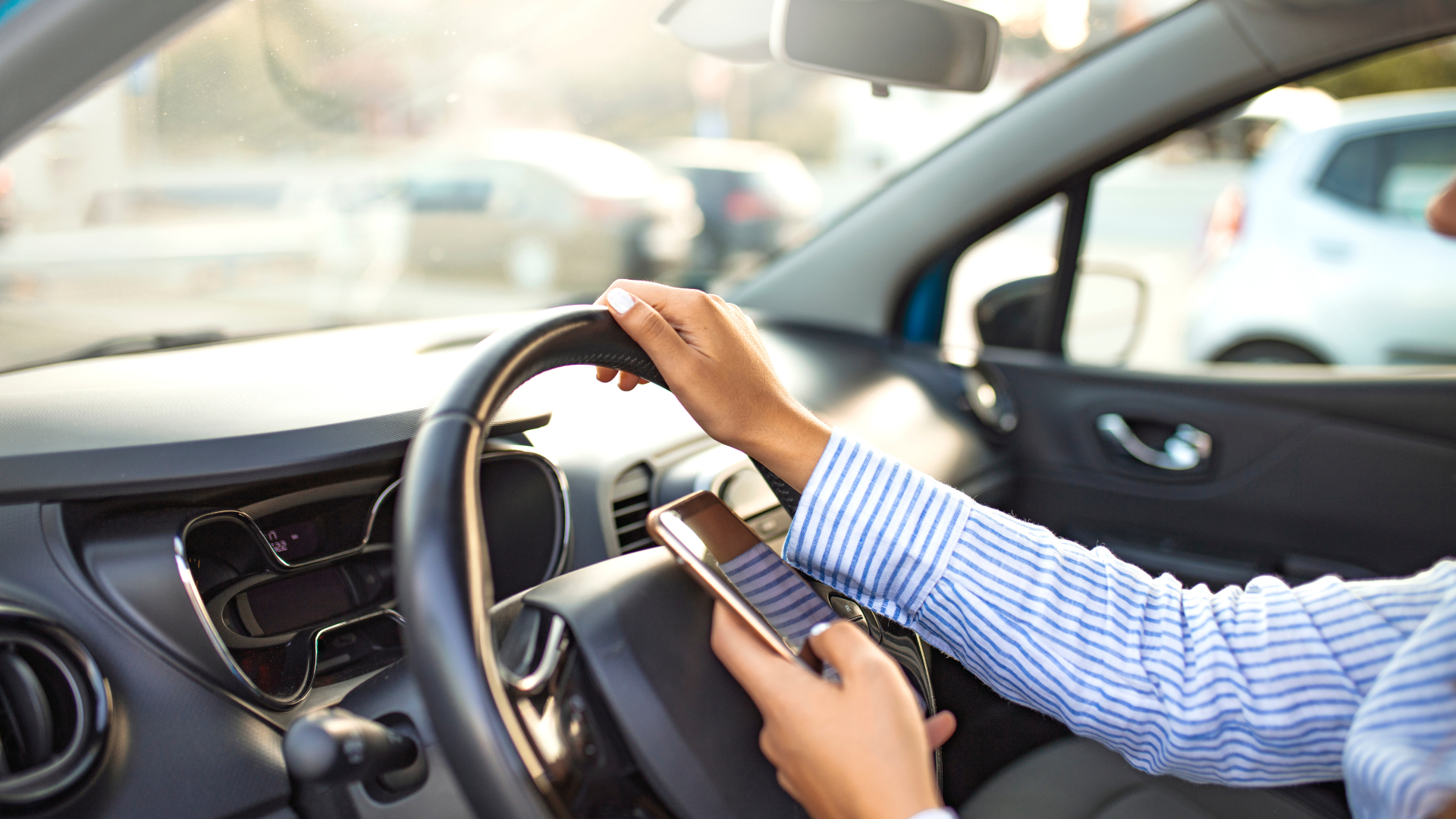
Distracted driving remains one of the leading causes of pedestrian accidents, especially in busy areas of West Houston. Drivers who focus on their phones, navigation systems, or other distractions may fail to notice pedestrians in time. This lack of attention increases the likelihood of serious collisions. When drivers panic after a crash, they may flee the scene instead of taking responsibility.
Additionally, distractions reduce reaction time and impair decision-making. Even a brief moment of inattention can lead to severe consequences. This behavior demonstrates clear negligence and often plays a key role in these cases. Addressing this issue remains critical for improving road safety.
Impaired Driving and Reckless Behavior
Drivers under the influence of alcohol or drugs often make poor decisions that lead to pedestrian accidents. Impairment affects judgment, coordination, and reaction time, which increases the risk of collisions. In many cases, impaired drivers leave the scene to avoid legal consequences. This behavior further complicates the situation for victims.
Reckless driving, including speeding and ignoring traffic signals, also contributes to these crashes. Drivers who act aggressively or disregard safety rules create dangerous conditions for pedestrians. These actions often result in severe injuries or fatalities. Identifying these behaviors helps establish fault in a claim.
Poor Visibility and Environmental Factors
Low visibility conditions, such as nighttime driving or poor lighting, can increase the risk of pedestrian accidents. Drivers may struggle to see pedestrians clearly, especially in areas with limited street lighting. However, drivers still have a responsibility to operate their vehicles safely under all conditions. Failing to adjust for visibility demonstrates negligence.
Weather conditions such as rain or fog can also reduce visibility and road traction. Drivers who do not adapt their behavior to these conditions increase the likelihood of accidents. These factors often play a role in pedestrian crashes and must be considered during investigations. Understanding these conditions helps build a more complete case.

Who Can Be Held Liable in a West Houston Pedestrian Hit-and-Run Case
Determining liability in a West Houston pedestrian hit-and-run case often involves more than identifying the driver who fled the scene. While the driver is typically the primary responsible party, other individuals or entities may also share liability depending on the circumstances. A thorough investigation helps uncover all potential sources of responsibility and ensures that no critical details are overlooked. This approach increases the chances of recovering full compensation and holding all negligent parties accountable.
In addition, liability may extend to parties who contributed to the conditions that caused or worsened the accident. These cases require careful analysis of all factors involved, including vehicle ownership, employment relationships, and roadway conditions. Identifying all responsible parties strengthens the overall claim and provides more opportunities for financial recovery. This process ensures that victims and families pursue compensation from every available source while building a more comprehensive legal strategy.
The Driver and Vehicle Owner
The driver who caused the crash remains the most direct source of liability in a hit-and-run case, especially when their actions clearly demonstrate negligence. Once identified, the driver can be held responsible for damages such as medical expenses, lost income, and pain and suffering. However, liability does not always stop with the driver, as the vehicle owner may also share responsibility in certain situations. This often applies when the owner knowingly allowed an unfit, unlicensed, or reckless driver to operate their vehicle.
Additionally, determining ownership can open additional avenues for compensation that might not be immediately obvious. Insurance policies tied to the vehicle may still apply even if the driver fled the scene after the crash. This connection becomes especially important when the driver lacks sufficient coverage or cannot be located right away. Expanding liability to include the vehicle owner increases the likelihood of securing meaningful financial recovery for the victim.
Negligent Entrustment and Owner Responsibility
Vehicle owners have a legal responsibility to ensure that anyone driving their vehicle can do so safely and responsibly. When an owner allows someone with a history of reckless driving, impairment, or lack of experience to use their vehicle, they may be held liable under negligent entrustment. This legal concept recognizes that the owner’s decision contributed to the risk of harm. Establishing this connection can strengthen a claim and provide additional support for compensation.
Employer Liability and Third-Party Responsibility
If the driver was operating a vehicle as part of their job duties, their employer may also be held liable for the accident. This typically applies when the driver acted within the scope of their employment at the time of the crash. Employers have a responsibility to hire qualified drivers, provide proper training, and enforce safety standards. When they fail to meet these obligations, they may share responsibility for the harm caused.
In addition, employer liability can significantly increase the available resources for compensation. Businesses often carry higher insurance coverage, which can help address extensive damages in serious pedestrian cases. Identifying this connection requires a detailed investigation into the driver’s role and responsibilities at the time of the incident. This analysis plays a key role in building a stronger and more effective claim.
Third-Party Liability and Contributing Factors
Third parties may also contribute to a West Houston pedestrian hit-and-run crash under certain circumstances. For example, poor road design, inadequate lighting, or missing traffic signals can create unsafe conditions for pedestrians. Government entities or contractors responsible for maintaining these areas may share liability if negligence played a role. Identifying these factors helps expand the scope of the case and ensures accountability beyond the driver.
Additionally, defective vehicle components or mechanical failures may contribute to the severity of the crash. In these situations, manufacturers or maintenance providers could be held responsible if a defect or failure played a role. Investigating these possibilities requires careful analysis and expert evaluation. This broader approach increases the chances of securing full and fair compensation.
Why Identifying Multiple Liable Parties Matters
Identifying all potentially liable parties strengthens a claim and improves the likelihood of achieving a favorable outcome. Each additional source of liability creates another opportunity for compensation, which can be critical in serious or fatal cases. This comprehensive strategy ensures that victims and families are not limited by a single source of recovery. It also reinforces accountability by addressing all contributing factors involved in the crash.

How Police Investigate a West Houston Pedestrian Hit-and-Run Incident
Law enforcement plays a critical role in investigating a West Houston pedestrian hit-and-run incident and identifying the responsible driver. These investigations often begin immediately after the crash, with officers working to secure the scene and gather time-sensitive evidence. The goal is to reconstruct the sequence of events while preserving as much information as possible before it becomes unavailable. This process requires coordination, attention to detail, and a structured approach to ensure accuracy.
In addition, police rely on a combination of traditional investigative methods and advanced technology to solve these cases. Surveillance footage, vehicle data, and witness accounts all contribute to identifying suspects and narrowing down leads. Each piece of information helps build a clearer understanding of how the crash occurred and who may be responsible. This comprehensive approach improves the likelihood of locating the driver and holding them accountable.
Collecting Evidence and Witness Statements
Officers begin by securing the scene and collecting physical evidence that can help reconstruct the crash. This may include debris from the vehicle, paint fragments, broken parts, and skid marks that indicate speed or direction. Each detail provides valuable insight into how the incident occurred and supports further investigation. Acting quickly ensures that this evidence remains intact and usable.
Additionally, witness statements play a crucial role in providing context that physical evidence alone cannot offer. Witnesses may recall details about the vehicle, the driver’s behavior, or the sequence of events leading up to the crash. These accounts help investigators piece together a more complete picture. Gathering this information early improves accuracy and strengthens the investigation.
Canvassing for Surveillance Footage
Investigators often canvass nearby businesses, traffic cameras, and residential areas to locate surveillance footage related to the crash. Cameras can capture critical details such as the vehicle’s make, model, color, or direction of travel after leaving the scene. This footage becomes especially important when the driver cannot be immediately identified. It provides leads that help move the investigation forward.
Furthermore, timing plays an important role when collecting video evidence. Many systems overwrite footage within a short period, which makes prompt action essential. Investigators work efficiently to obtain and review recordings before they are lost. This effort significantly improves the chances of identifying the suspect.
Identifying Vehicle Details From Evidence
Even small pieces of evidence can help identify the vehicle involved in a hit-and-run crash. Investigators may analyze debris, paint transfers, or damage patterns to determine the type of vehicle. These details can then be matched with registration databases or repair records. This process helps narrow down potential suspects and supports further investigation.
Using Technology to Identify Suspects
Modern technology allows law enforcement to analyze data more efficiently and identify suspects with greater accuracy. Tools such as license plate recognition systems, traffic camera networks, and digital databases provide valuable information. These resources help investigators track vehicle movements and connect evidence across multiple locations. This technology-driven approach increases the speed and effectiveness of the investigation.
In addition, digital forensics can play a role in analyzing data from nearby devices or systems. Investigators may use available data to establish timelines and confirm the sequence of events. This information supports other evidence and strengthens the overall case. Combining technology with traditional methods creates a more comprehensive investigative process.
Cross-Referencing Data and Building Leads
Investigators cross-reference collected information with vehicle registrations, prior reports, and known patterns to identify potential suspects. This process helps narrow down possibilities and focus efforts on the most likely candidates. Each lead is carefully evaluated and verified to ensure accuracy. This methodical approach improves the chances of locating the responsible driver.
Monitoring Repair Shops and Vehicle Activity
In some cases, investigators monitor local repair shops for vehicles that match the damage associated with the crash. Drivers involved in hit-and-run incidents often seek repairs to conceal evidence. Identifying these vehicles can provide critical leads in the investigation. This strategy adds another layer of analysis to the process.
Coordinating With Other Agencies
Law enforcement agencies often collaborate with other departments and jurisdictions to expand the scope of the investigation. This coordination allows for information sharing and access to additional resources that may not be available locally. Working together improves efficiency and increases the chances of locating the suspect. This collaborative effort strengthens the overall investigation.
Additionally, coordination with state and regional databases helps track vehicles across different areas. Investigators can follow leads that extend beyond the immediate location of the crash. This broader reach ensures that potential evidence is not overlooked. It also supports a more thorough and effective investigative process.
Supporting a Strong Case for Accountability
The goal of the investigation extends beyond identifying the driver, as law enforcement must also build a strong case for accountability. Evidence must be carefully documented and preserved to support potential charges. Each step in the process contributes to establishing responsibility and ensuring that justice is served. This thorough approach plays a critical role in achieving a successful outcome.
Working With Prosecutors to Pursue Charges
Once a suspect is identified, investigators work closely with prosecutors to present evidence and pursue appropriate charges. This collaboration ensures that the case is handled effectively within the legal system. Strong evidence and detailed documentation improve the likelihood of a successful prosecution. This final step helps bring accountability and closure to those affected by the crash.
How Houston Pedestrian Accident Attorneys Respond After a Hit-and-Run
After a hit-and-run pedestrian crash, attorneys act quickly to protect the victim’s rights and begin building a strong case. These incidents often involve limited initial information, which makes early investigation critical to identifying the responsible party. Attorneys focus on preserving evidence, coordinating with law enforcement, and ensuring that no important details are lost. This proactive approach helps strengthen the case and improves the chances of securing fair compensation.
In addition, attorneys guide victims and their families through the legal process while addressing immediate concerns such as medical bills and insurance claims. They work to reduce stress by handling communication, documentation, and negotiations on behalf of the client. This support allows victims to focus on recovery while their legal team manages the complexities of the case. As the investigation progresses, attorneys continue to refine their strategy to achieve the best possible outcome.
Investigating the Scene and Gathering Evidence
Attorneys begin by conducting a thorough investigation of the crash scene to collect all available evidence. This process may include reviewing police reports, examining surveillance footage, and identifying potential witnesses. Each piece of evidence plays a critical role in reconstructing what happened and determining liability. Acting quickly ensures that valuable information is preserved before it becomes unavailable.
Additionally, attorneys often collaborate with accident reconstruction experts to analyze the details of the crash. These experts can provide insights into vehicle speed, impact points, and other key factors. This level of analysis strengthens the overall case and supports claims for compensation. A detailed investigation lays the foundation for a successful legal strategy.
Identifying the At-Fault Driver
When a driver flees the scene, identifying the responsible party becomes a top priority for attorneys. They work closely with law enforcement and use available evidence to track down the individual involved. This may include reviewing traffic cameras, gathering witness statements, and analyzing vehicle descriptions. These efforts increase the likelihood of locating the driver and holding them accountable.
Handling Insurance Claims and Legal Strategy
Attorneys also manage all aspects of insurance claims to ensure that victims receive fair treatment throughout the process. Insurance companies often attempt to limit payouts or deny claims, especially in complex hit-and-run cases. Attorneys advocate for their clients by presenting strong evidence and negotiating effectively. This approach helps protect the victim’s financial interests.
Furthermore, attorneys develop a comprehensive legal strategy that addresses both immediate and long-term needs. They evaluate damages such as medical expenses, lost income, and future care requirements. By considering the full impact of the crash, attorneys can pursue compensation that reflects the true extent of the victim’s losses. This strategic planning supports a more favorable outcome.
Pursuing Compensation Through All Available Channels
In hit-and-run cases, attorneys may explore multiple avenues for compensation depending on the circumstances. This can include uninsured motorist coverage, third-party liability, or other applicable claims. By evaluating all options, attorneys increase the chances of recovering damages for the victim. This comprehensive approach ensures that no potential source of compensation is overlooked.
Contact an Experienced Houston Pedestrian Crash Lawyer Today
Taking the right steps after a serious pedestrian crash can significantly impact the strength and outcome of your case. At Lassiter Law, we provide personalized guidance, strategic legal support, and dedicated representation tailored to your specific circumstances. We take the time to thoroughly understand the details of your situation, explain your legal options clearly, and build a strategy designed to protect your rights and maximize your recovery. Our team remains committed to supporting you through every stage of the legal process so you can focus on recovery while we handle the complexities of your case.
Moving forward after a hit-and-run crash can feel overwhelming, especially when you are dealing with injuries, financial stress, and uncertainty about what comes next. Our team at Lassiter Law works diligently to investigate your case, communicate with insurance companies, and pursue the compensation you deserve for your losses. We prioritize clear communication and consistent updates so you always know where your case stands. Call Lassiter Law today at (832) 937-4381 or fill out our online contact form to schedule a consultation and learn how we can help you take the next step toward justice and financial recovery.